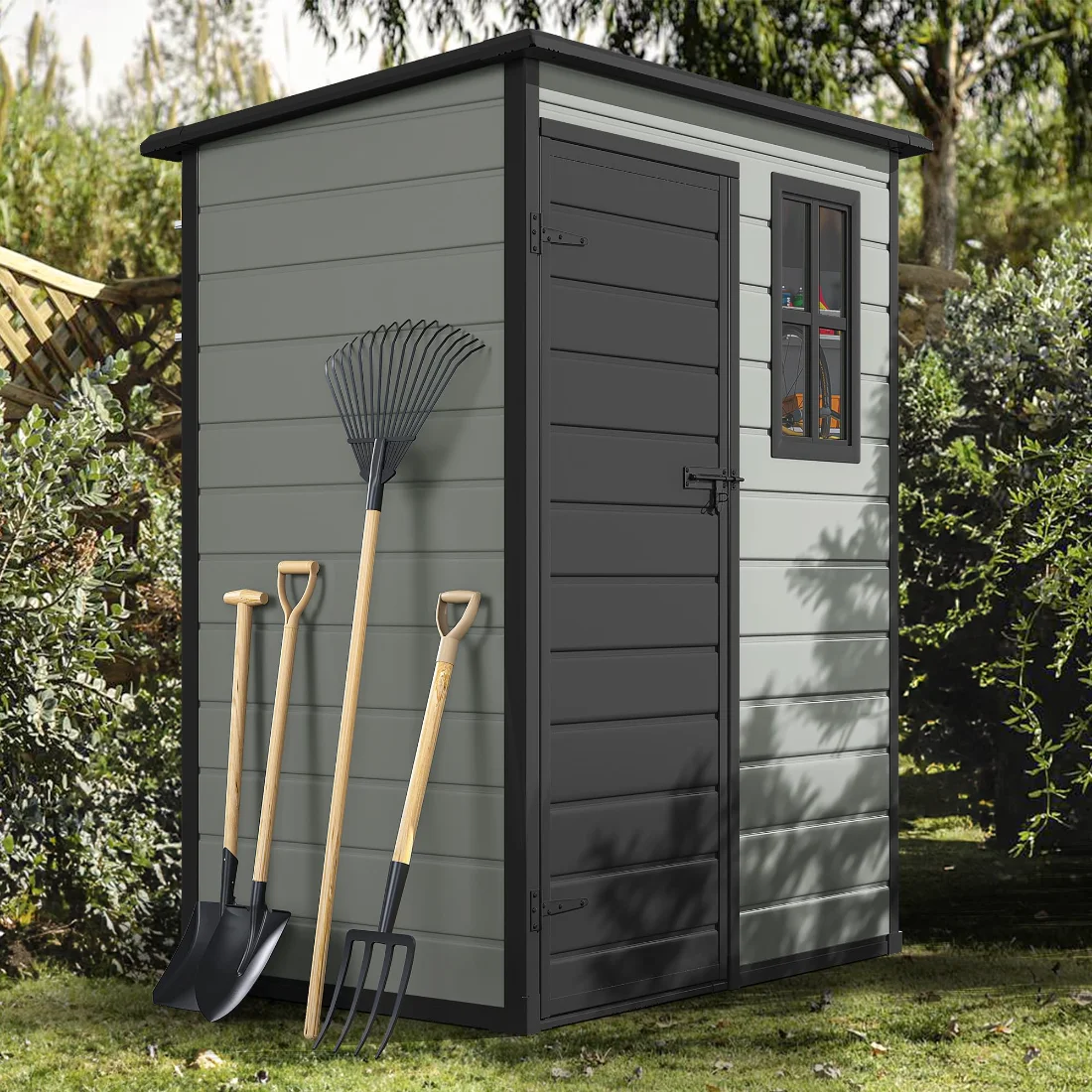
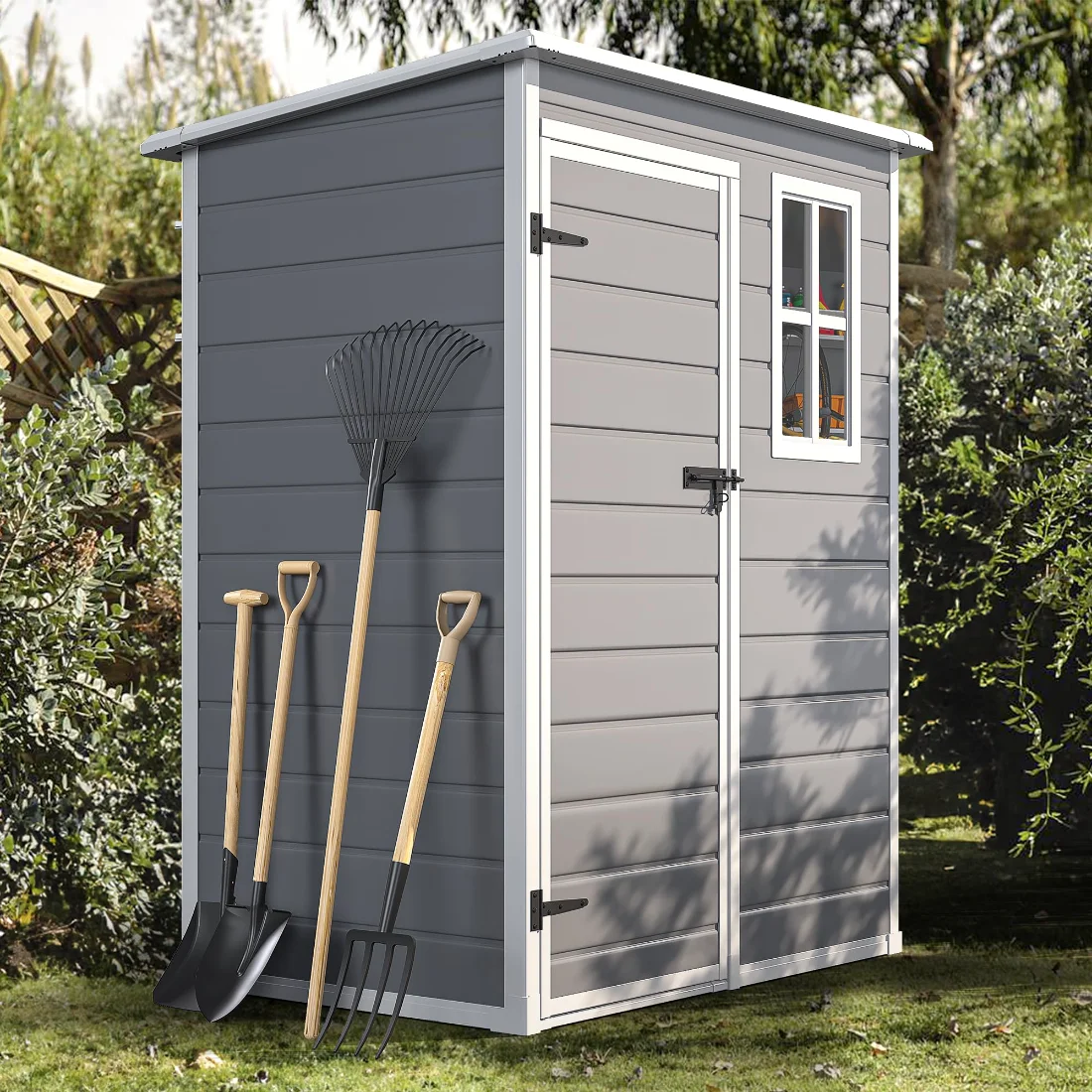
Resin Storage Shed 5x3 ft, Blue-Gray
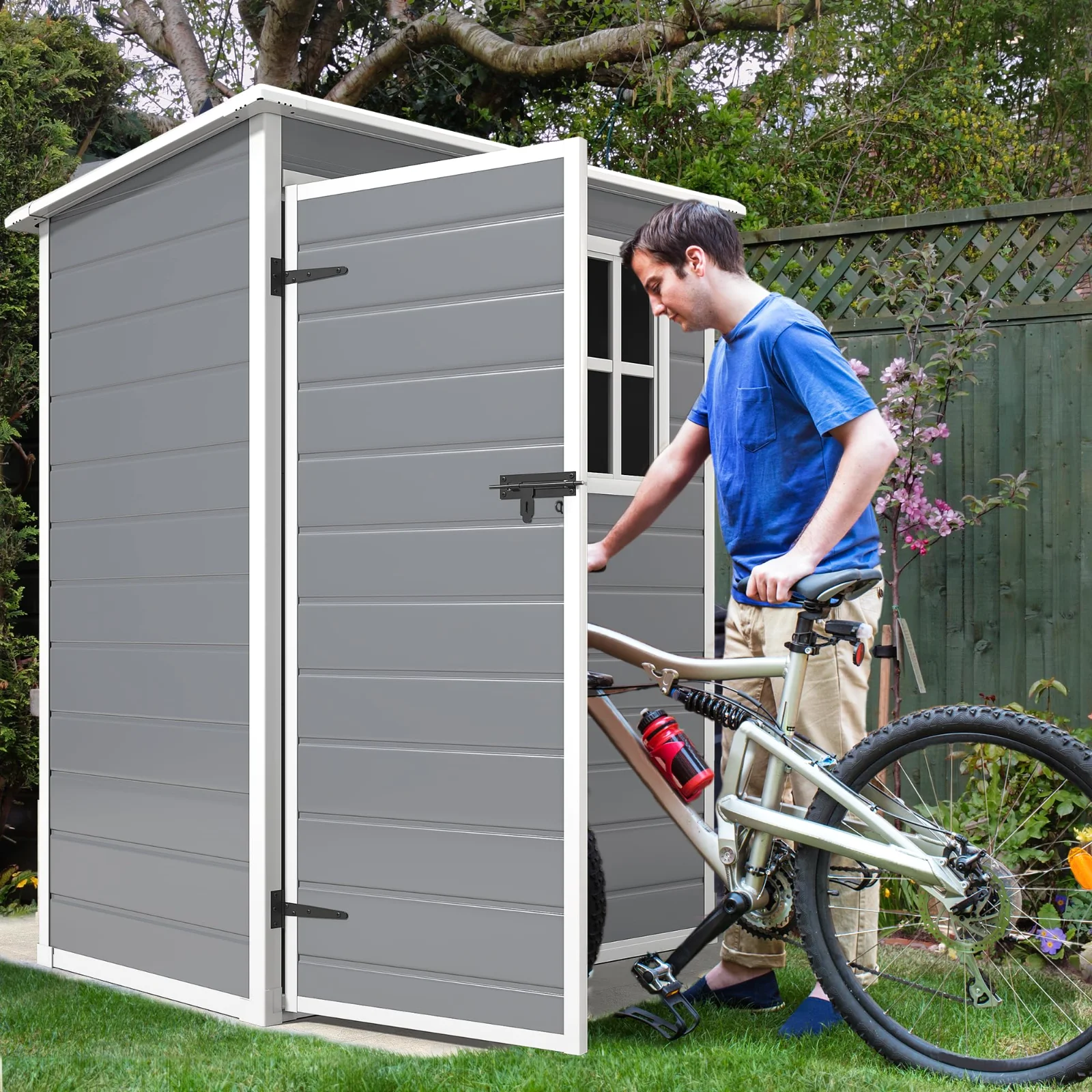
5x3 feet of lockable, weather-sealed floor space for mowers, bikes and bagged soil, with the door swing that fits a wheelbarrow.
5 × 3 ft
$259.983.1(195)

From the back fence to the driveway
Storage sheds that hold a season, deck boxes that swallow the cushions, hardtop gazebos that stay out through winter, garden beds at working height, rolling coolers, honest furniture for the house, and cooling parts for the truck in the driveway. The whole DWVO lot is on this one page, and every card buys in one click.
Zone 01
Resin or galvanized steel, walk-in or against-the-wall: every shed here locks, sheds rain by design, and anchors down so the first storm is not a test. DWVO sizes them by what actually goes inside, from two bikes to a riding mower.
The one most yards pick
5x3 feet of lockable, weather-sealed floor space for mowers, bikes and bagged soil, with the door swing that fits a wheelbarrow.
5x3 feet of lockable, weather-sealed floor space for mowers, bikes and bagged soil, with the door swing that fits a wheelbarrow.
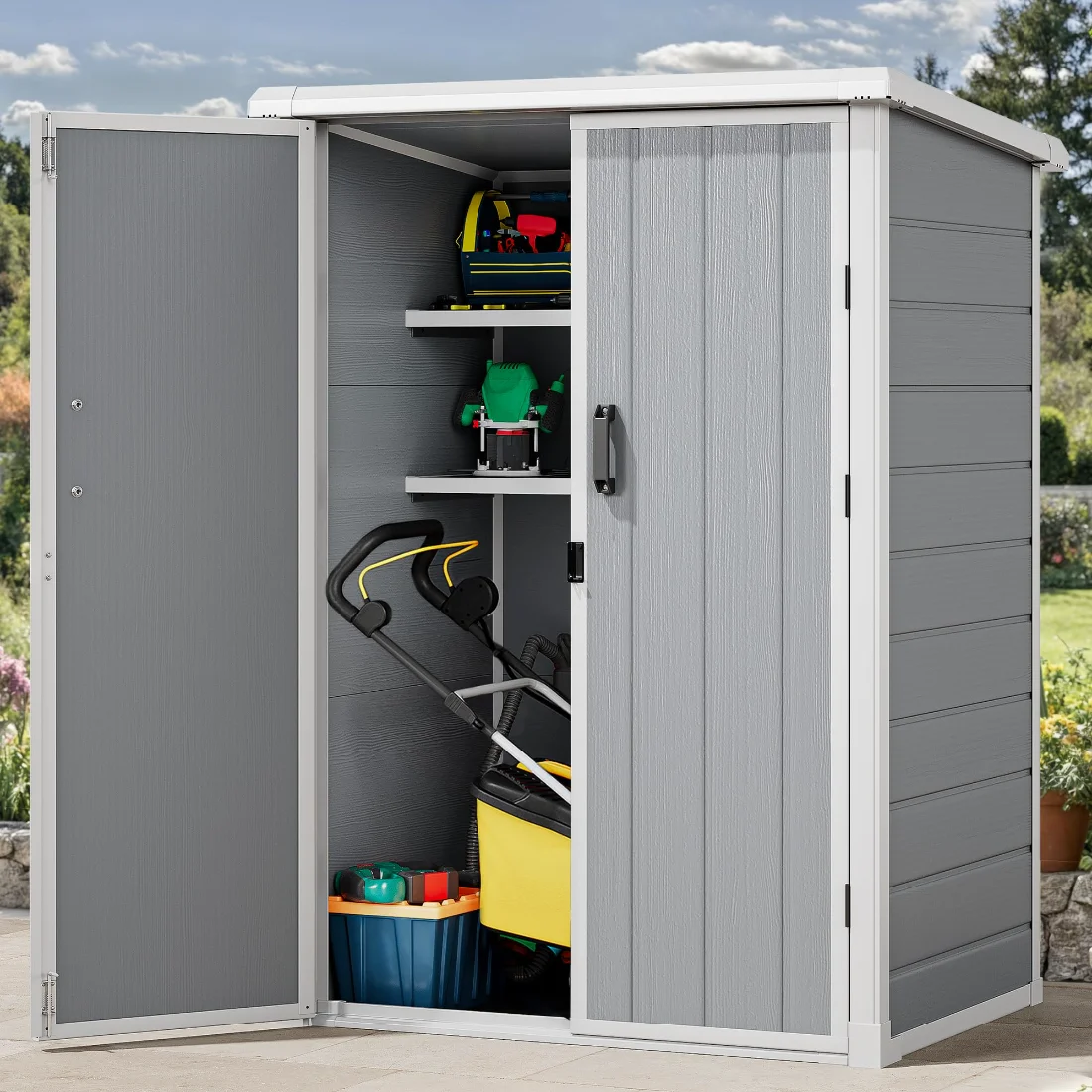
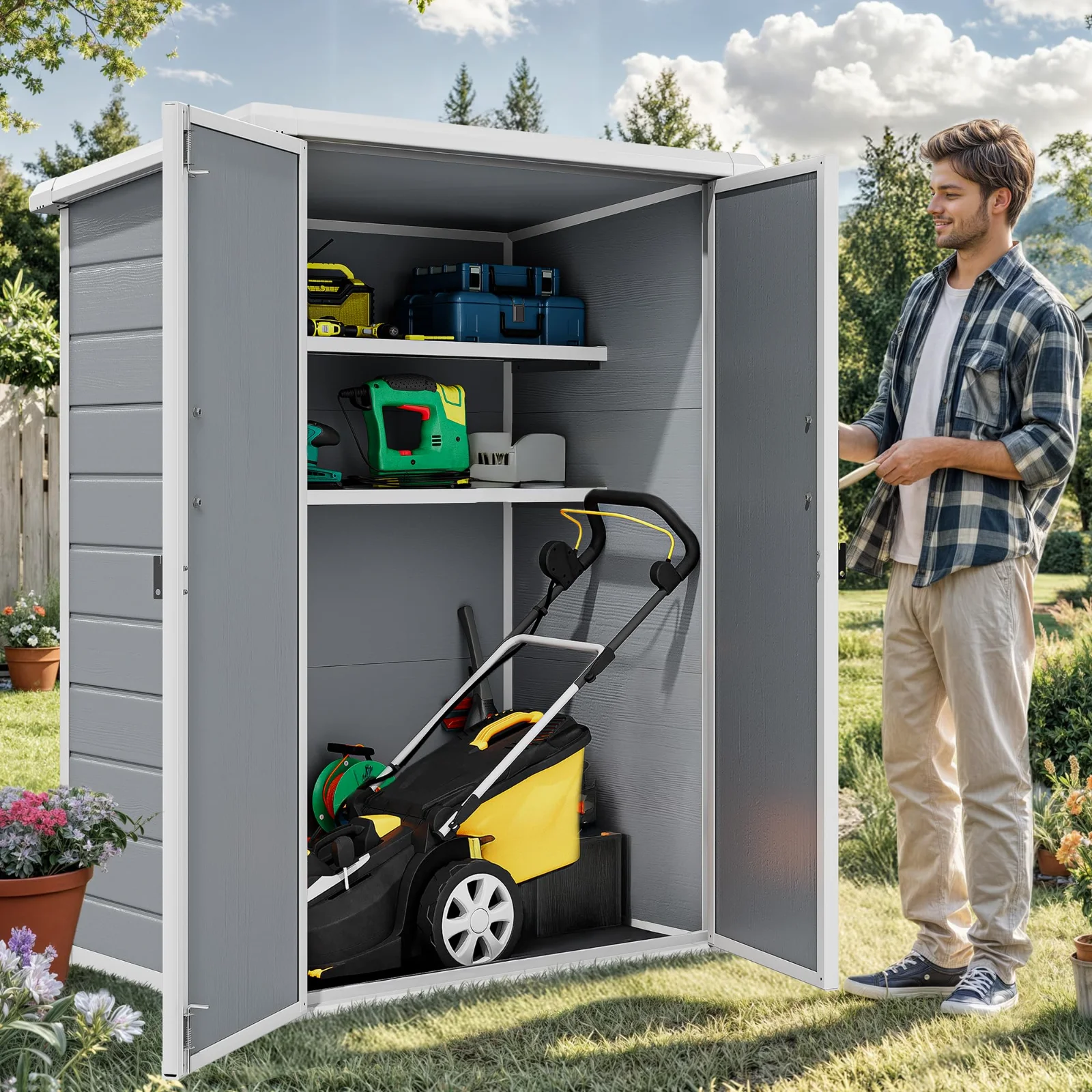
A walk-in roof for the tools that used to winter in the garage: 5x3 feet, framed to be anchored and forgotten.
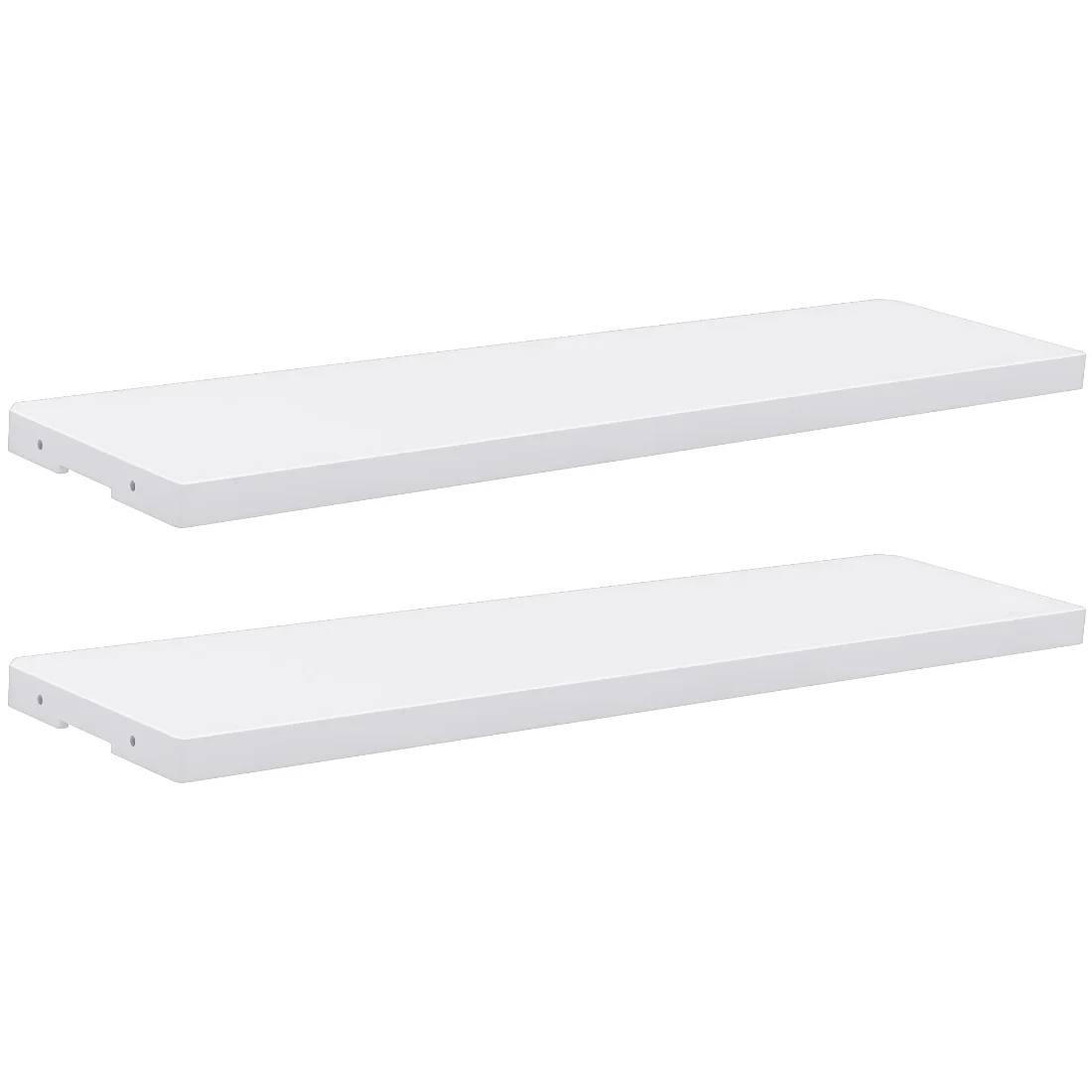
The add-in shelves for our horizontal sheds: two levels of dry storage claimed back from the floor.
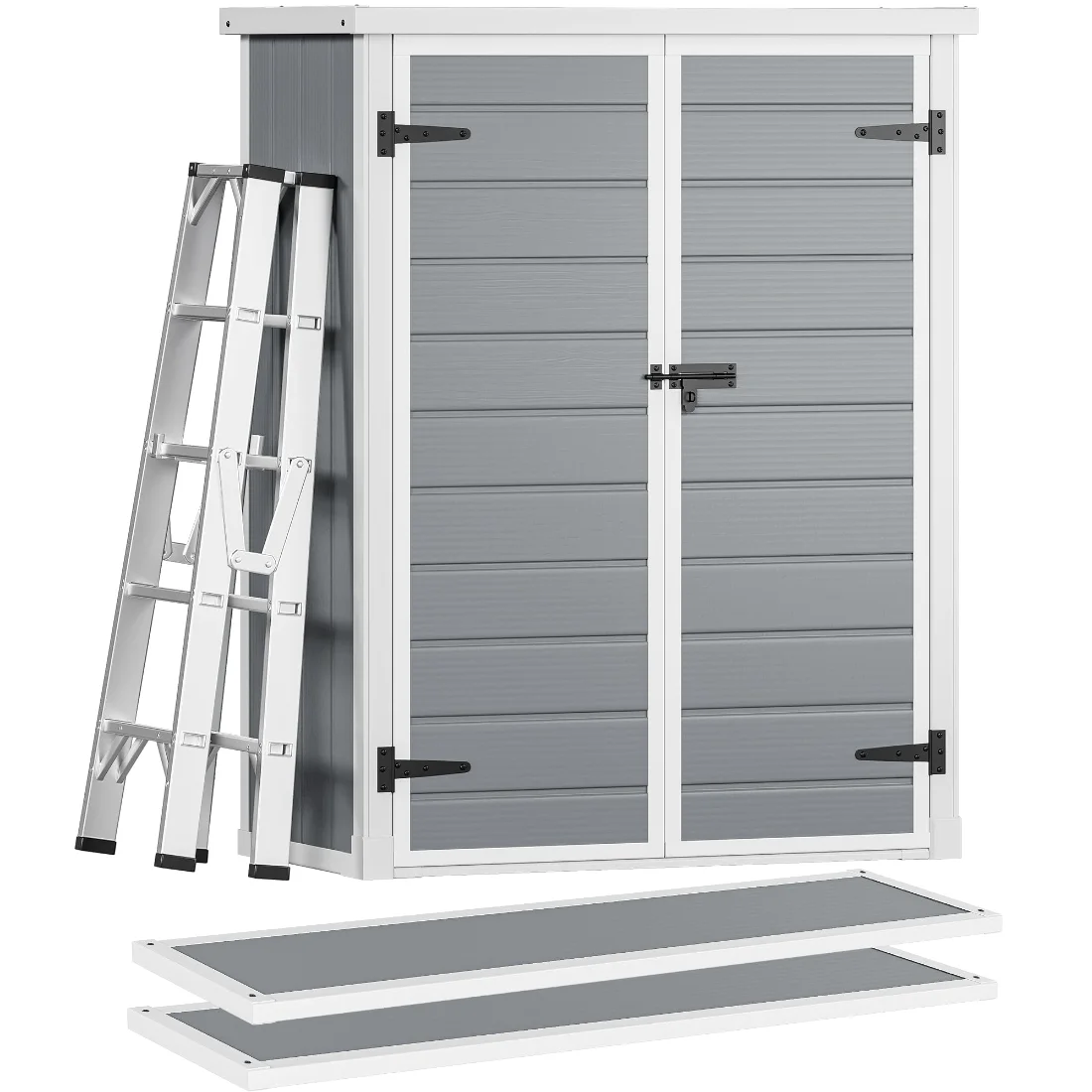
The quiet fix for a crowded garage: 4.3x2 feet of shelved, dry, padlock-ready storage by the fence.
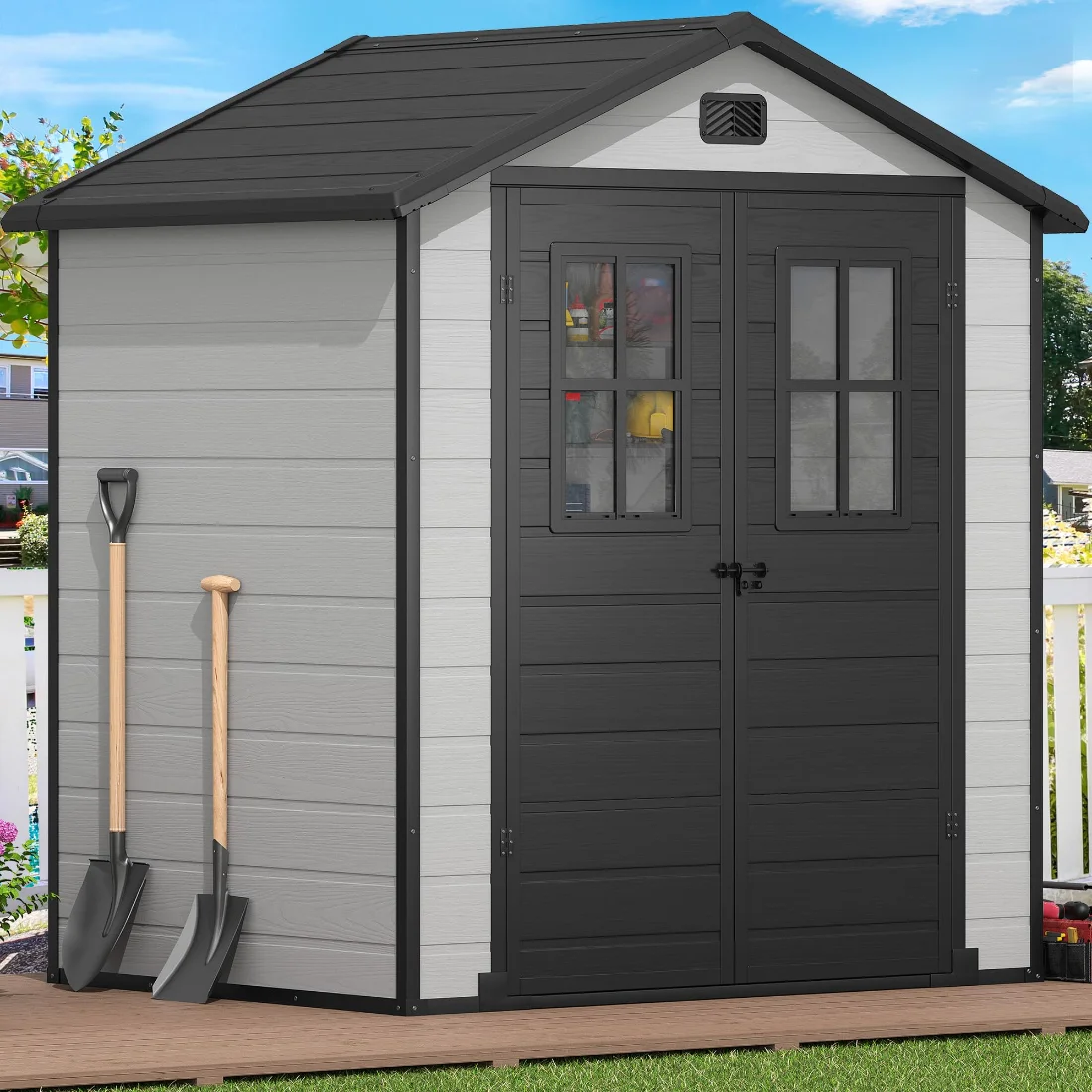
6x4.4 feet of lockable, weather-sealed floor space for mowers, bikes and bagged soil, with the door swing that fits a wheelbarrow.
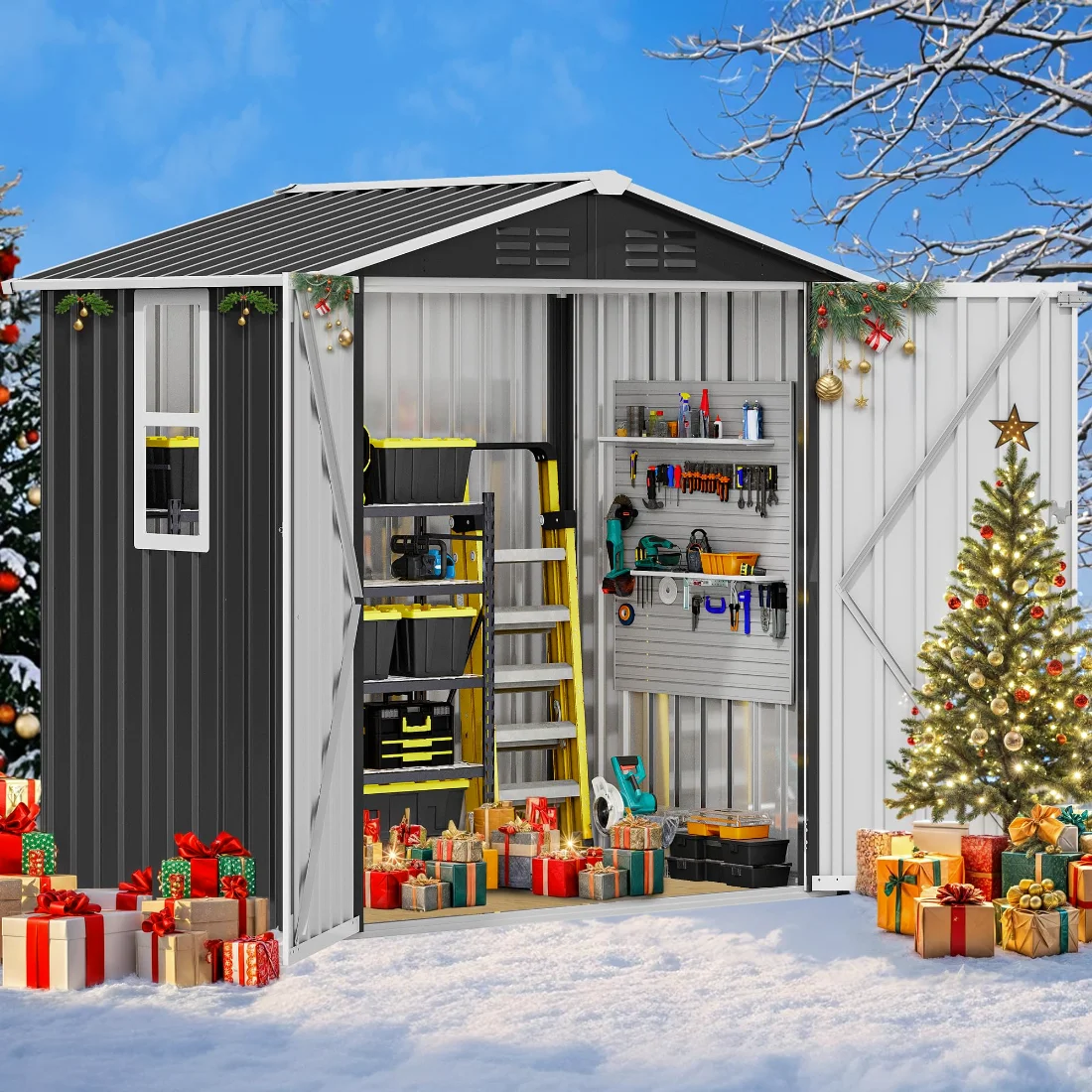
A walk-in roof for the tools that used to winter in the garage: 6x4 feet, framed to be anchored and forgotten.
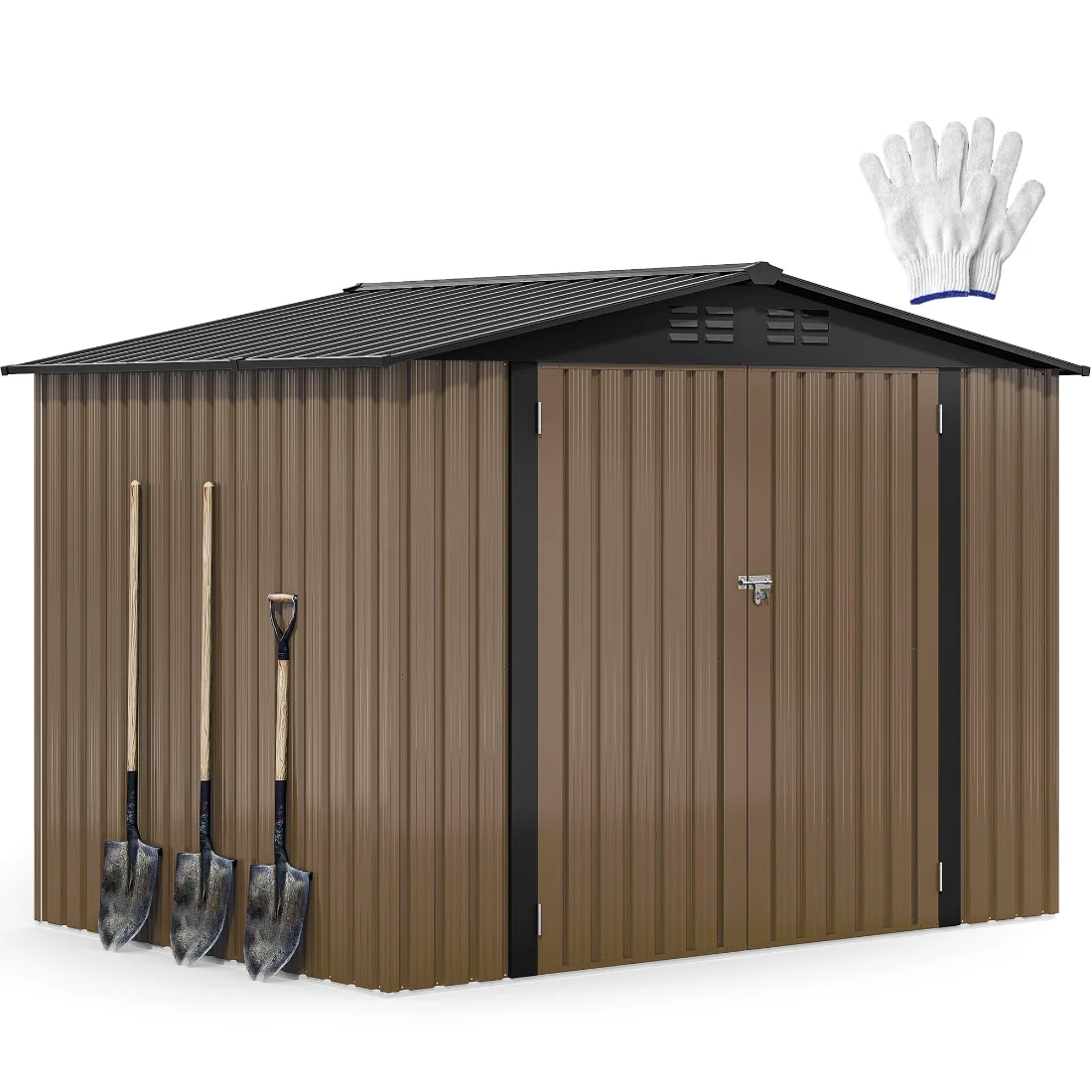
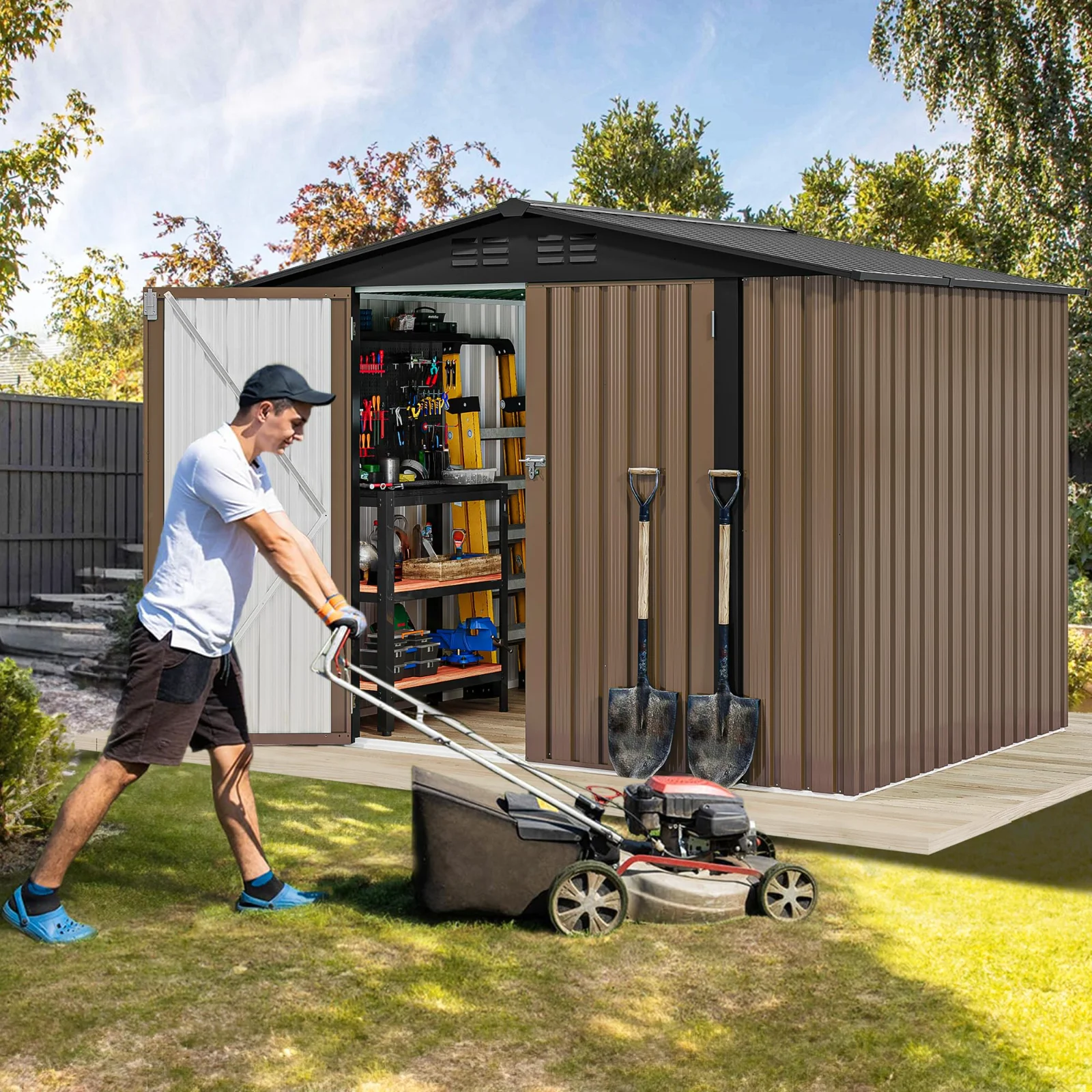
Sloped roof, vents and a lockable latch: the season's gear goes in, 8x6 feet at a time, and the rain stays out.
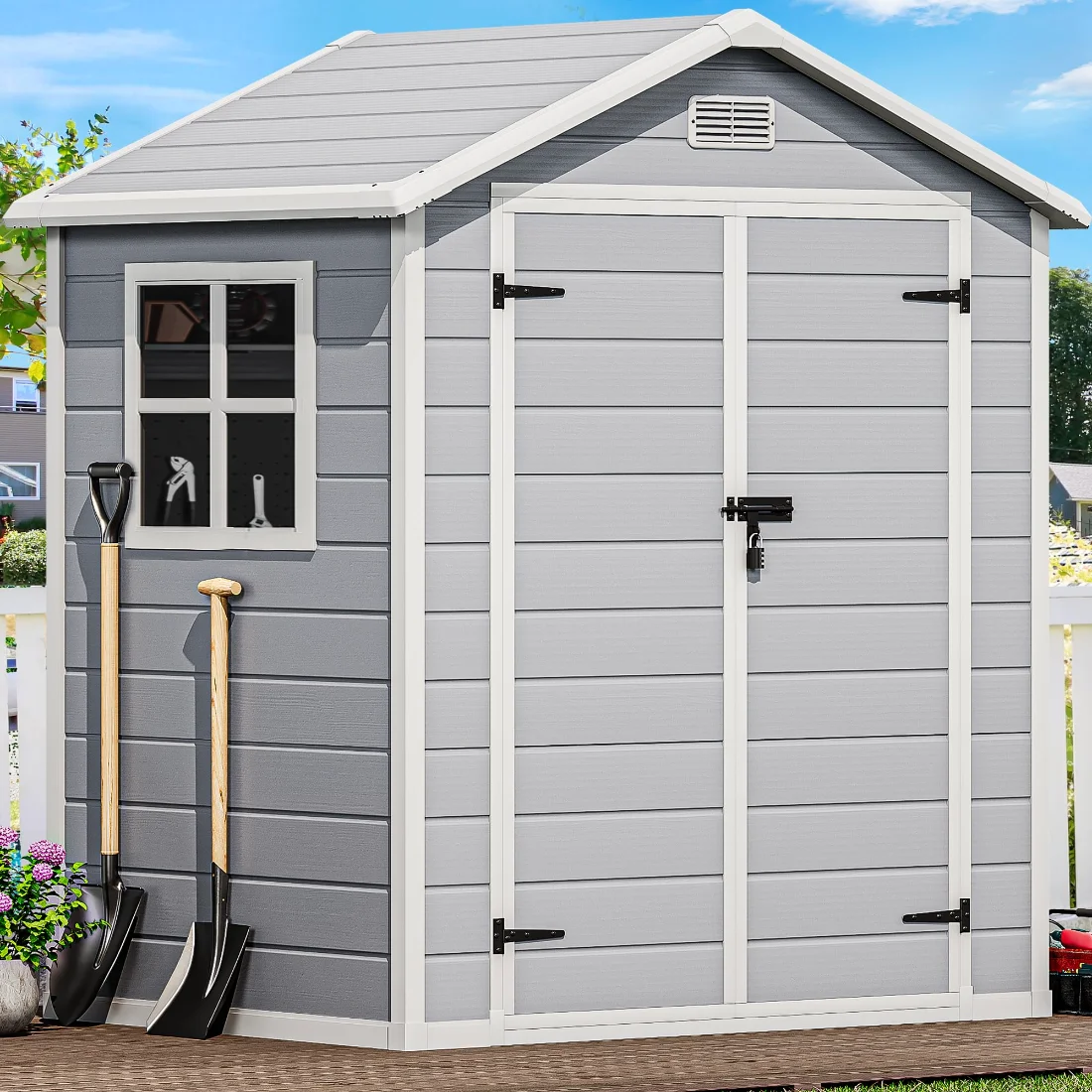
The quiet fix for a crowded garage: 6x4.4 feet of shelved, dry, padlock-ready storage by the fence.
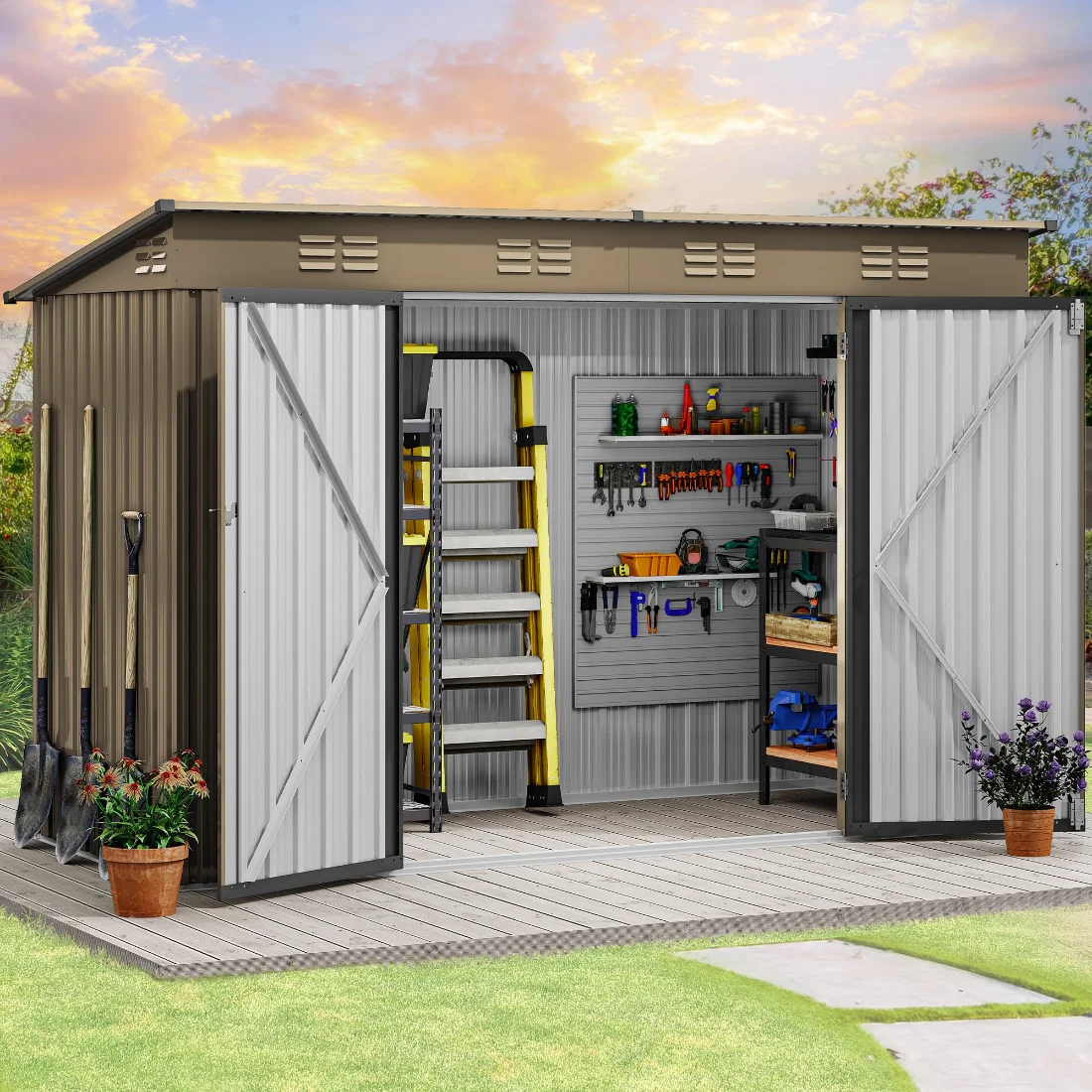
9x4 feet of lockable, weather-sealed floor space for mowers, bikes and bagged soil, with the door swing that fits a wheelbarrow.
Zone 02
The cushions, the hose, the pool floats and the bag of charcoal all want the same thing: a lid that locks and sheds rain. Our deck boxes run from door-side to driveway-scale; pick by the gallon line under each card.
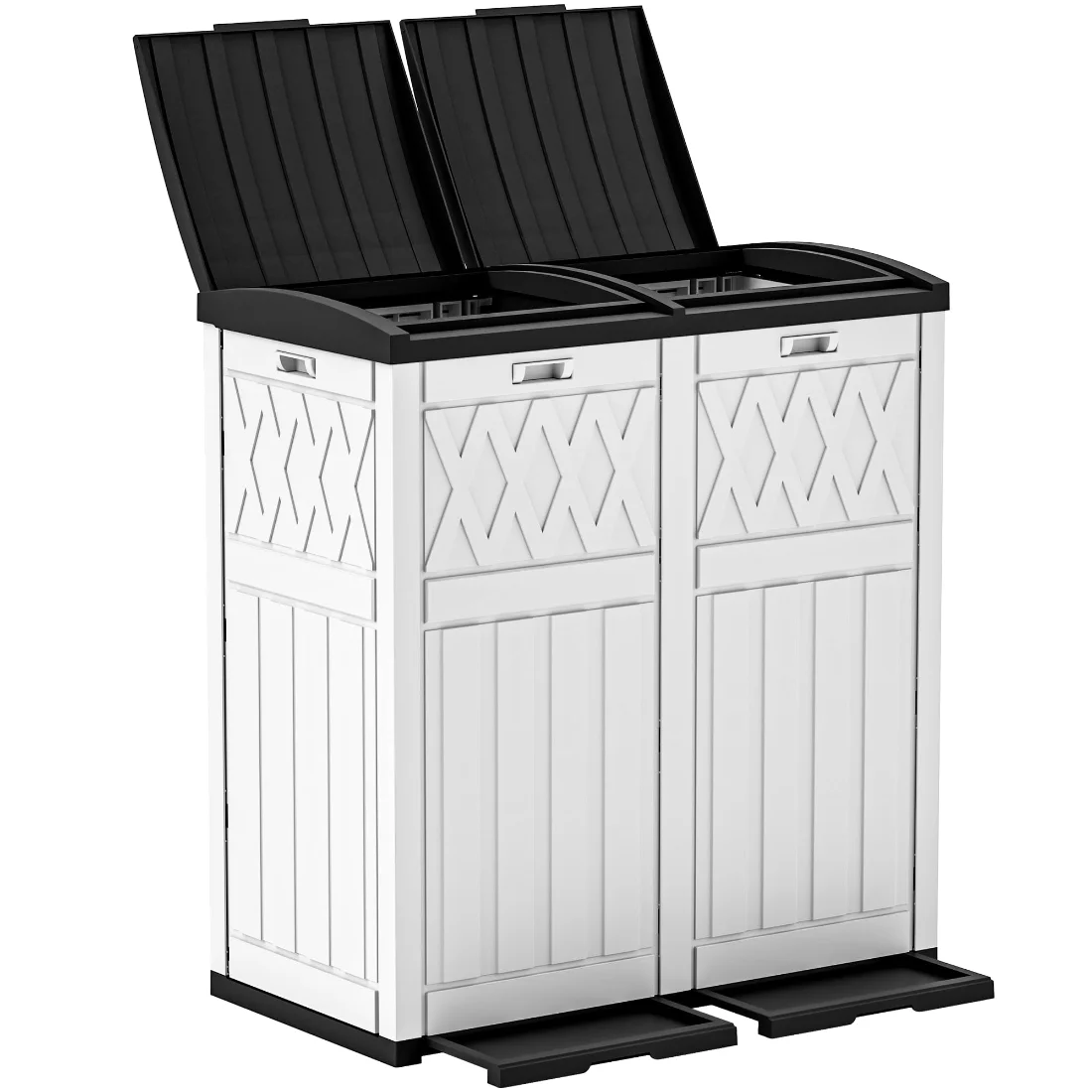
72 GAL
72 gallons of resin-walled, critter-resistant capacity with a tiered lid that opens with one hand.
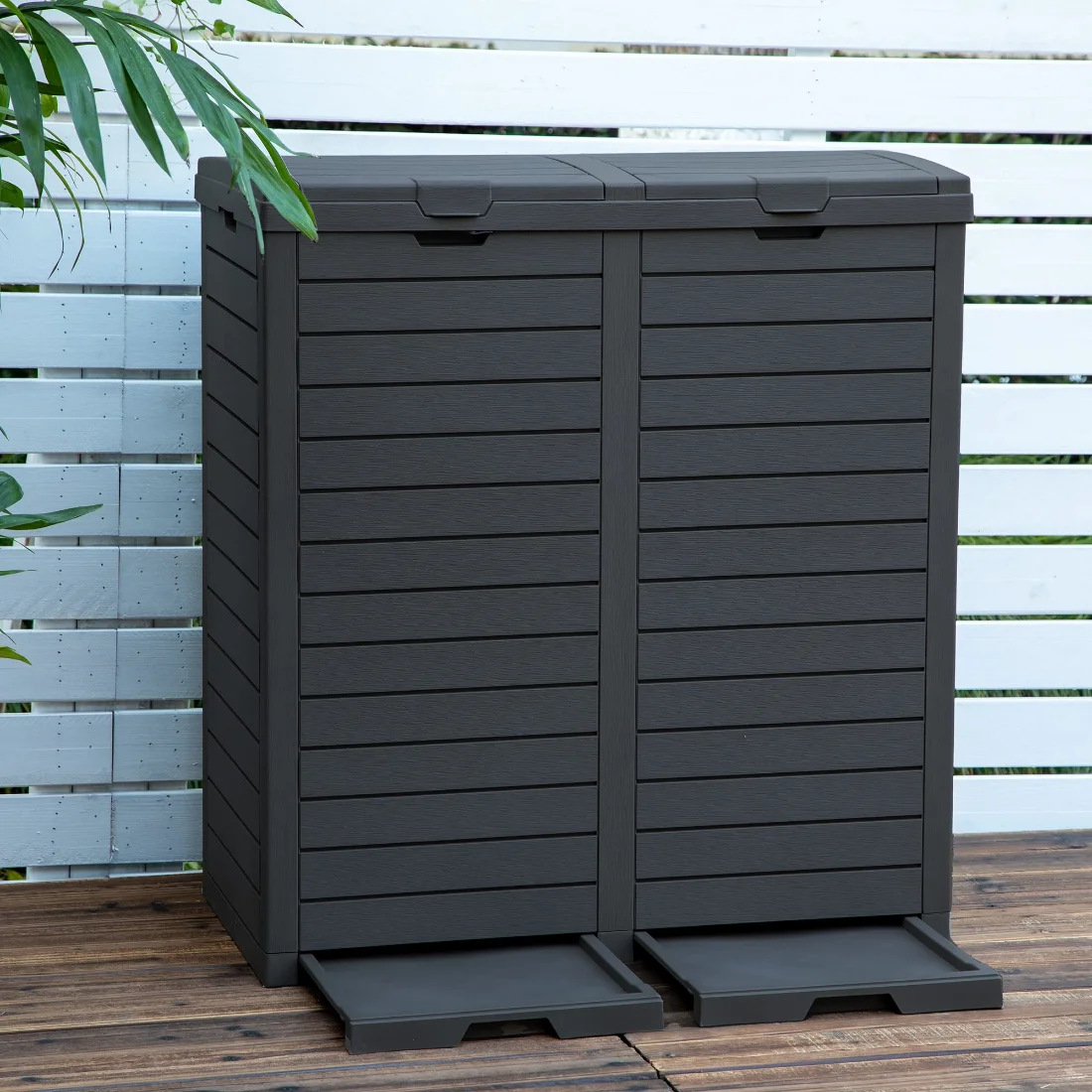
76 GAL
The bin that stays outside without apology: 76 gallons, a drip tray below and a lid that sheds rain.
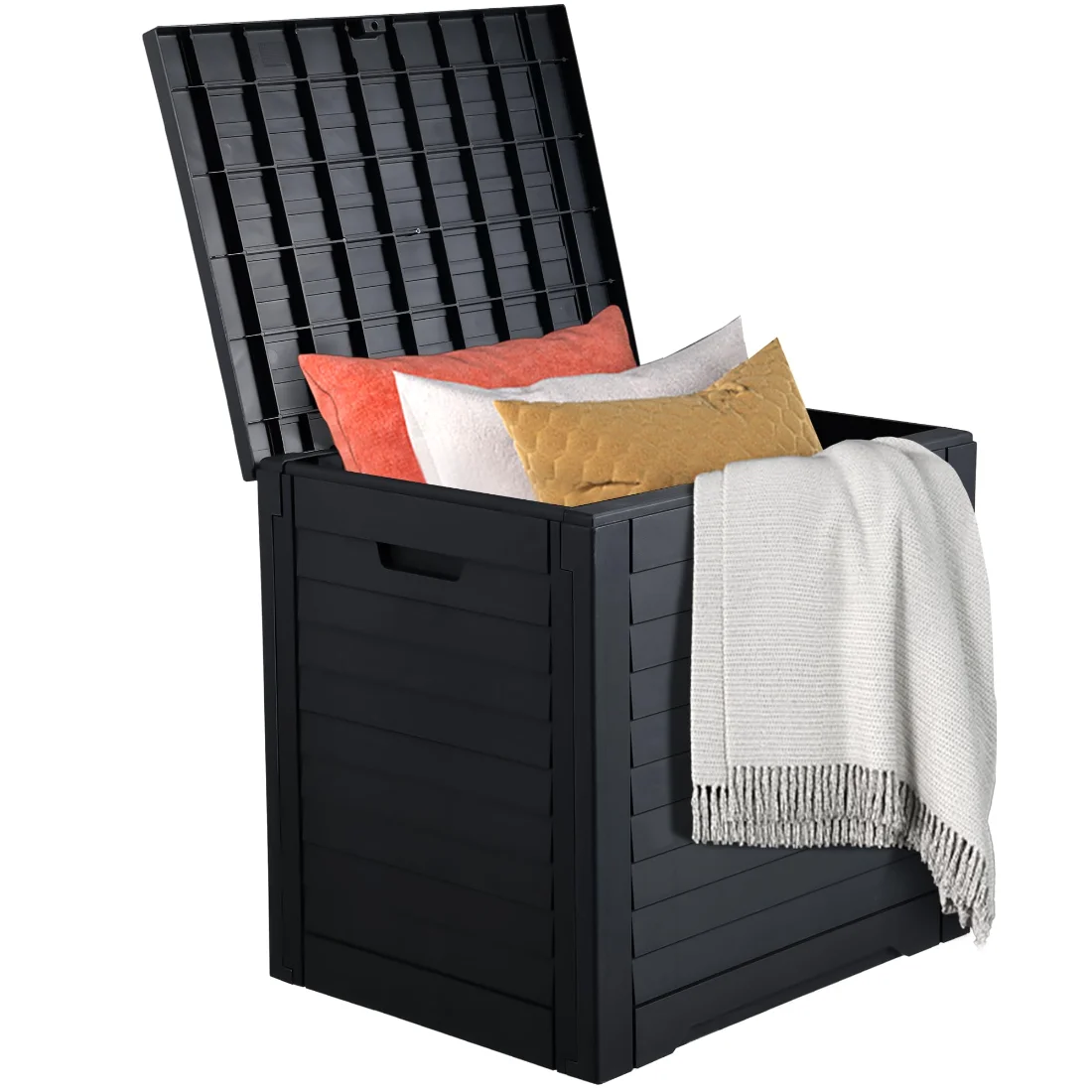
35 GAL
35-gallon resin body, tiered lid, padlock loop: garden clutter gets one address and keeps it.
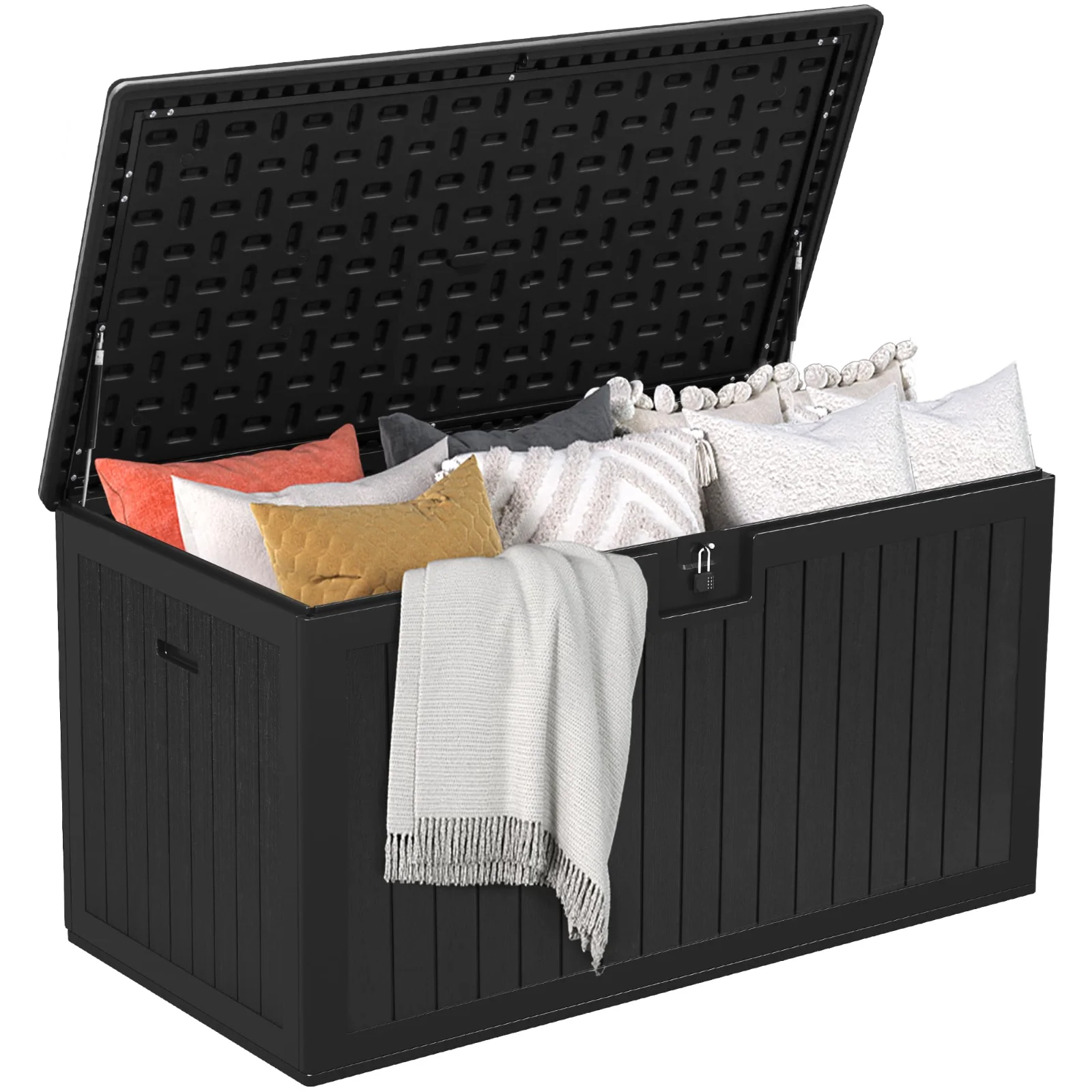
180 GAL
Built for the space between grill and railing: 180 gallons, waterproof, latching and sit-on strong.
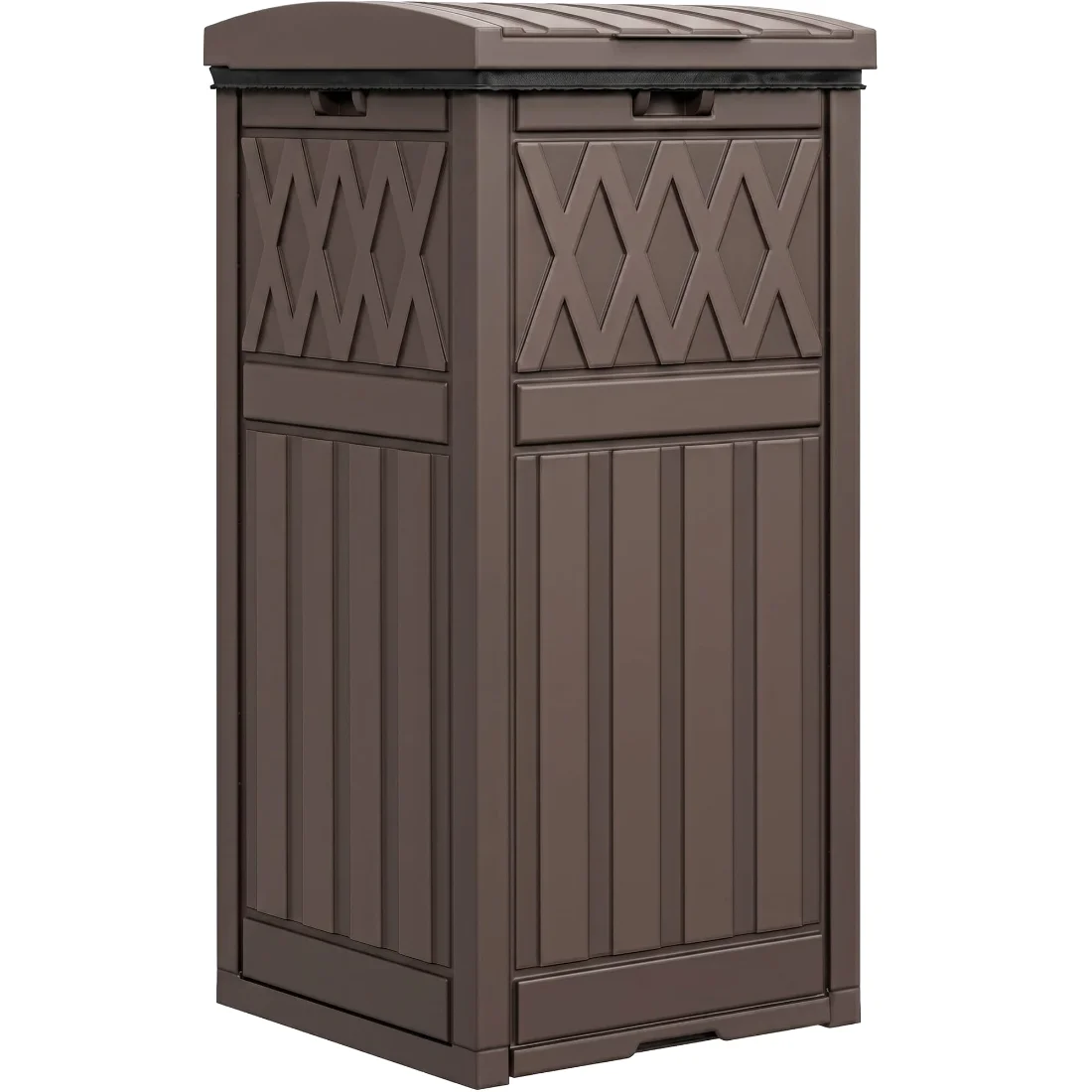
38 GAL
The bin that stays outside without apology: 38 gallons, a drip tray below and a lid that sheds rain.
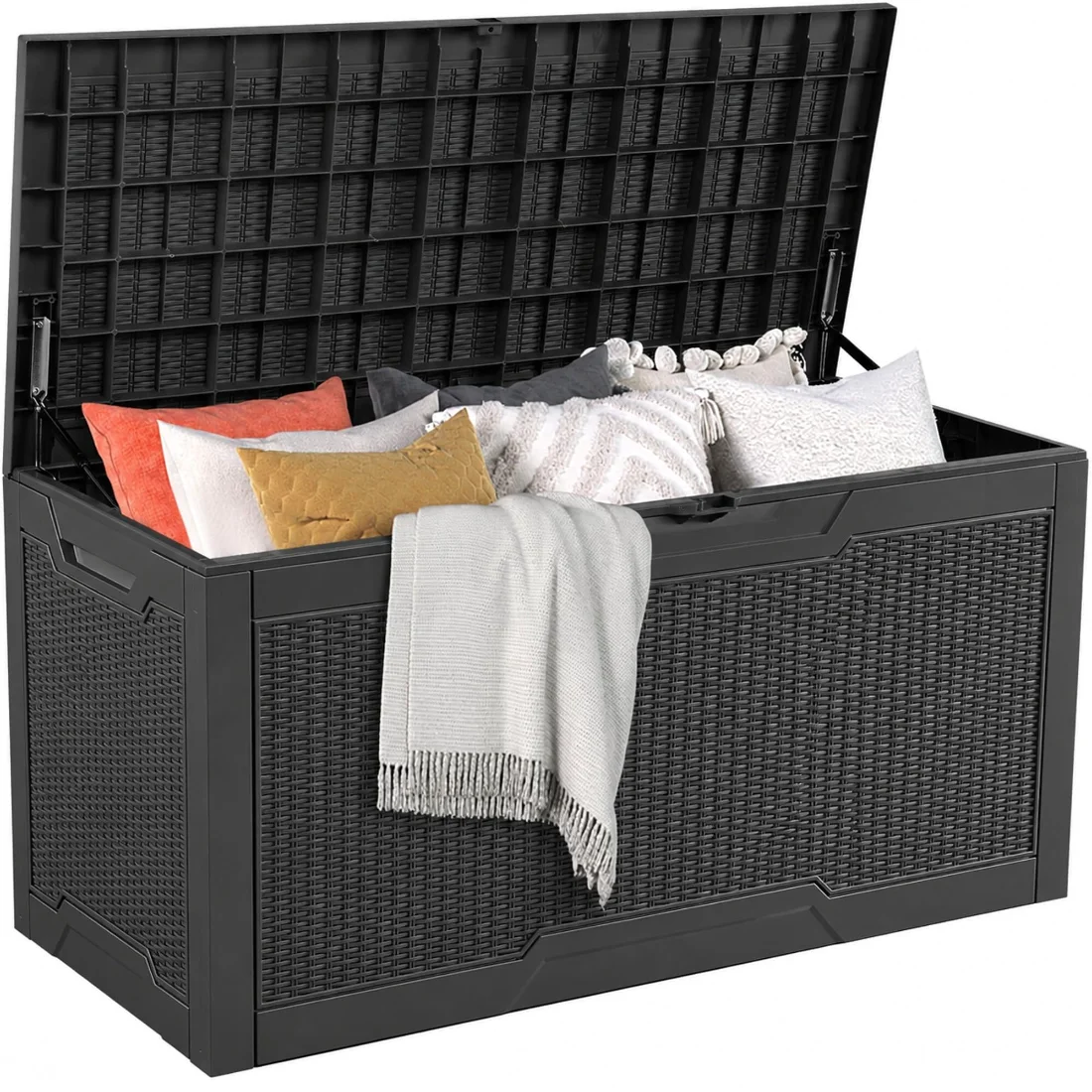
100 GAL
The deck stays clear: 100 gallons of double-wall resin storage that shrugs off rain and sun by the back door.
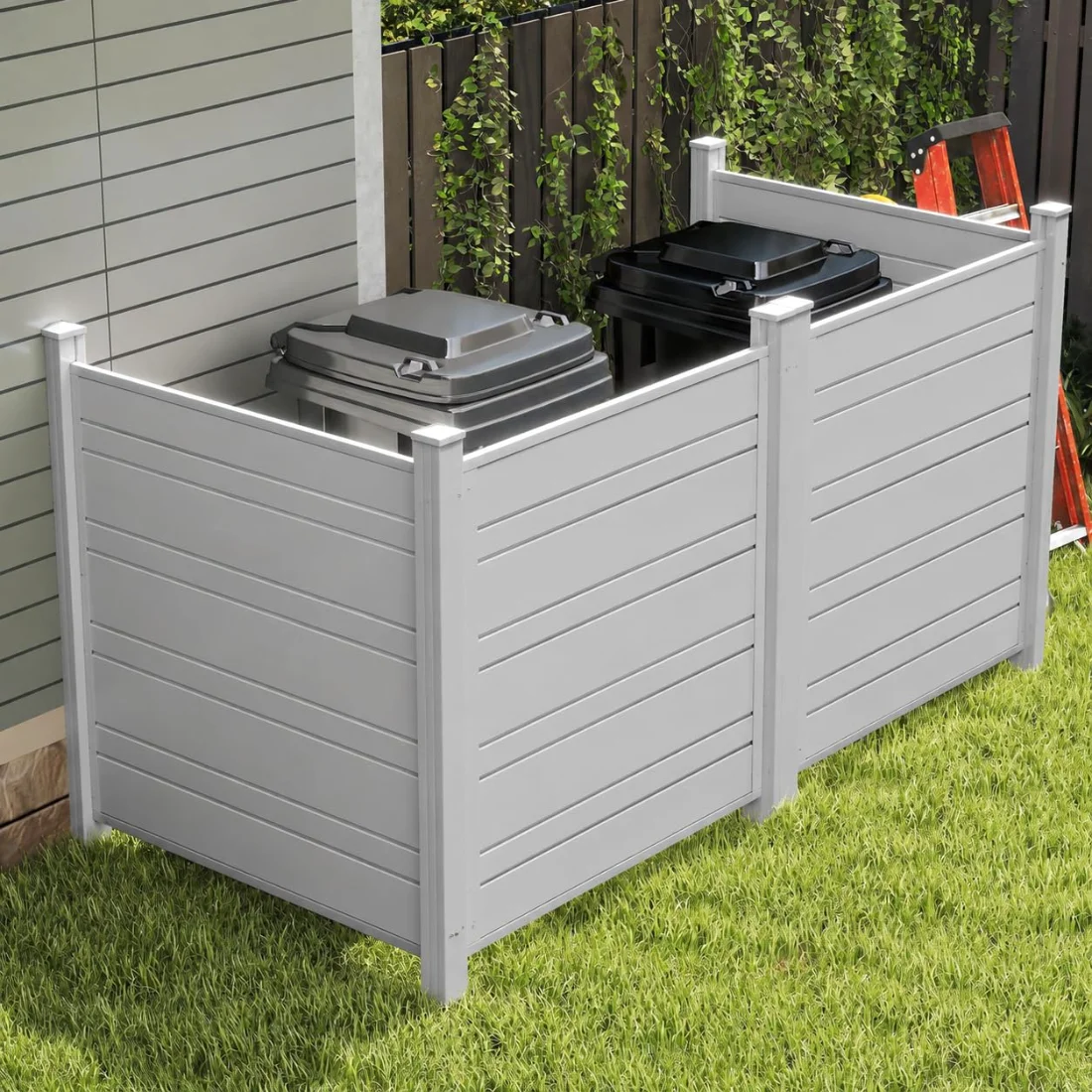
A vinyl screen that gives the cans and the AC unit a tidy address without blocking their airflow.
Production and history
A DWVO piece starts with a boring question: what will try to destroy it? For a shed the answer is water, wind and the weight of what leans on the walls. For a deck box it is sun, rain and a person sitting on the lid. For a radiator it is heat, pressure and vibration measured in years. We design against that list first and decorate later, and that order shows in how the pieces look: gussets where panels meet, drain channels moulded into lids, anchor points framed in before the paint goes on.
The same habit runs through the whole lot. Steel gets galvanized or powder-coated before it sees a yard. Resin gets walled twice where a lid doubles as a bench. The furniture that goes inside a house ships with its anchor kit in the box, not on a request form. None of this photographs dramatically, and all of it is the reason the second season looks like the first.
Zone 03
The National Weather Service says the same thing every July: rest and cool down in the shade, and drink water often. We build the shade half of that sentence, from hardtops that winter outside to pop-up canopies that live in a bag. The heat guidance itself is linked from our shade guide.
The permanent roof
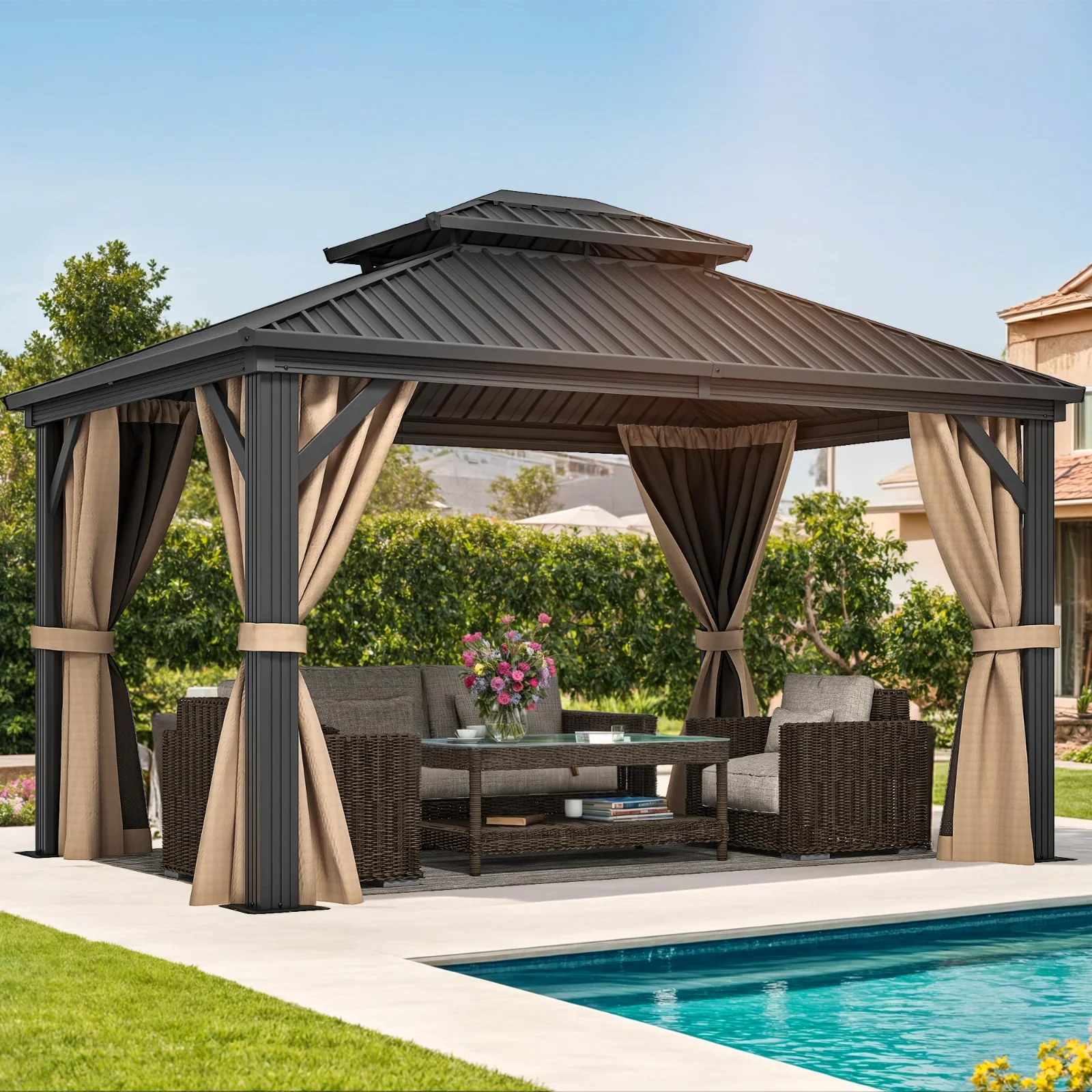
10x12 feet of engineered shade: galvanized steel over the table that used to bake at noon.
10x10 feet of engineered shade: galvanized steel over the table that used to bake at noon.
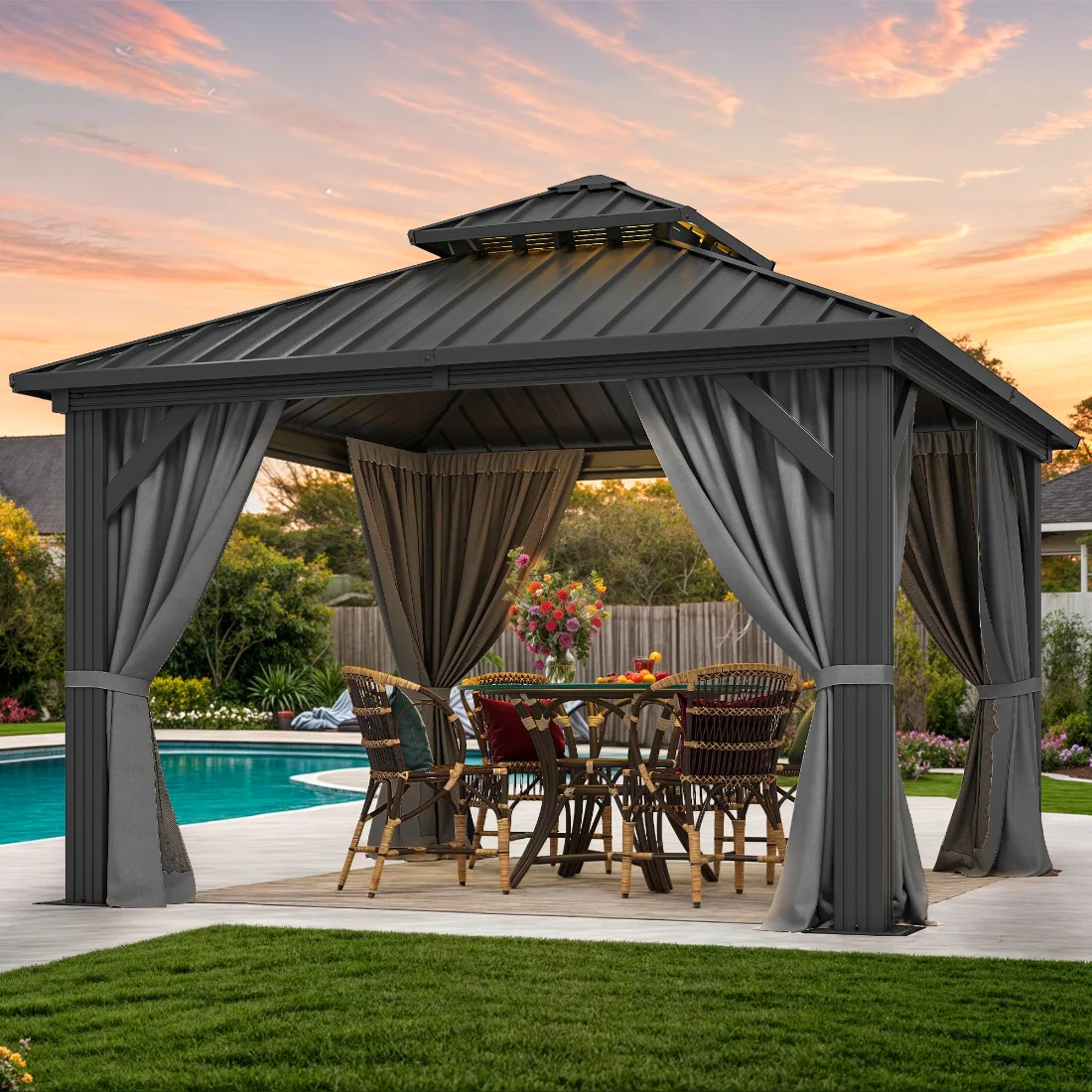
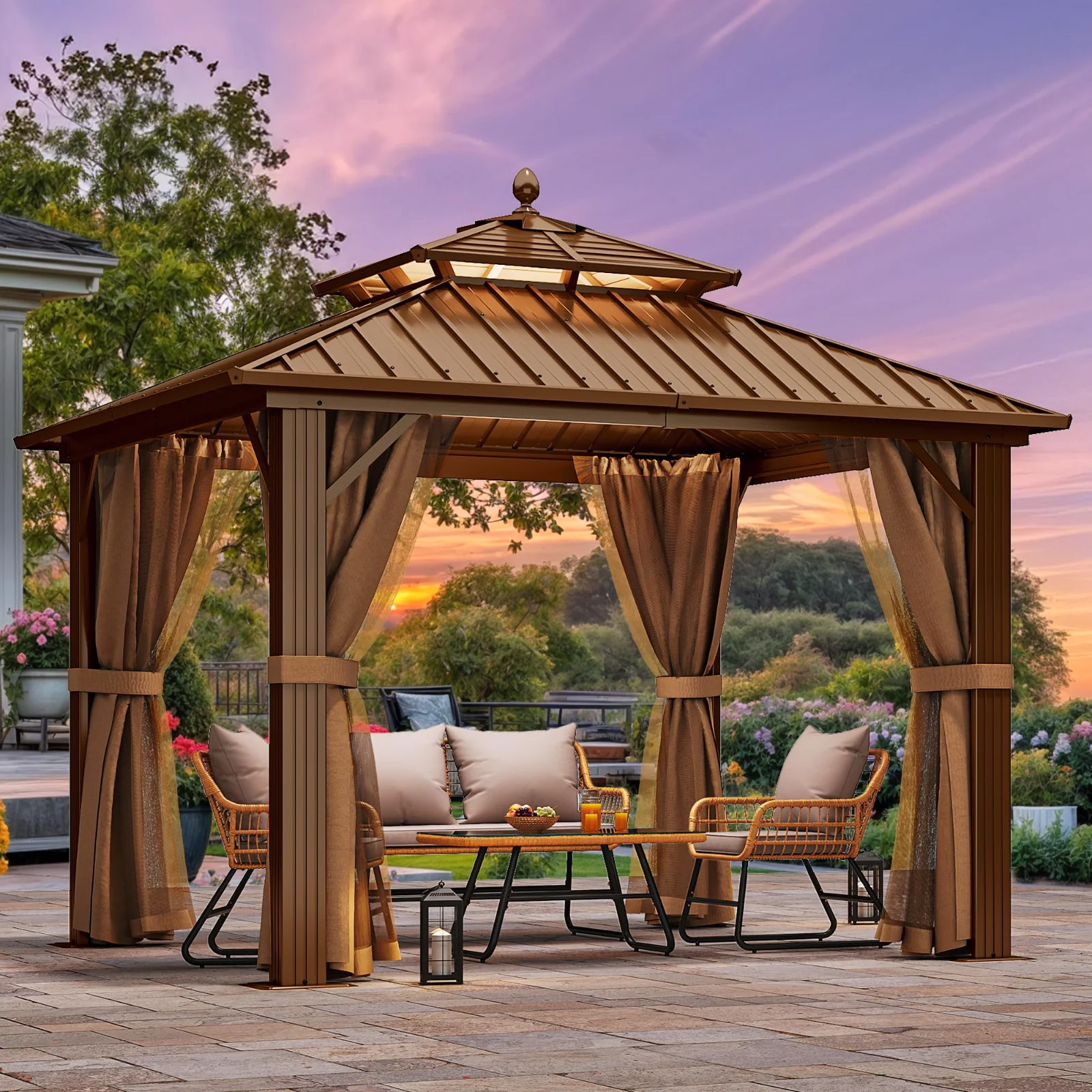
A double roof that vents wind instead of fighting it, with netting and curtains that close the evening in.
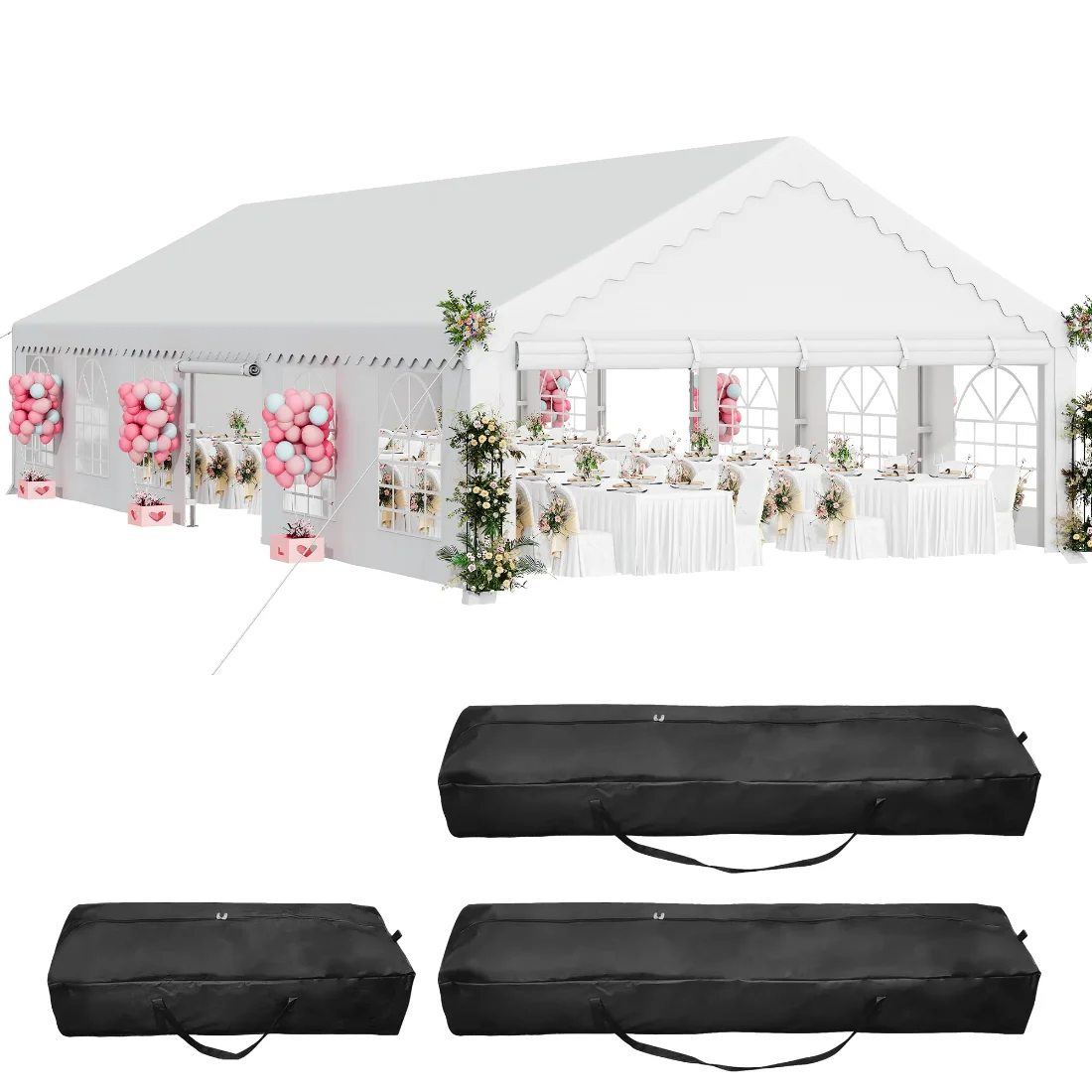
20x40 feet up in an afternoon: the frame, the ropes, the stakes and the bag it all travels in.
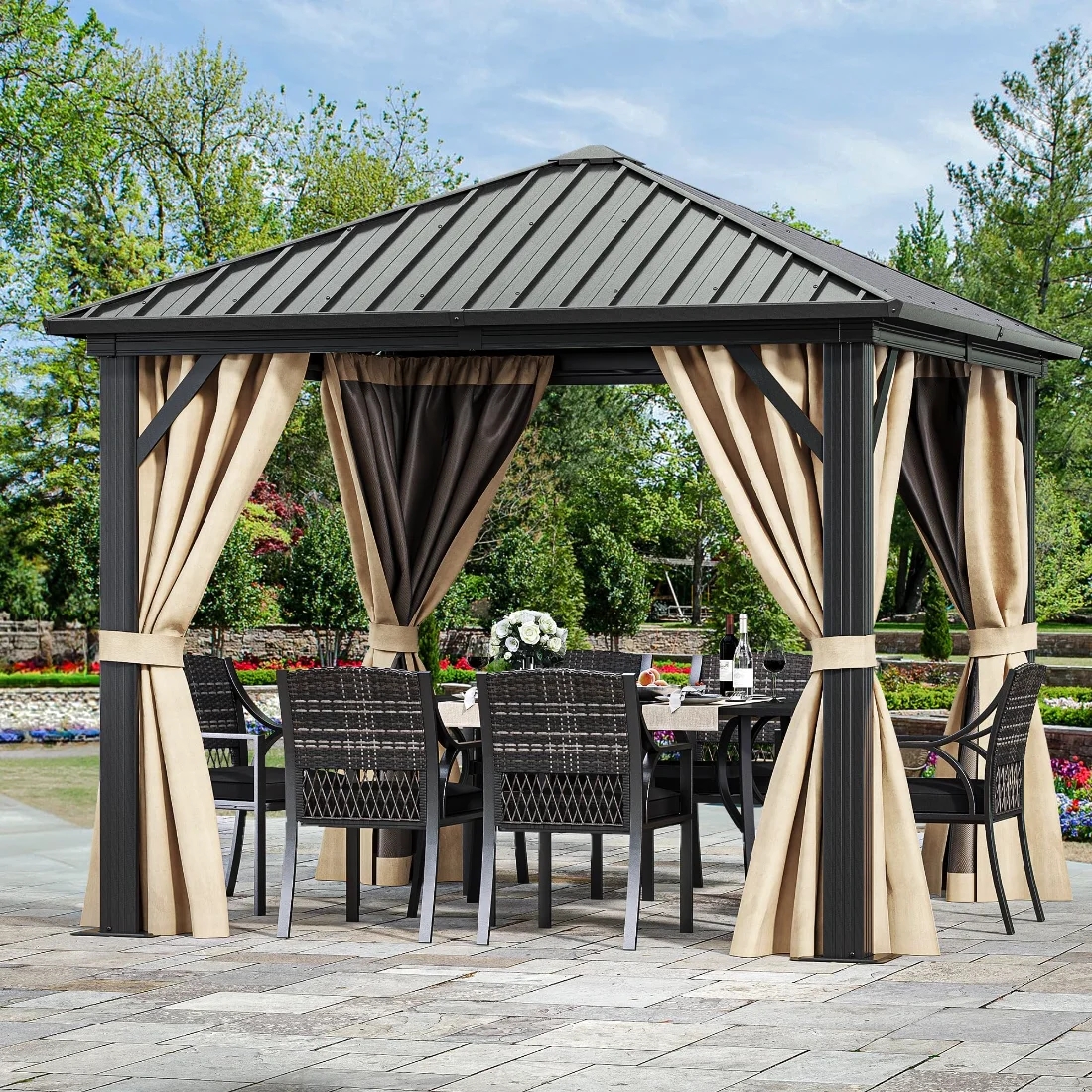
The permanent answer to July: a hardtop that stays through winter and shrugs off snow load.
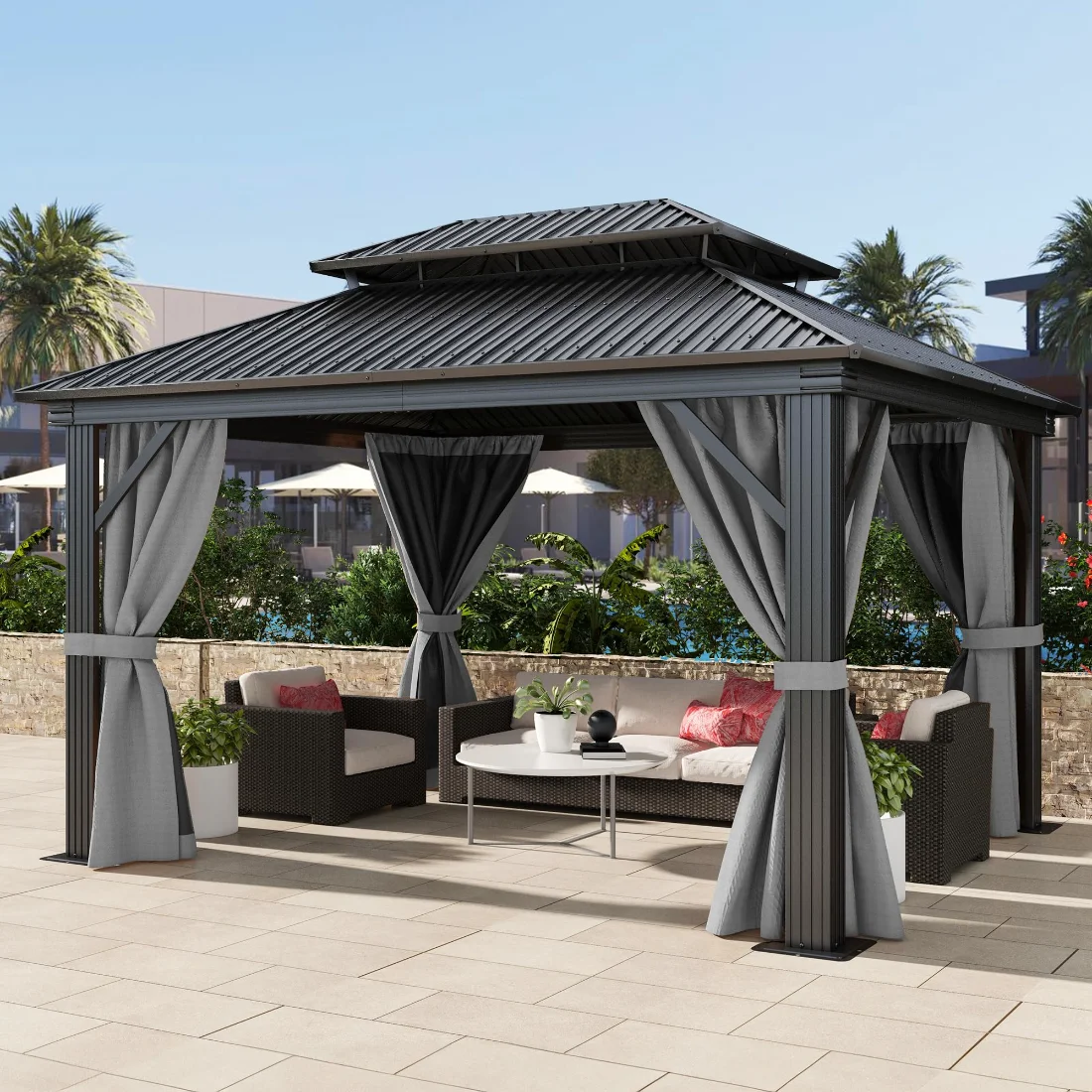
12x14 feet of engineered shade: galvanized steel over the table that used to bake at noon.
Zone 04
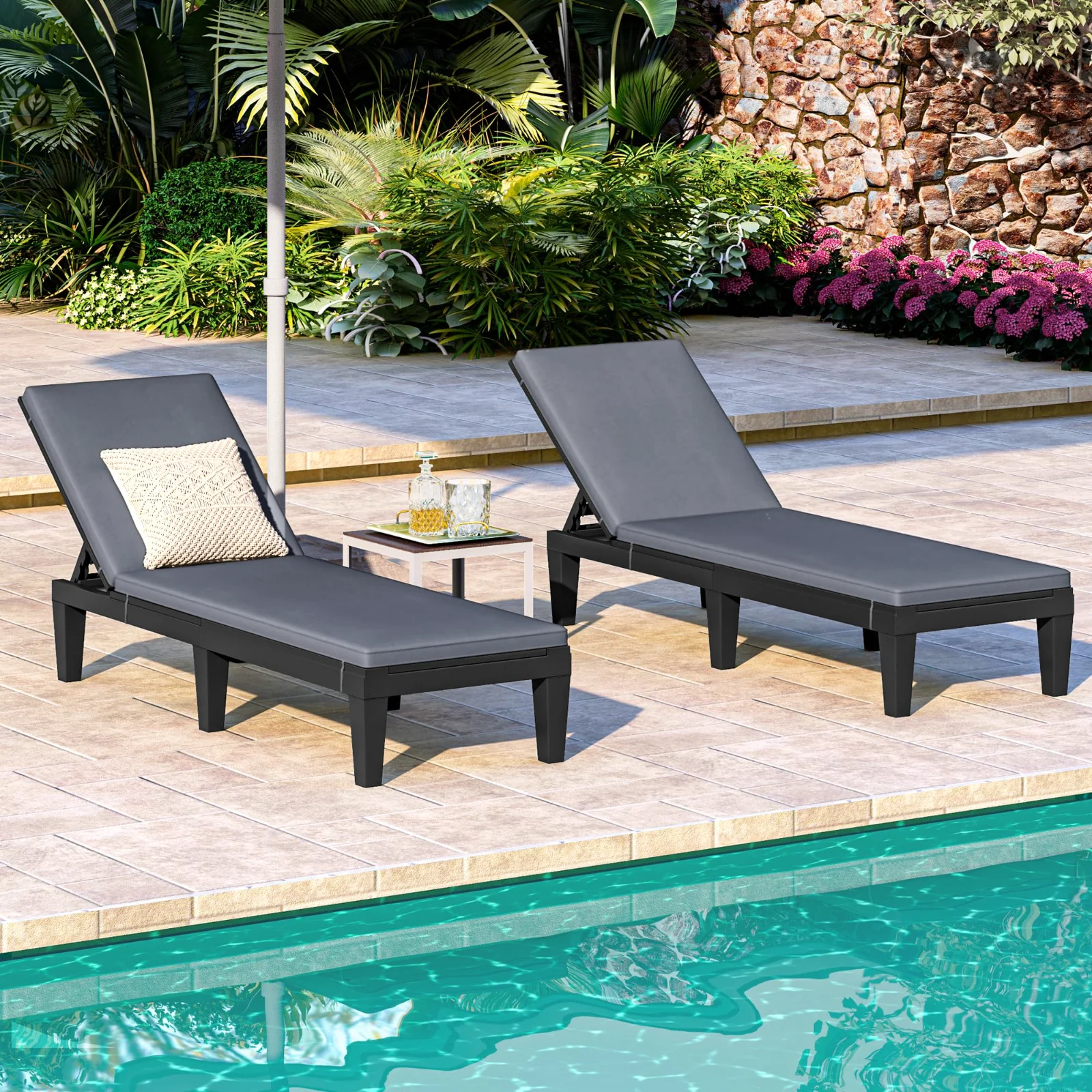
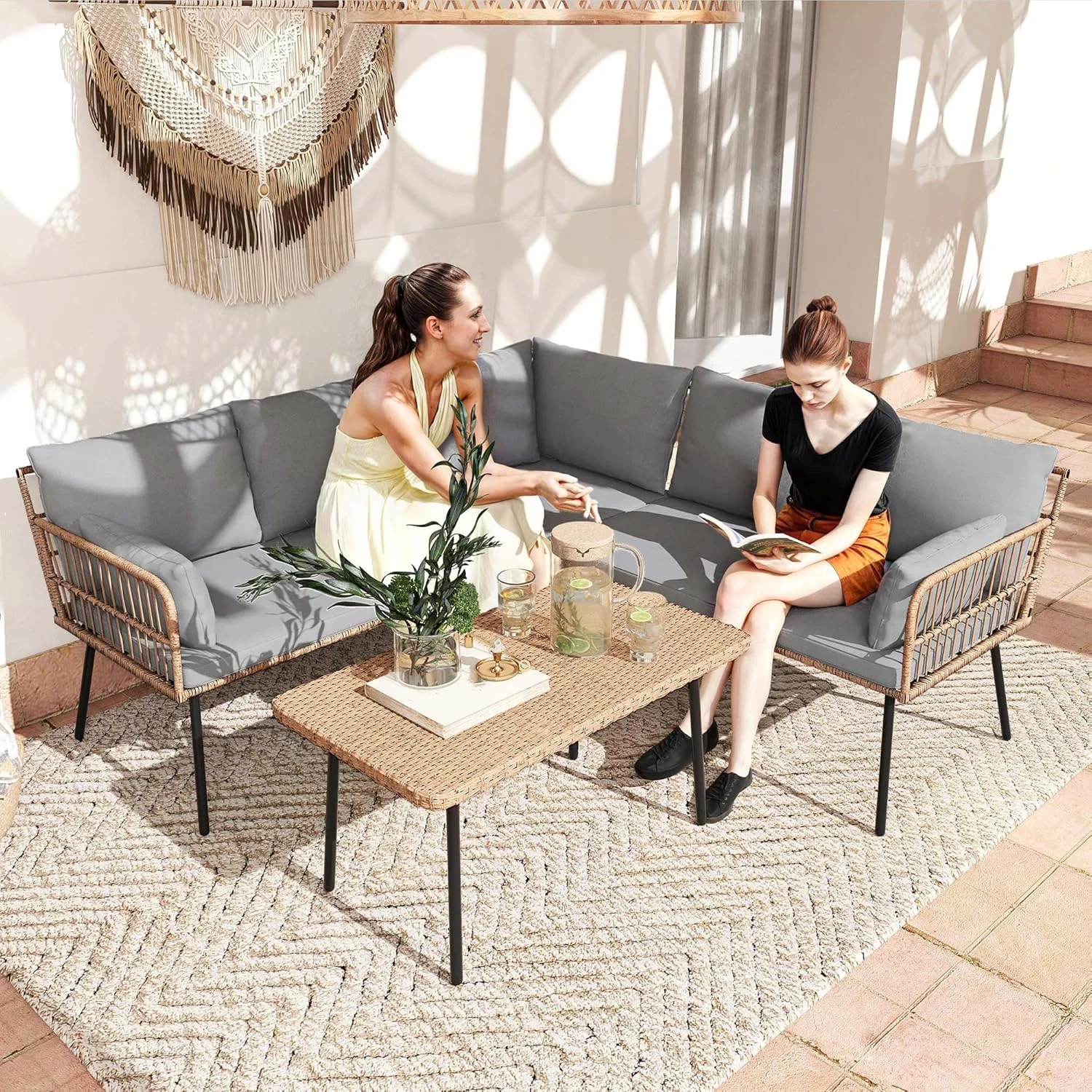
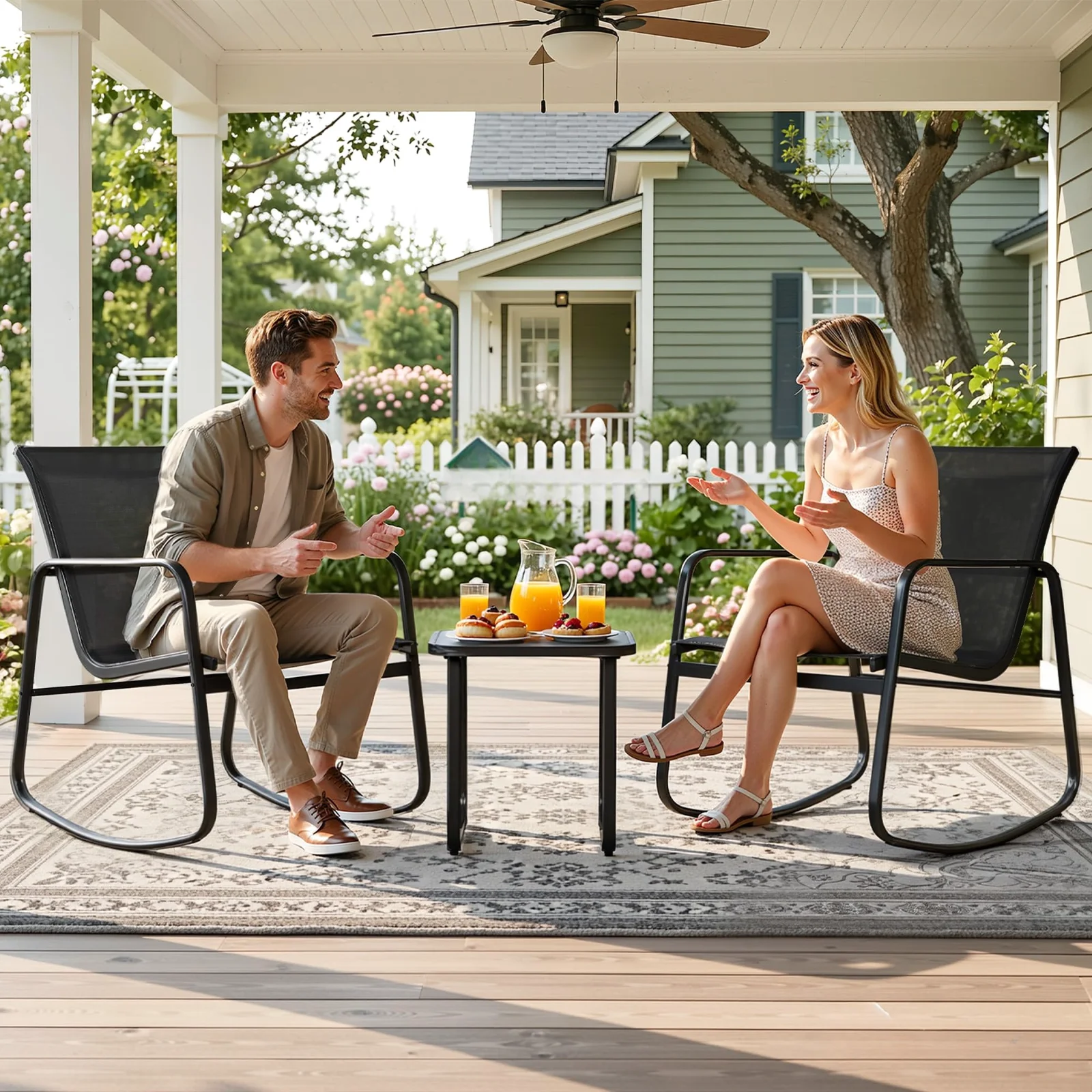
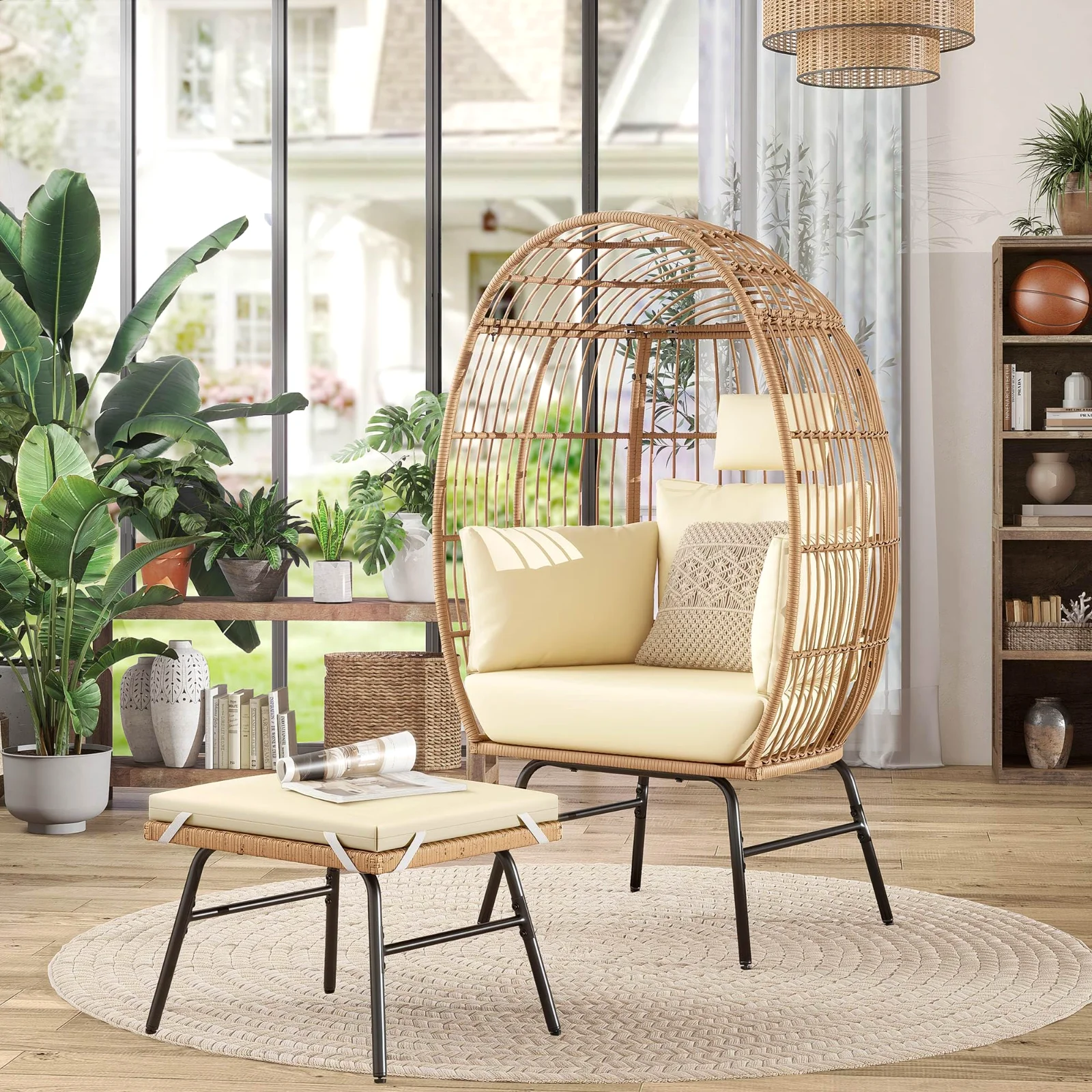
Egg chairs, rockers, chaises and the tables between them: frames powder-coated against rust, cushions in quick-dry foam, and nothing here that has to be carried in when clouds show up. DWVO builds patio pieces to be weather's roommate, not its refugee.
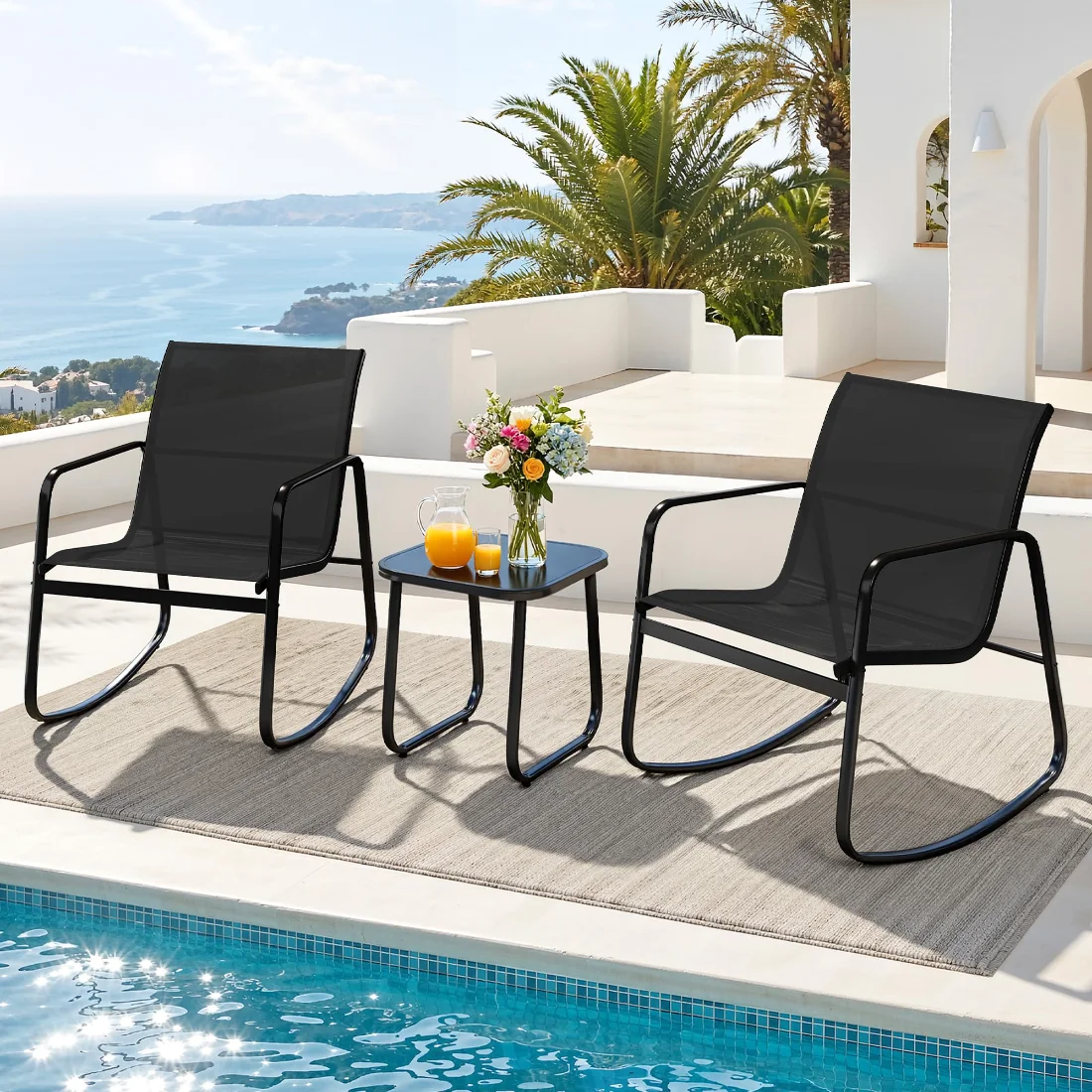
Weather-resistant frames and cushions that live outside all season, sized for the pause after dinner.
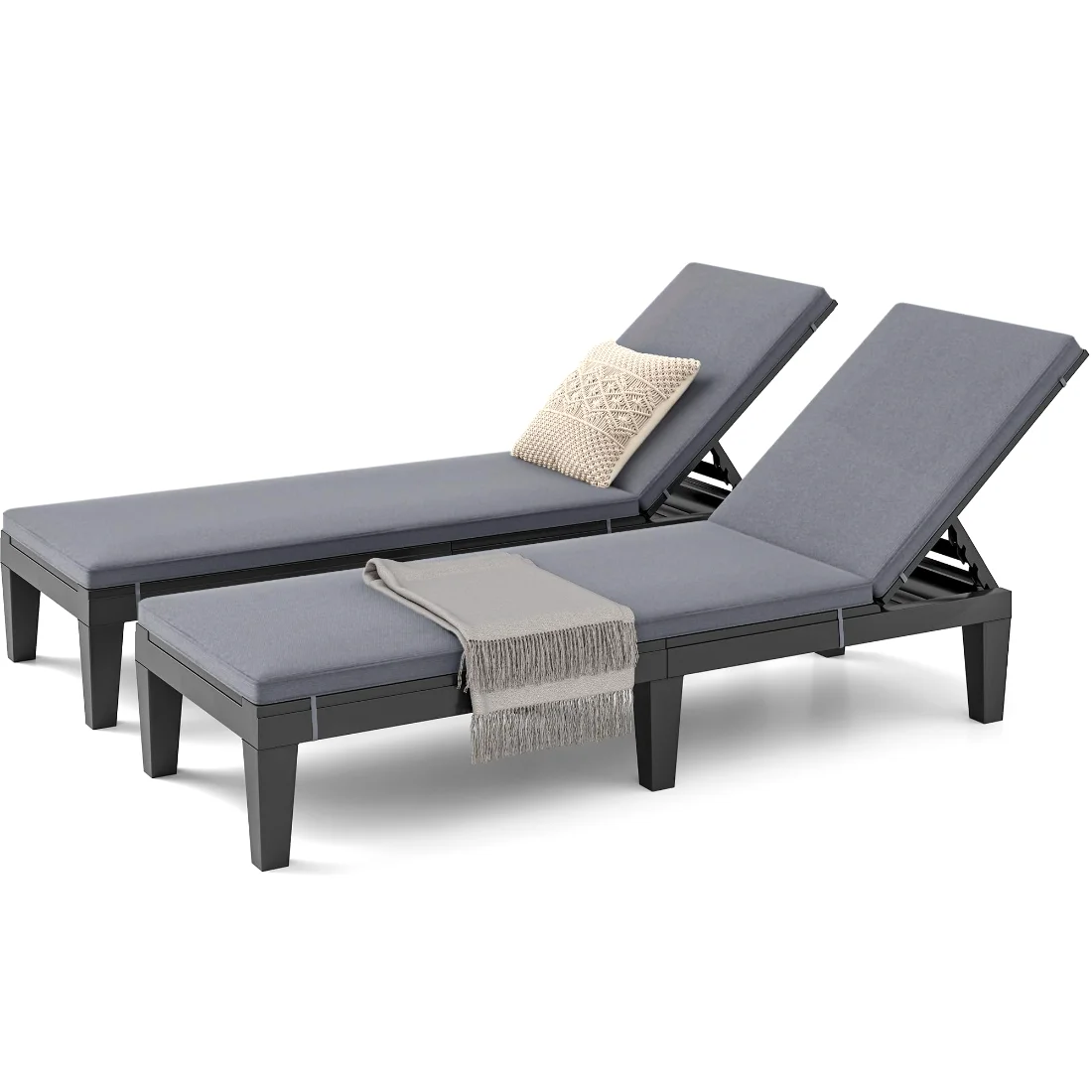
The seat the yard was missing: rust-resistant steel, fade-tested fabric, and no ceremony about weather.
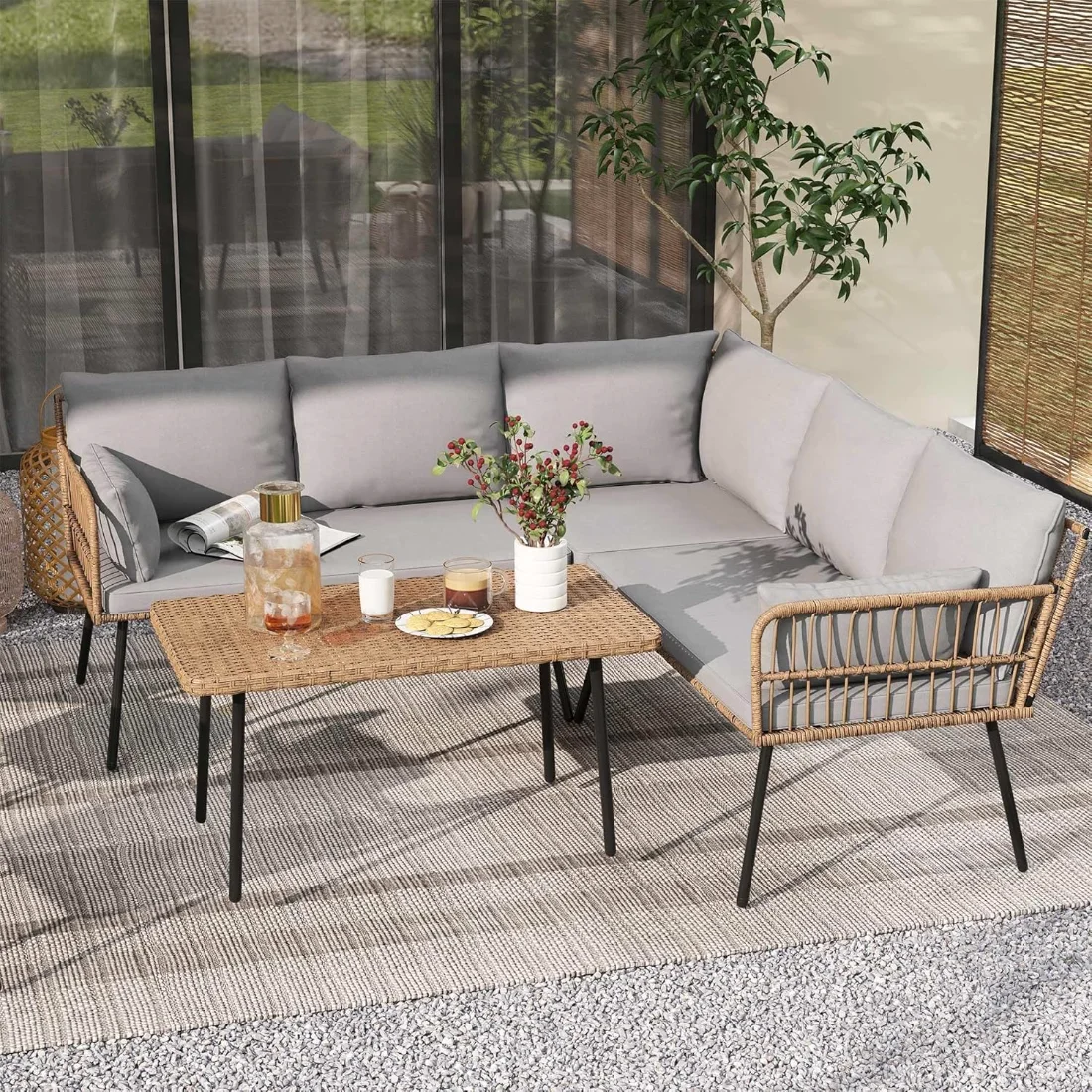
Built to stay out: quick-dry foam, powder-coated frame, and a silhouette that earns the front porch.

All-afternoon comfort that hoses clean: the piece guests migrate to and stay in.
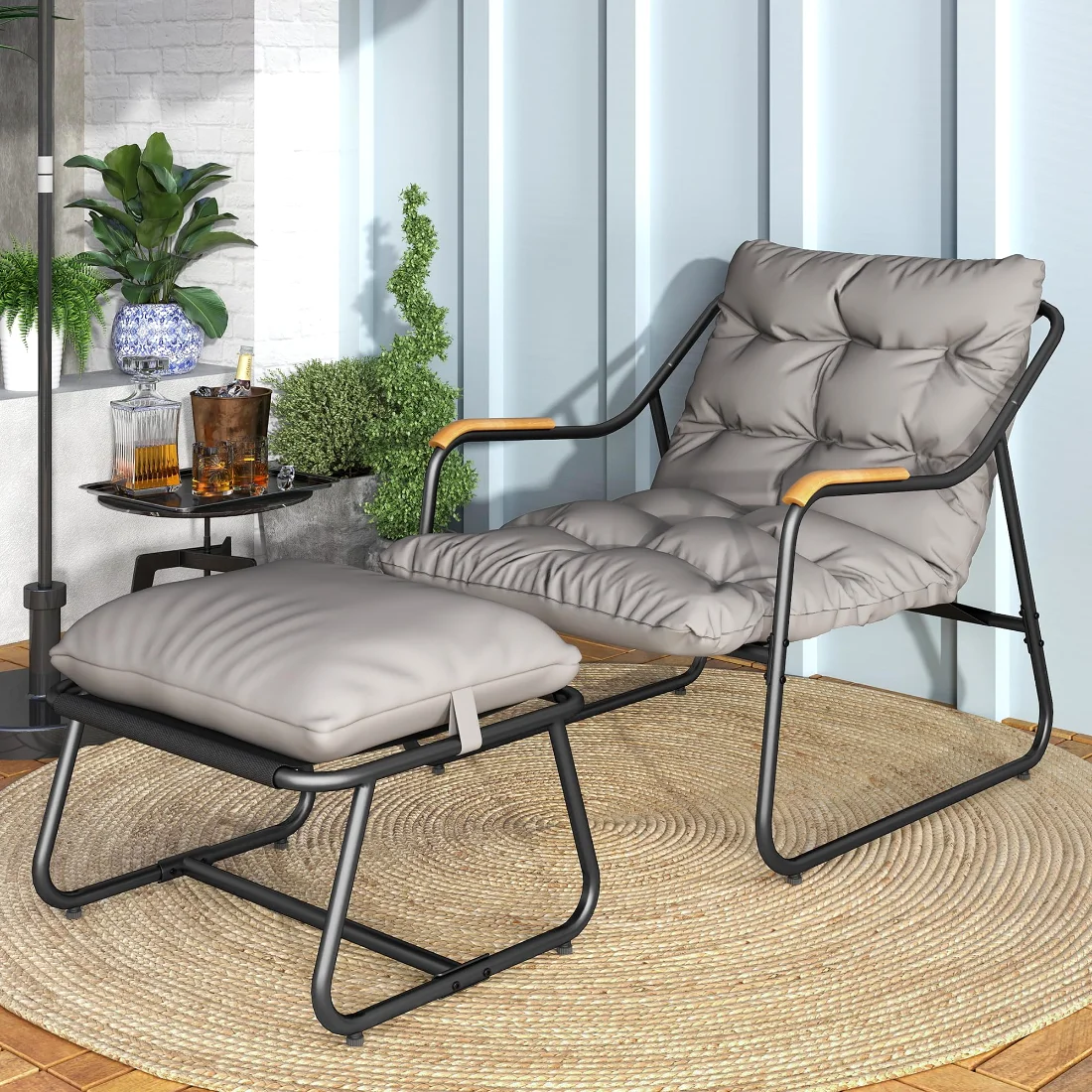
Weather-resistant frames and cushions that live outside all season, sized for the pause after dinner.
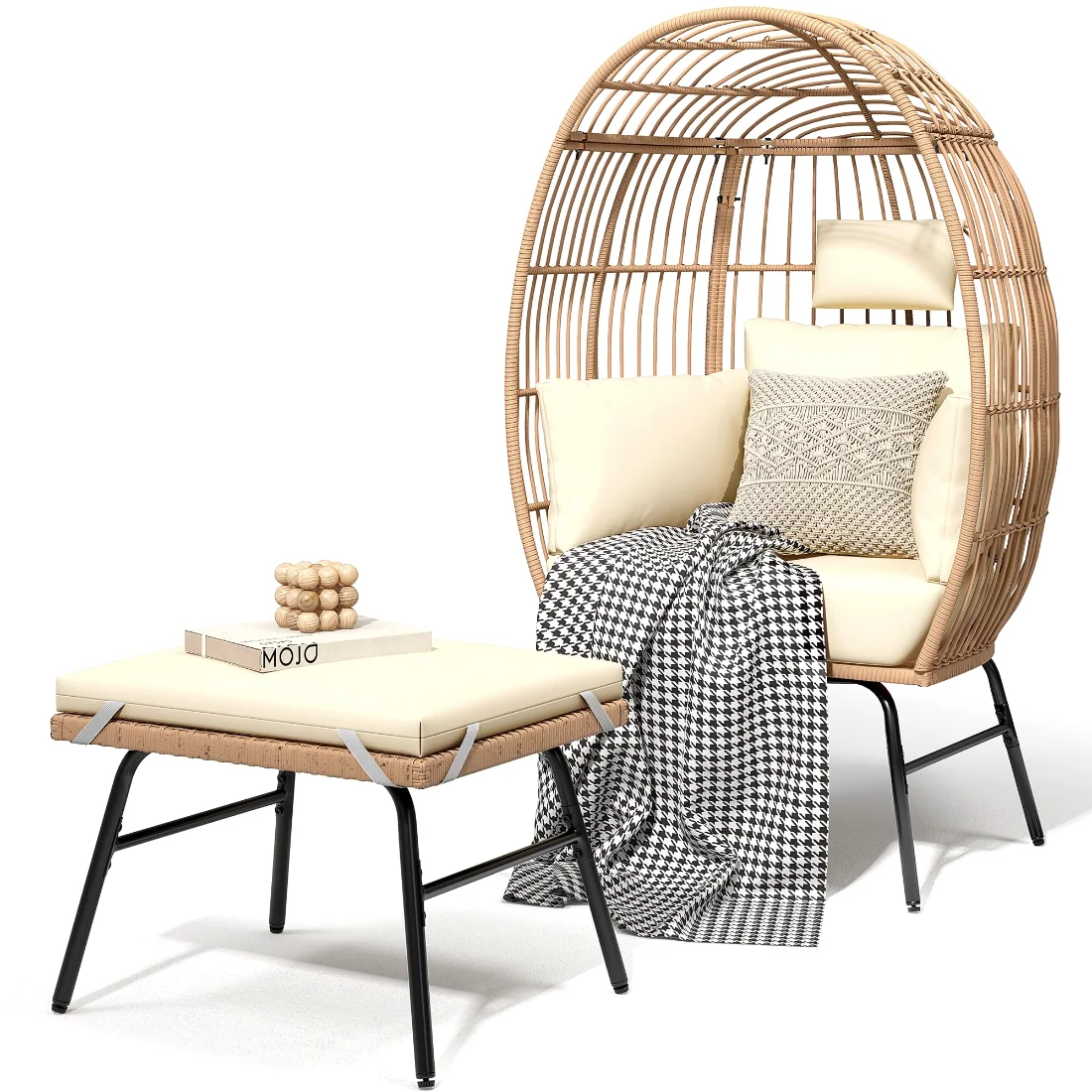
The seat the yard was missing: rust-resistant steel, fade-tested fabric, and no ceremony about weather.
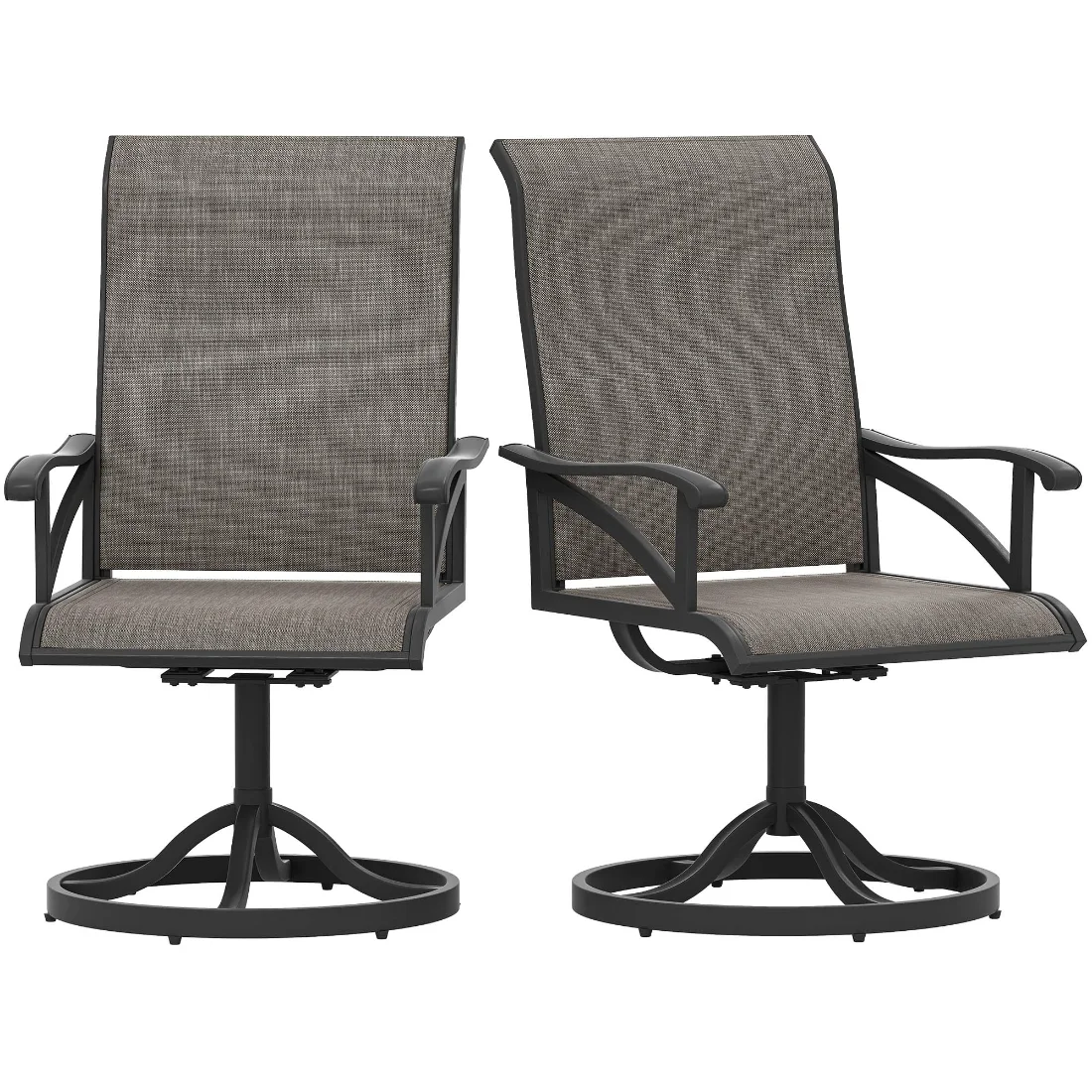
Built to stay out: quick-dry foam, powder-coated frame, and a silhouette that earns the front porch.
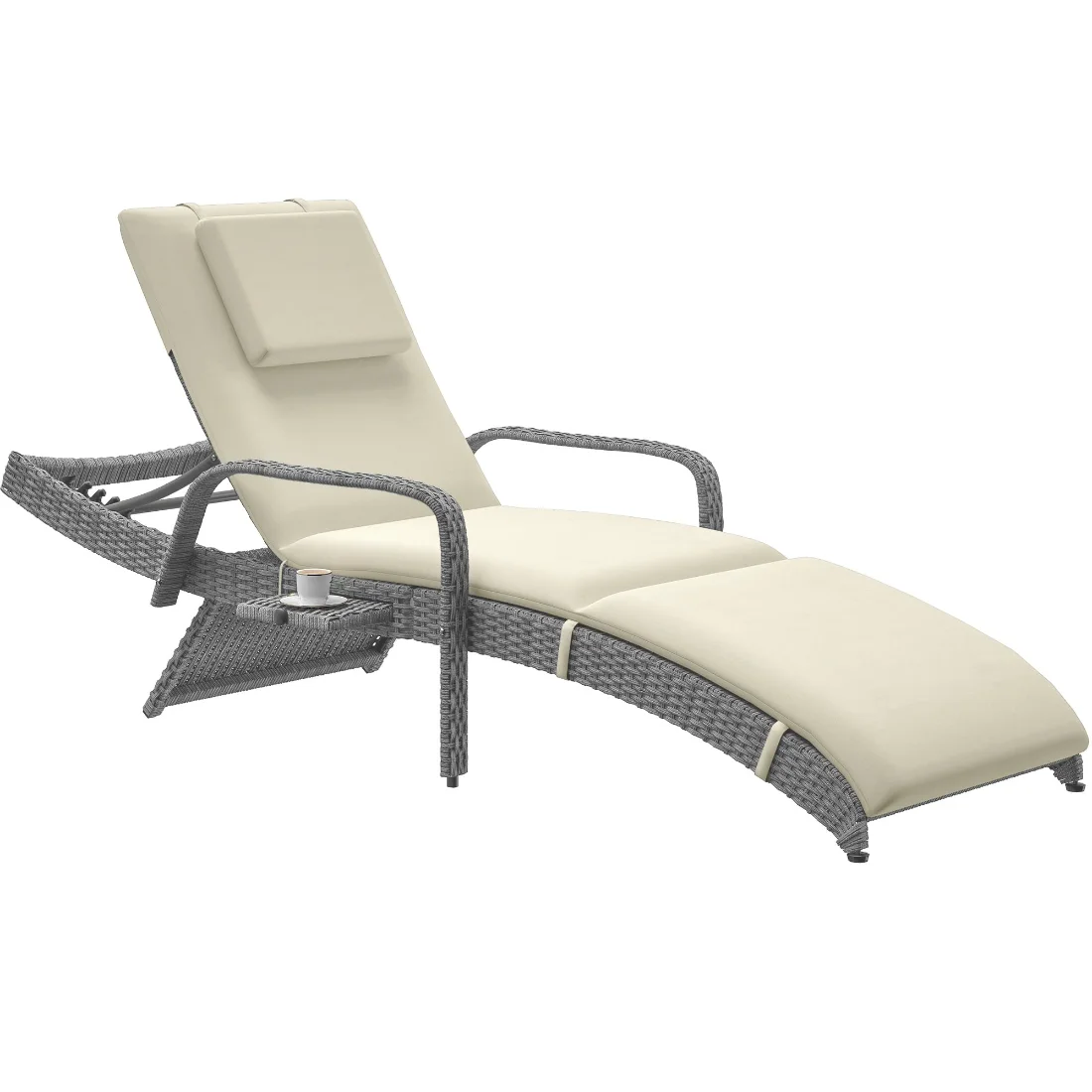
All-afternoon comfort that hoses clean: the piece guests migrate to and stay in.
Materials
Materials are the whole argument for buying anything that lives outdoors, so here is ours, stated plainly. Where a card names a material, that name comes from the piece's own specification, and where we do not know a figure, we leave it out rather than invent it.
RESIN
The deck boxes and resin sheds are moulded in thick-walled, UV-stabilized resin, doubled where a lid is also a seat. It does not rot, rust, or need painting; it shrugs off rain and it hoses clean. The trade it makes is honest: resin wants to be anchored, and every resin piece has the points for it.
STEEL
Metal sheds, gazebo frames and workbench legs are steel, galvanized or powder-coated before assembly so cut edges do not sit bare inside seams. Steel carries snow load and door slams that resin will not, and the coating is what keeps a yard from turning it orange.
WOOD
The indoor furniture and the wood outdoor pieces mix solid wood where hands touch and engineered panels where spans need to stay flat. Poly lumber carries the wet-zone pieces: it is the plastic that behaves like wood without drinking like it.
ALUMINUM
Radiator cores are aluminum because shedding heat is the whole job, pressure-tested before shipping and matched to exact model years. Cooling parts are the one zone where close enough is the same as wrong, so fitment is by the vehicle, not by the look.
Zone 05
Raised beds put the soil at working height, warm it earlier in spring, and lift the crop above tired ground; the University of Minnesota Extension sizes bed width by arm reach and calls about 27 inches comfortable for wheelchair users, and we build to those numbers. The grill carts hold the other half of the backyard evening.
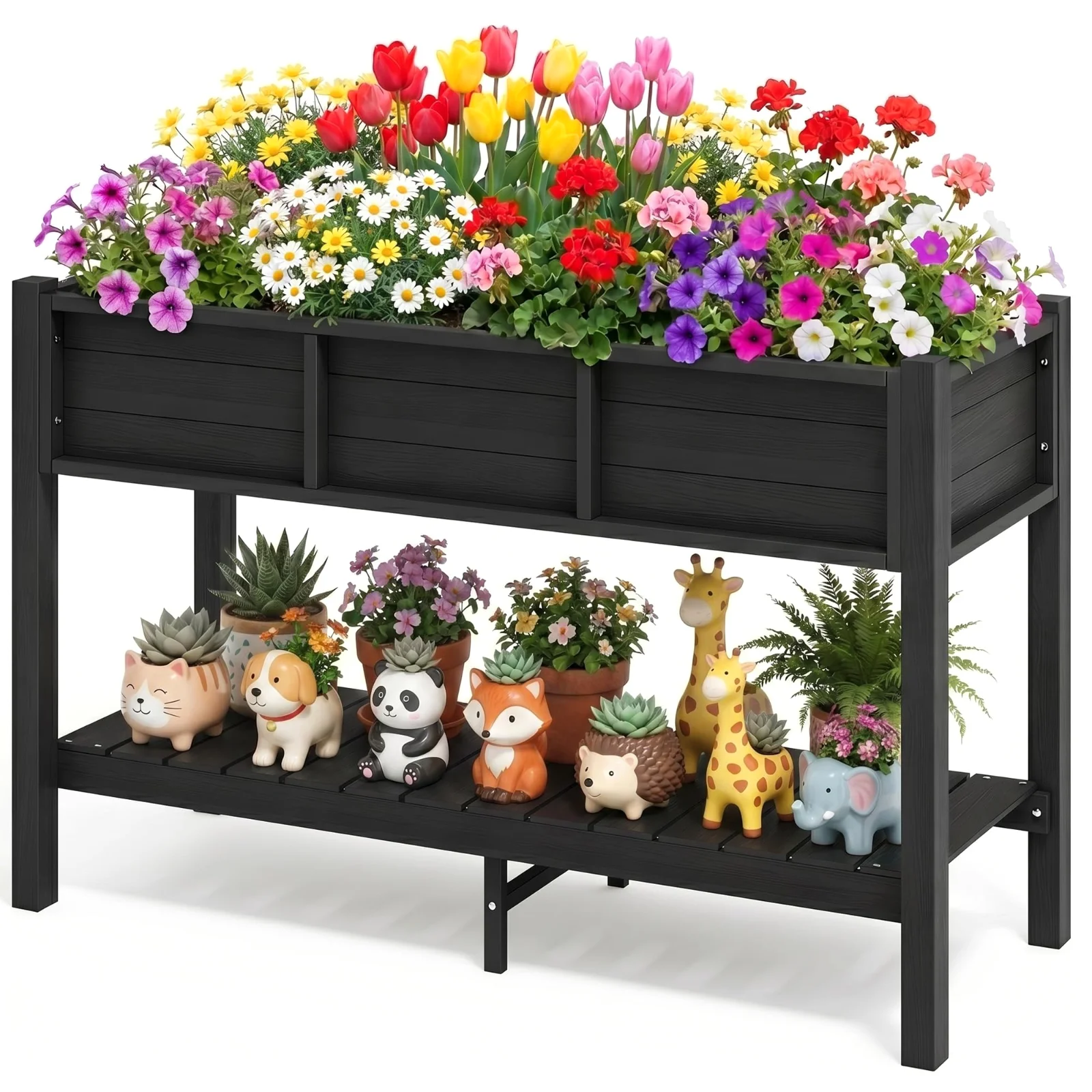
The working height bed
Raised growing space at working height: no tilling, fewer weeds, and soil that warms weeks earlier.
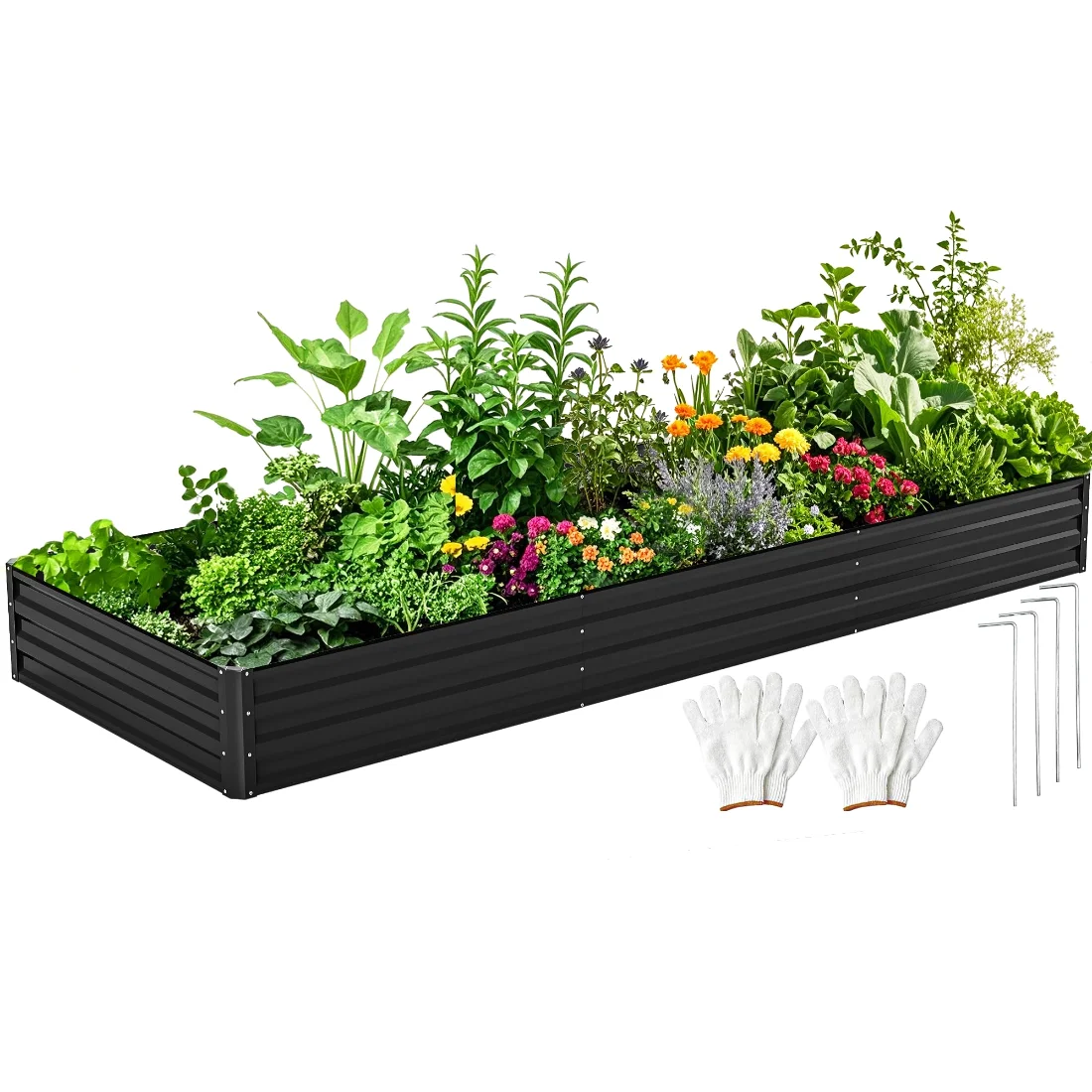
Raised growing space at working height: no tilling, fewer weeds, and soil that warms weeks earlier.
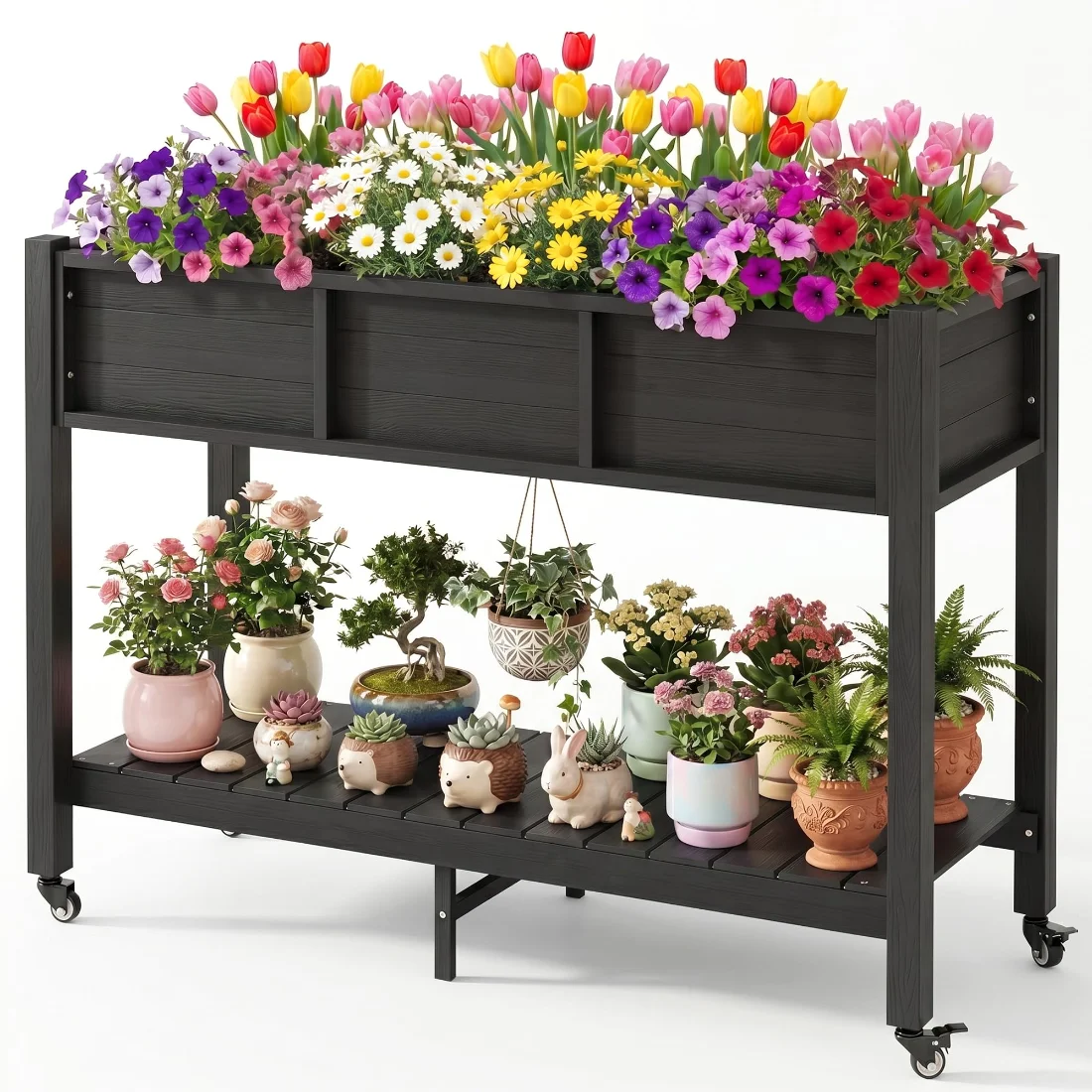
The bed brings the garden up to you: rot-proof walls, open base for drainage, gloves in the box.
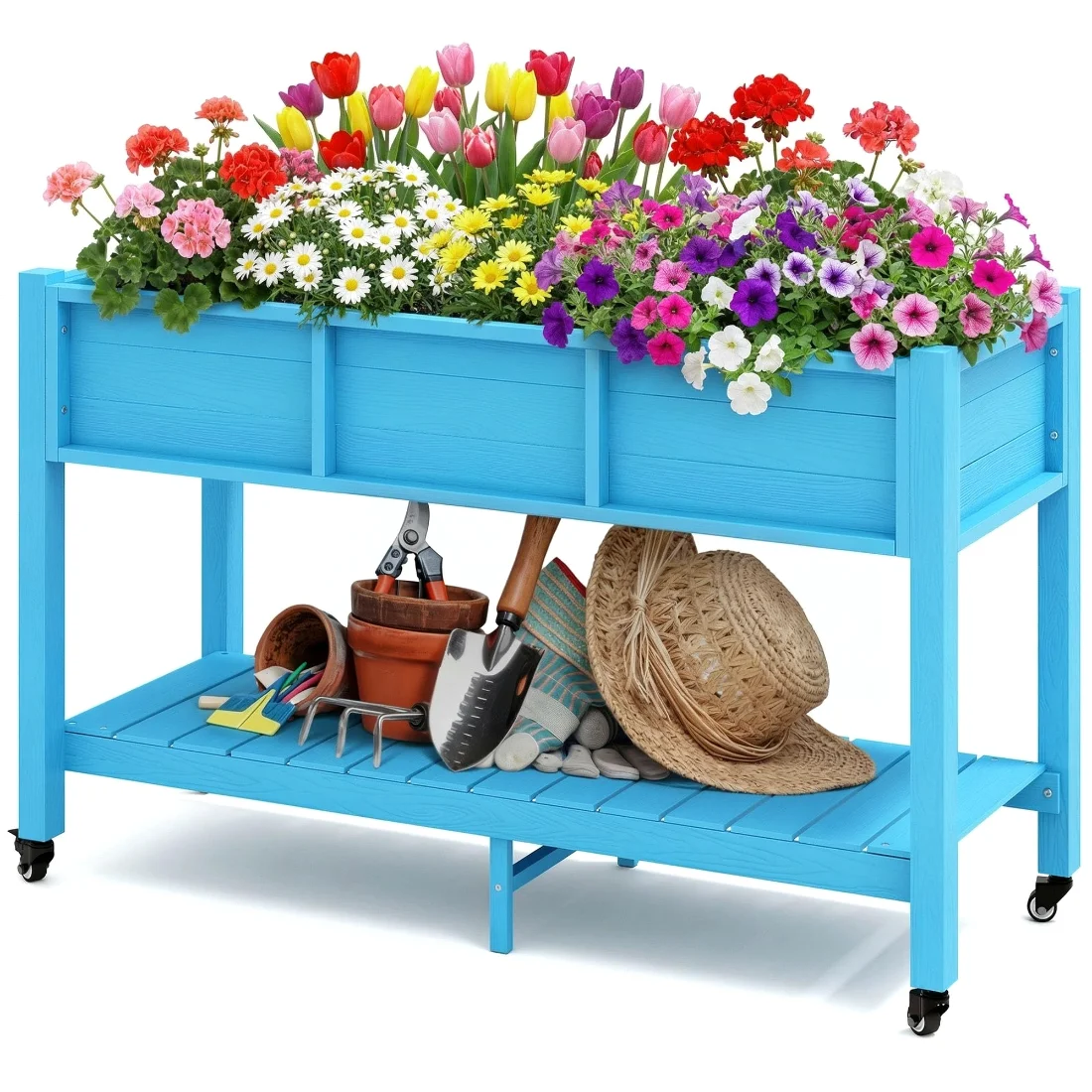
A rolling outdoor work surface for soil, seedlings and grill-side prep, with storage below.
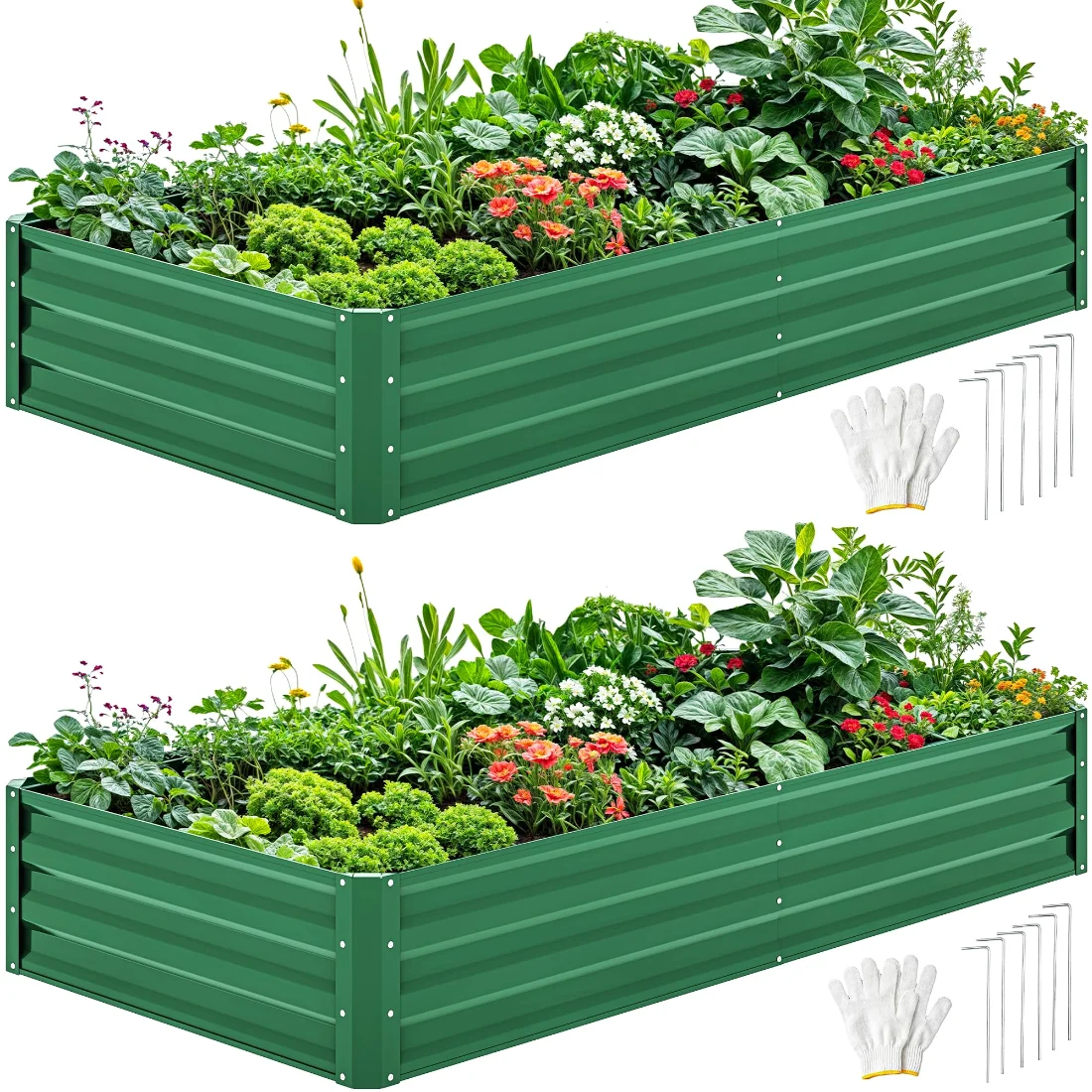
Grow where the ground says no: on the patio, over poor soil, at a height knees approve of.
Gallery
Sheds mid-load, gazebos at dusk, beds in June: the pieces above, photographed doing the jobs they were bought for.
Zone 06
The FDA's outdoor food rule is blunt: cold food rides at 40 °F or below, and drinks belong in a separate chest so the food cooler stays shut. Our rolling carts are built for exactly that second chest, at serving height, and the cookout guide walks through the rest of it.
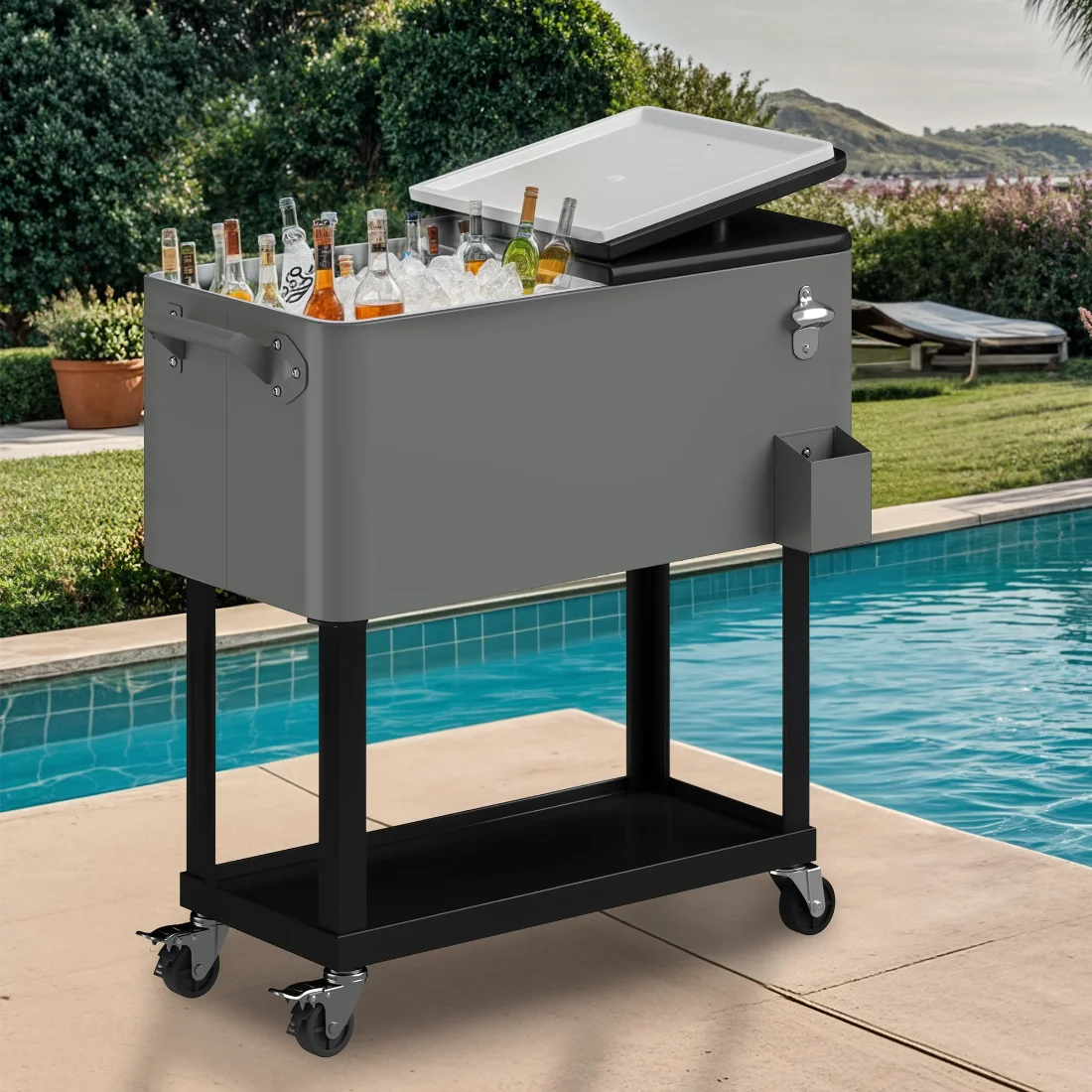
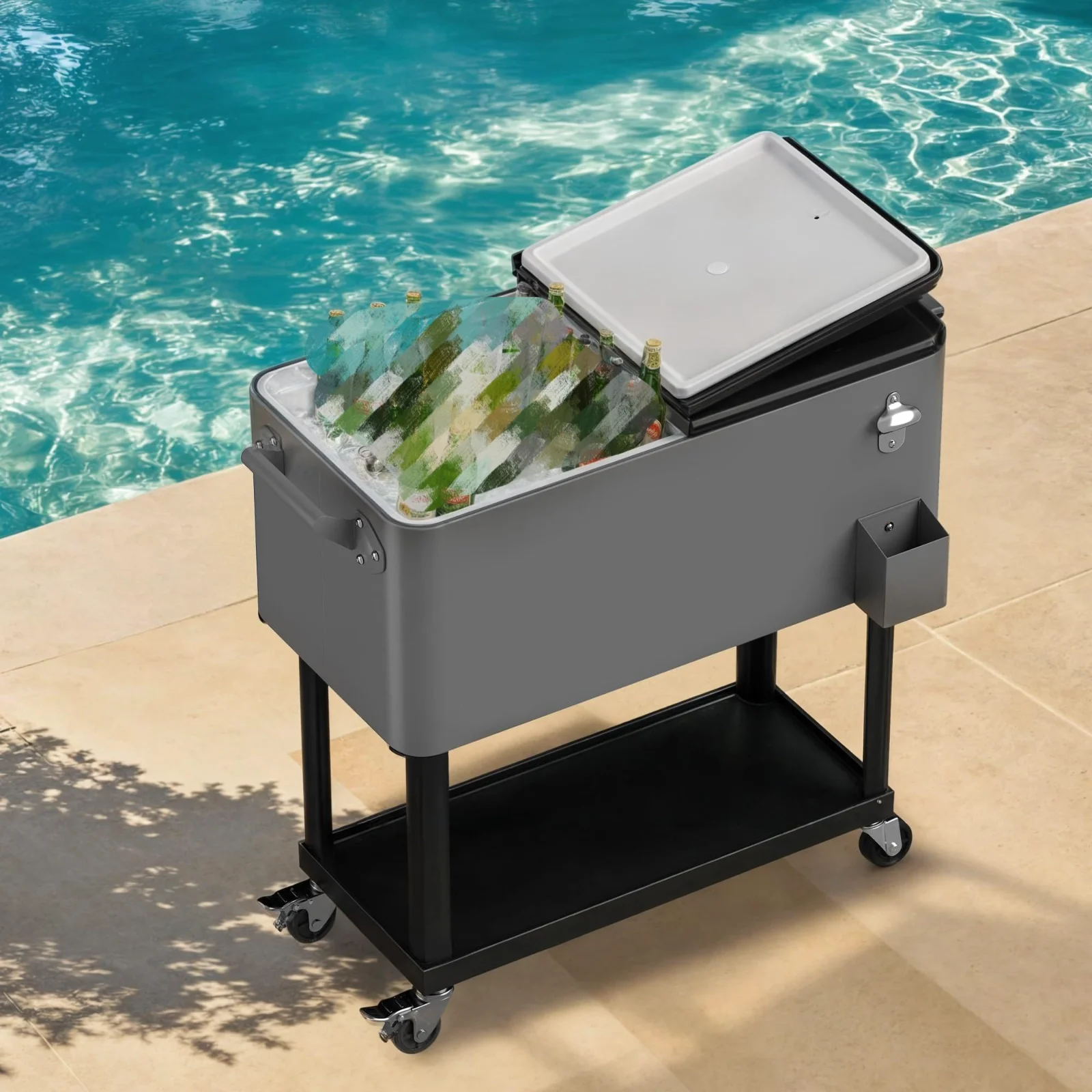
80 quarts of iced drinks at serving height, on casters, with a drain that actually drains.
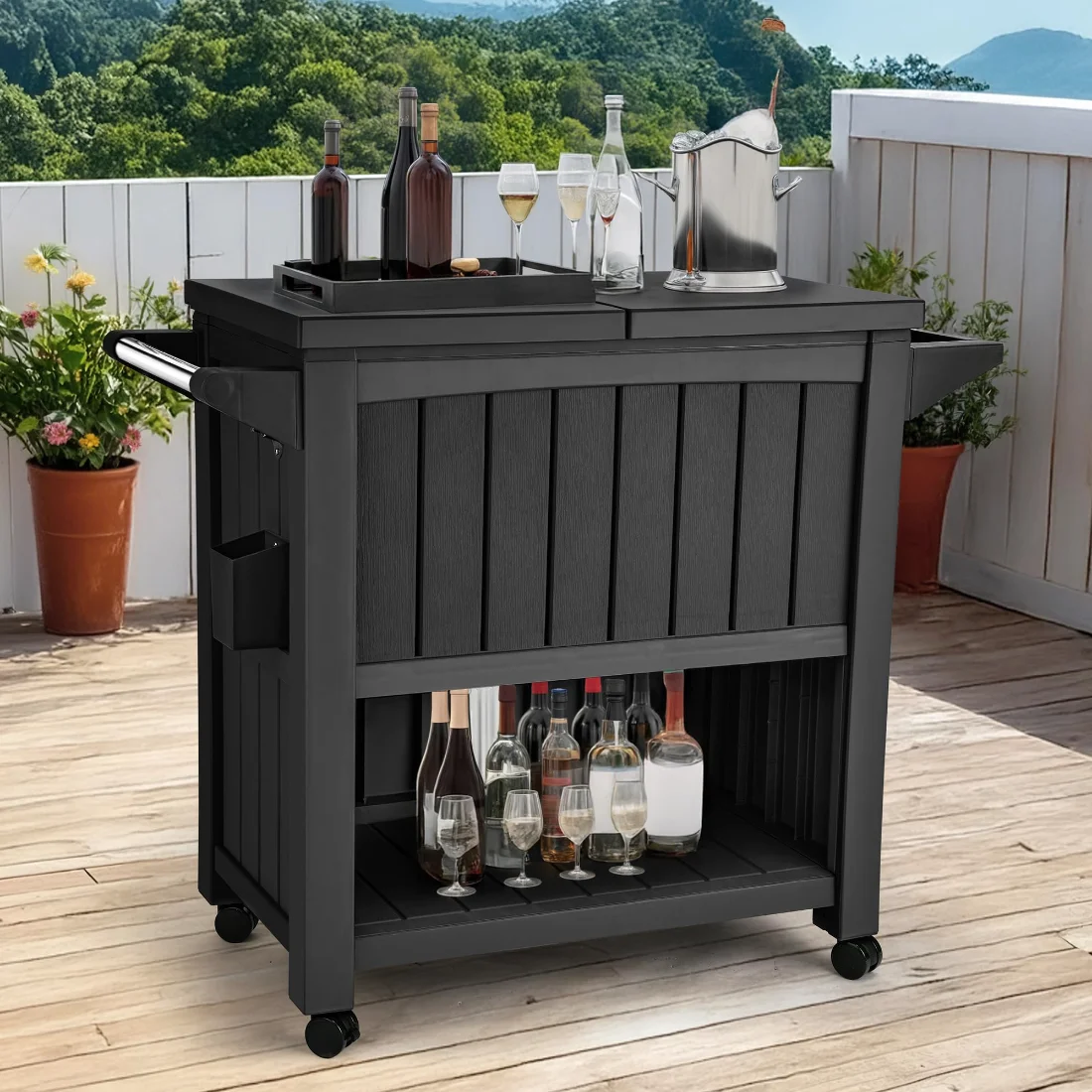
The drink station the two-cooler rule calls for: 85 quarts at hip height, shelf for backups below.
Compare
Outdoor structures are a market of lookalikes, and photographs will not tell you where a cheap one saves its money. The table below is how we explain our own build choices against the two ways the category usually cuts costs. It names no other maker, because the pattern matters more than any brand: read any spec sheet with this table beside it and the differences surface on their own.
| Build choice | DWVO | Budget lookalike | Premium import |
|---|---|---|---|
| Wall build on resin boxes | Double wall where the lid seats | Single wall throughout | Double wall |
| Steel treatment | Galvanized or powder-coated before assembly | Painted after assembly | Galvanized |
| Anchor points | Framed in on every shed and gazebo | Drill-your-own | Framed in |
| Lid and door hardware | Metal hinges, padlock loops standard | Moulded plastic hinges | Metal hinges |
| Hardware pack | Counted, bagged by step, with spares | Loose in one bag | Bagged by step |
| Typical price line | Mid | Low | High |
What the middle of the table buys. The budget column is not a scam; it is a different bet. A single-wall box on a covered porch can serve for years. Our bet is different: the piece stands in open weather, gets sat on, leaned on and slammed, and it is cheaper to build that strength in once than to replace the piece twice.
Where we say no. The premium column mostly buys thicker gauges and longer warranties on the same geometry. Where a heavier build genuinely changes the piece, we build it and price it accordingly. Where it only changes the brochure, we skip it, and that refusal is most of the gap between our price line and the top one.
Zone 07
The same plainness, indoors: desks, media consoles, pantry cabinets, bed frames and the entryway pieces that keep a household moving. Tall units ship with anchor kits, and the CPSC's Anchor It! campaign is why: furniture with drawers, doors and shelves belongs strapped to a wall.
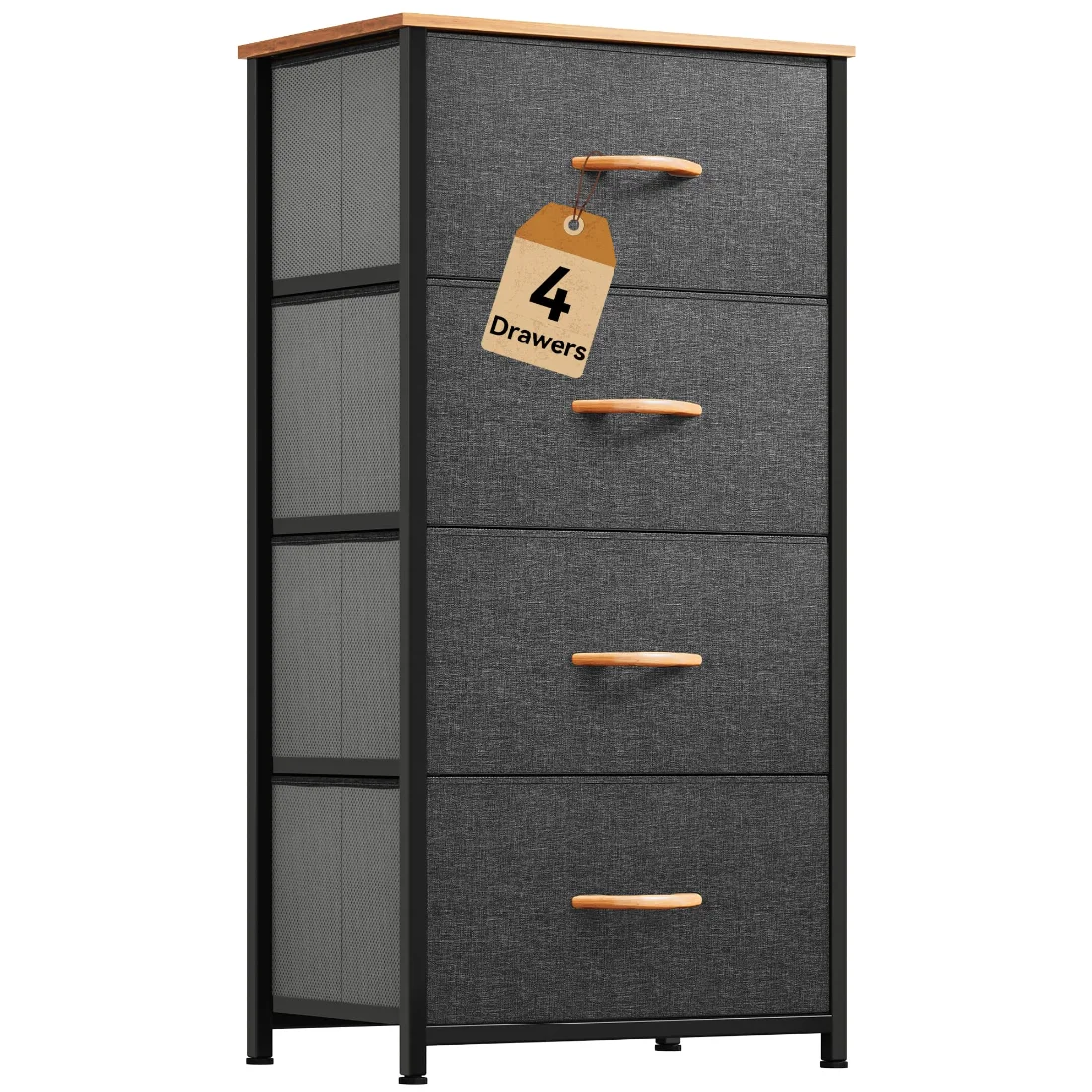
Deep fabric drawers in a steel frame: bedroom storage that assembles fast and holds its shape.
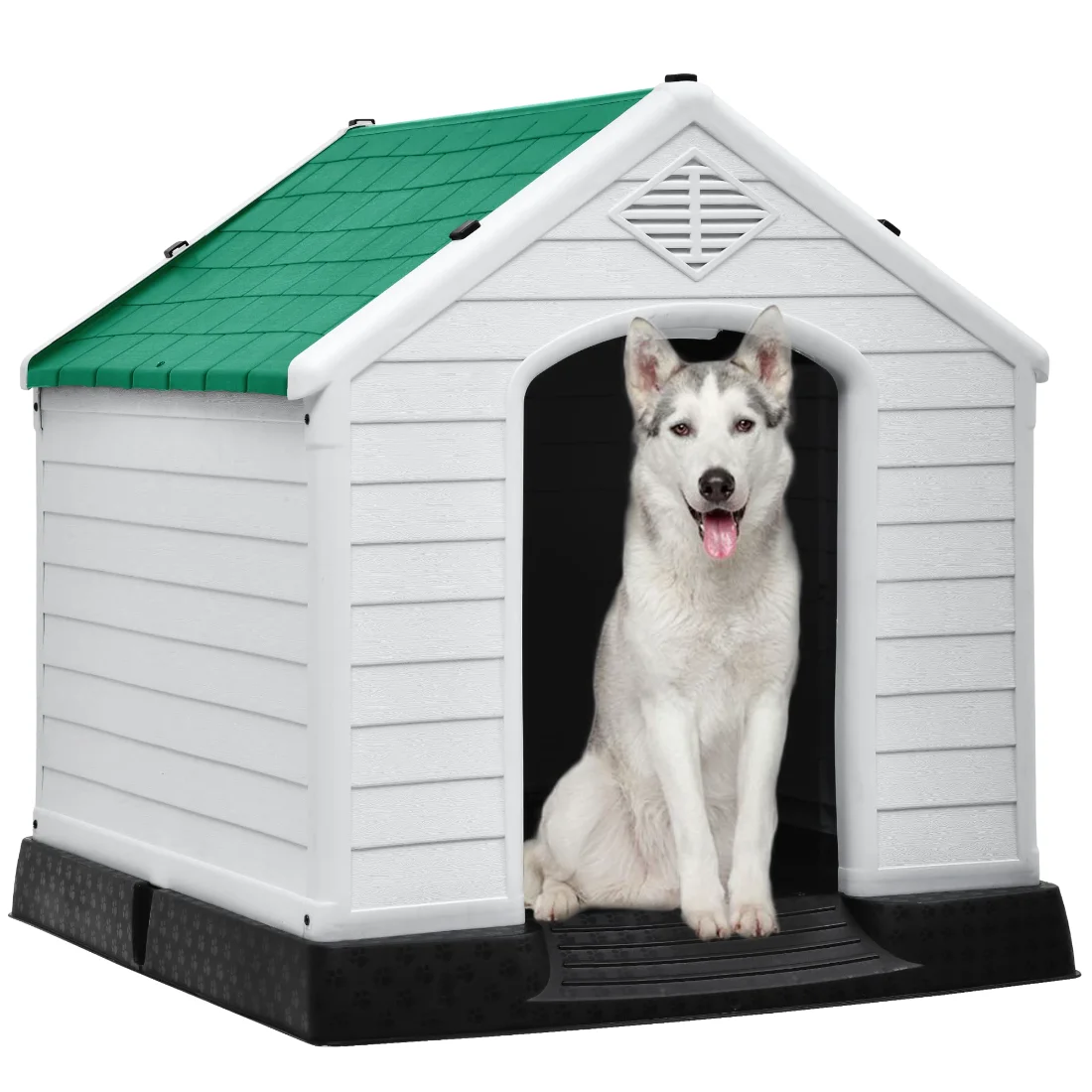
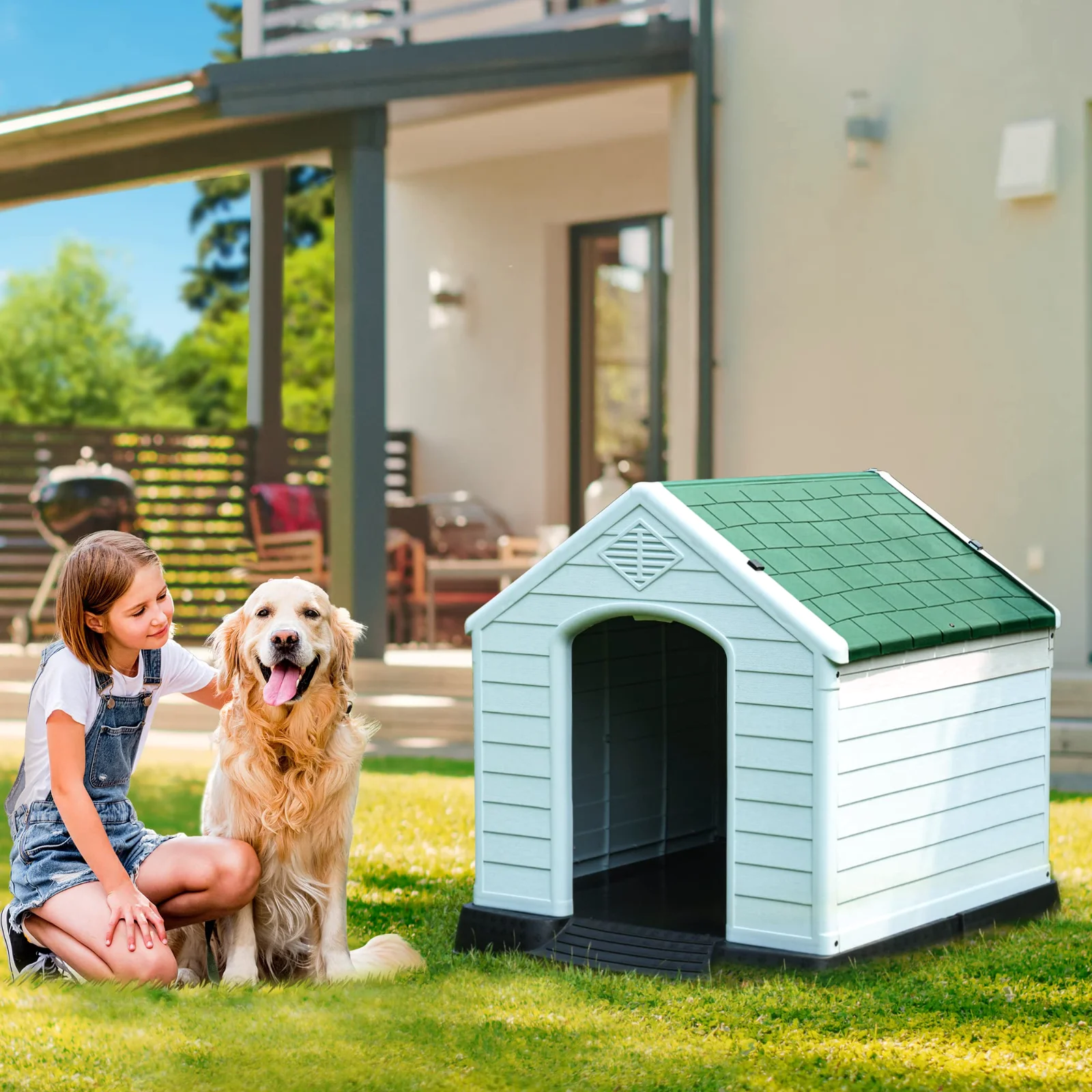
Pet furniture that reads as furniture: sturdy panels, latching doors and a top that earns its floor space.
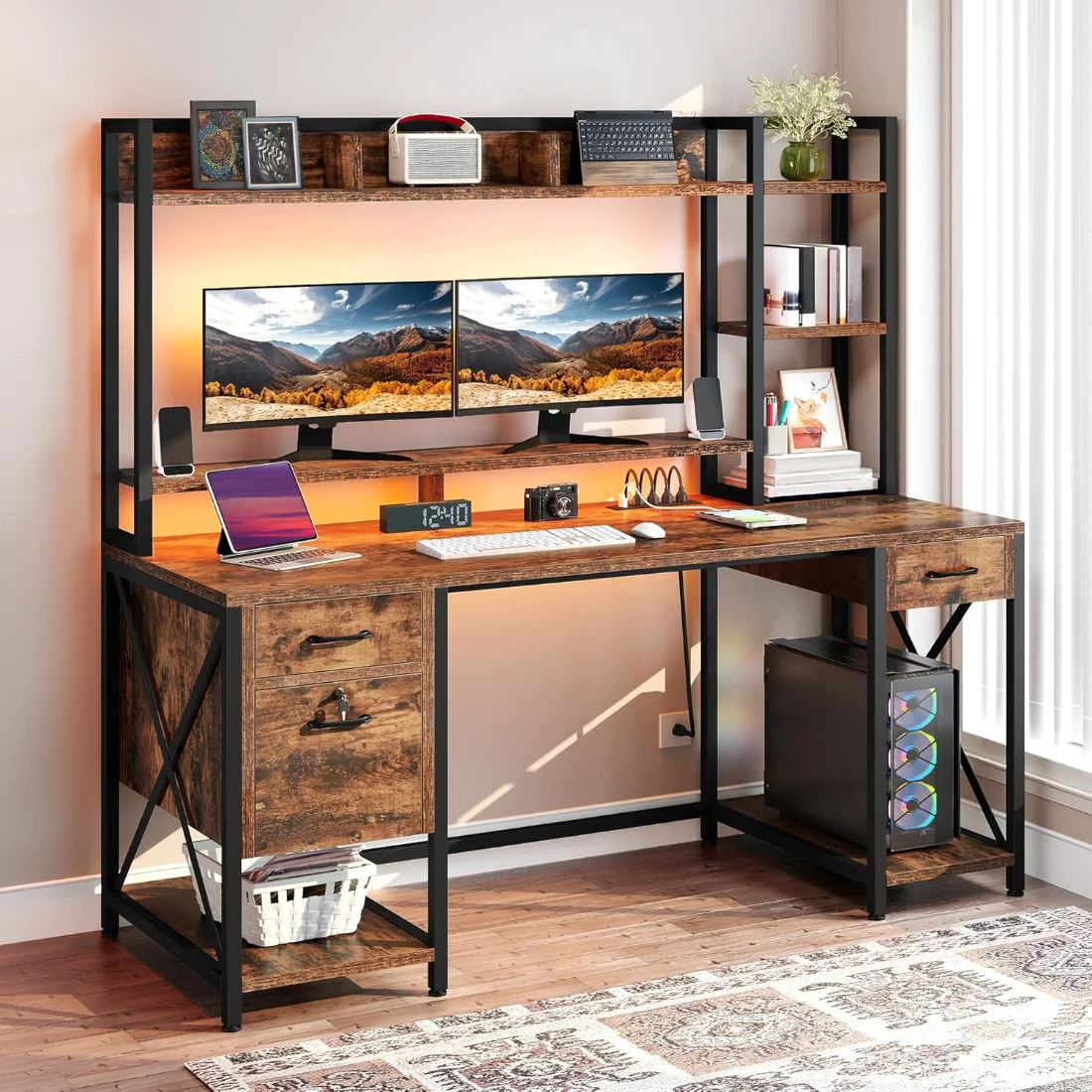
A workday-sized top with storage where the cables and files actually go, assembled in an evening.

Pet furniture that reads as furniture: sturdy panels, latching doors and a top that earns its floor space.
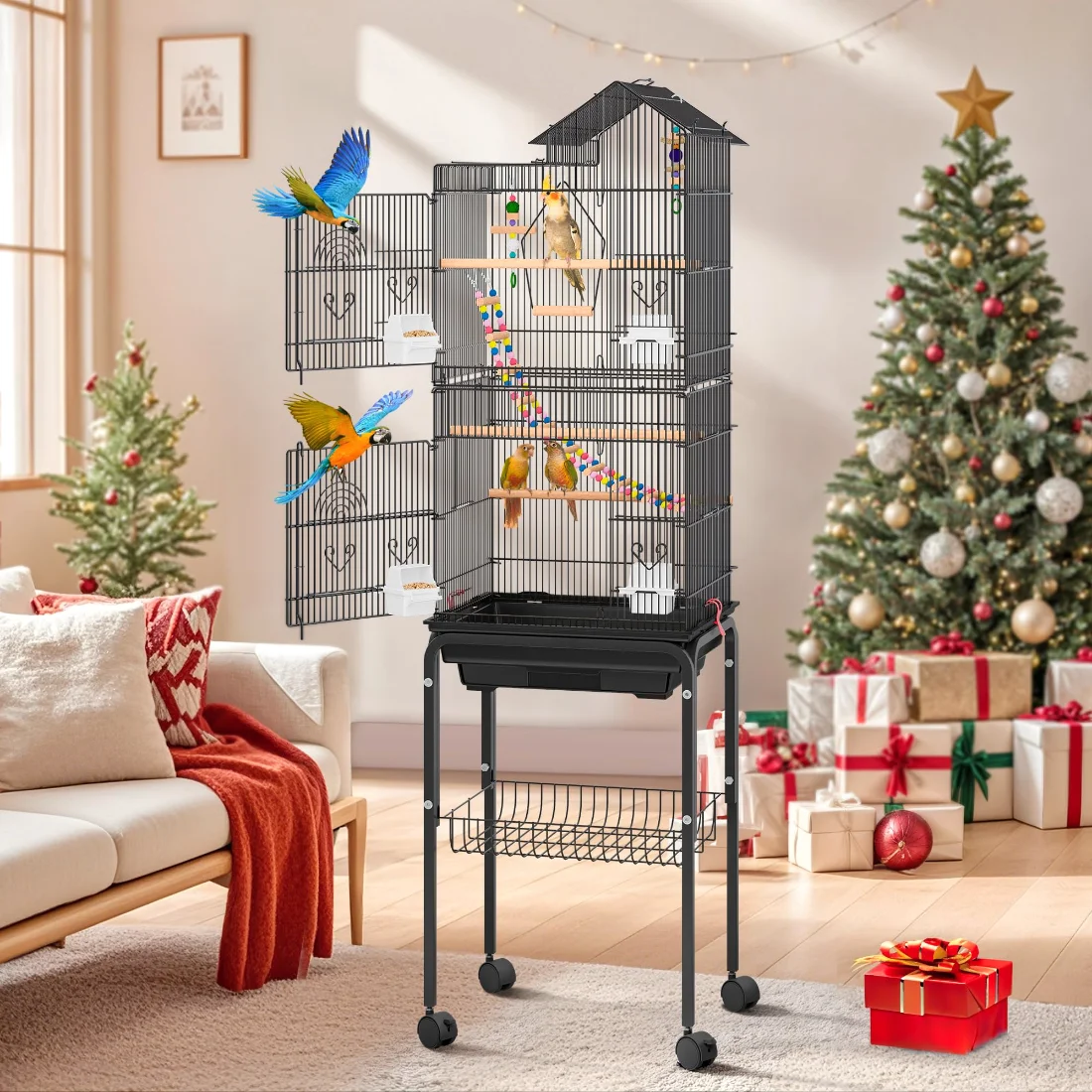
A tall wrought-metal aviary with rolling casters and doors sized for two hands and a perch.
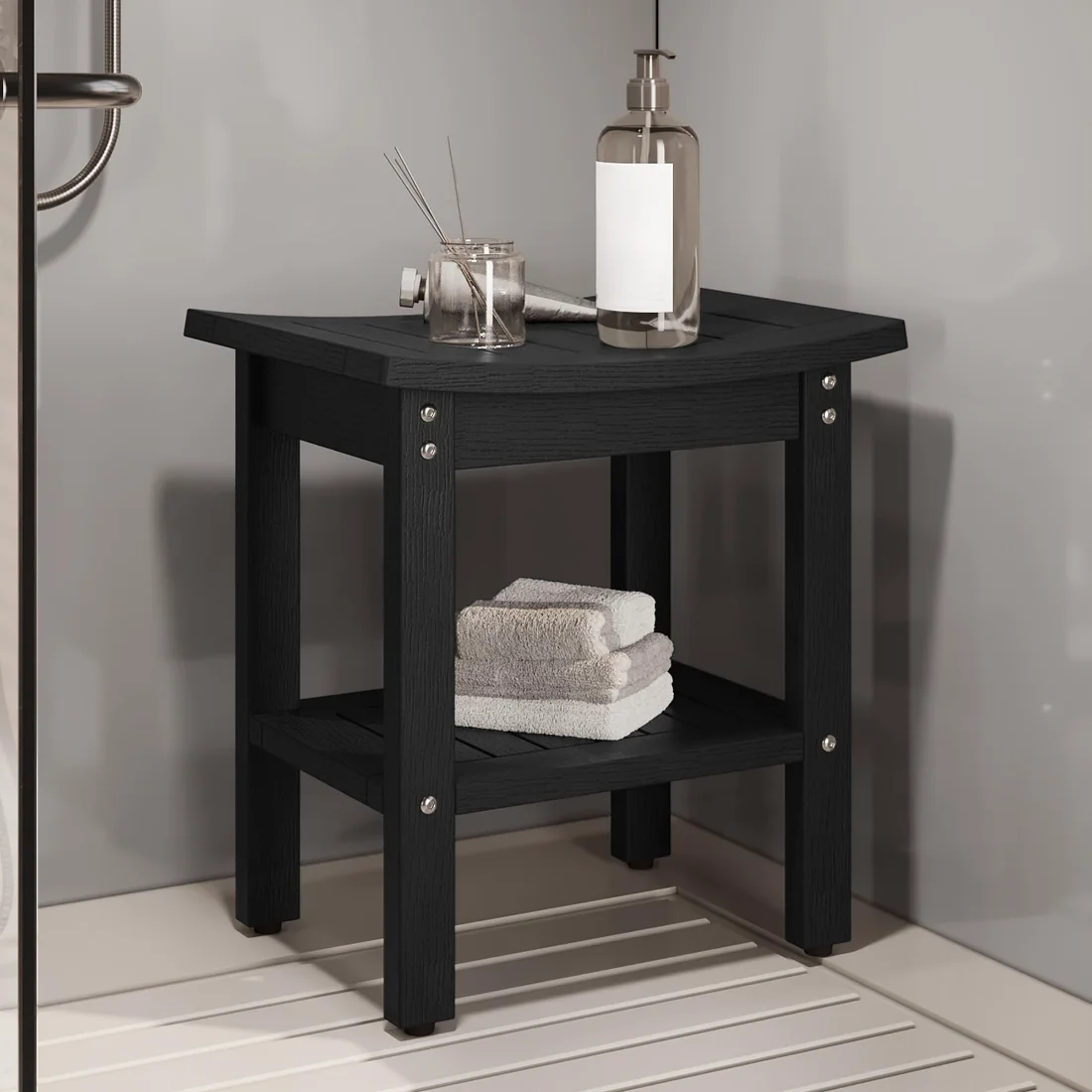
Waterproof poly lumber that lives in the wet zone: no rust, no rot, no fuss.
A workday-sized top with storage where the cables and files actually go, assembled in an evening.
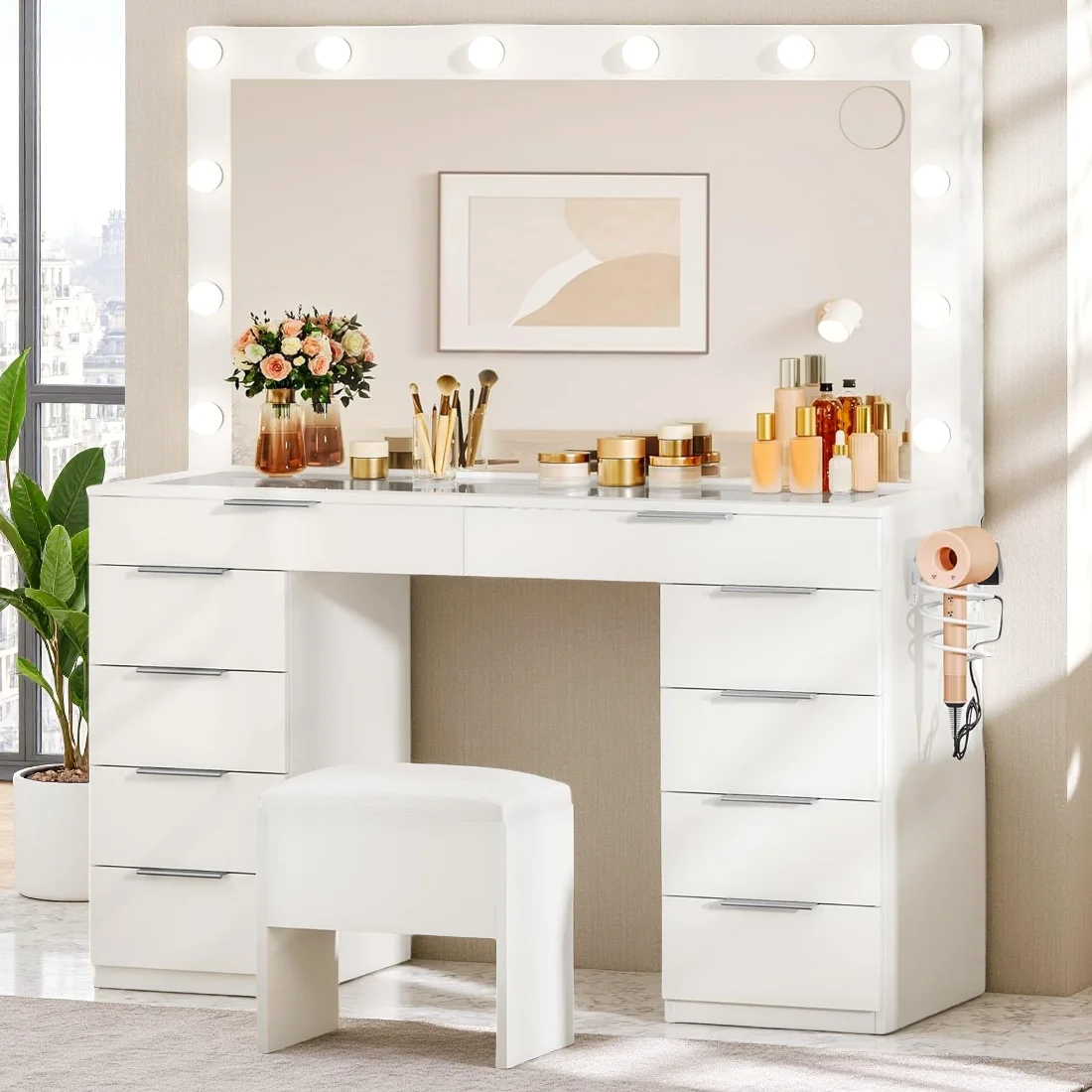
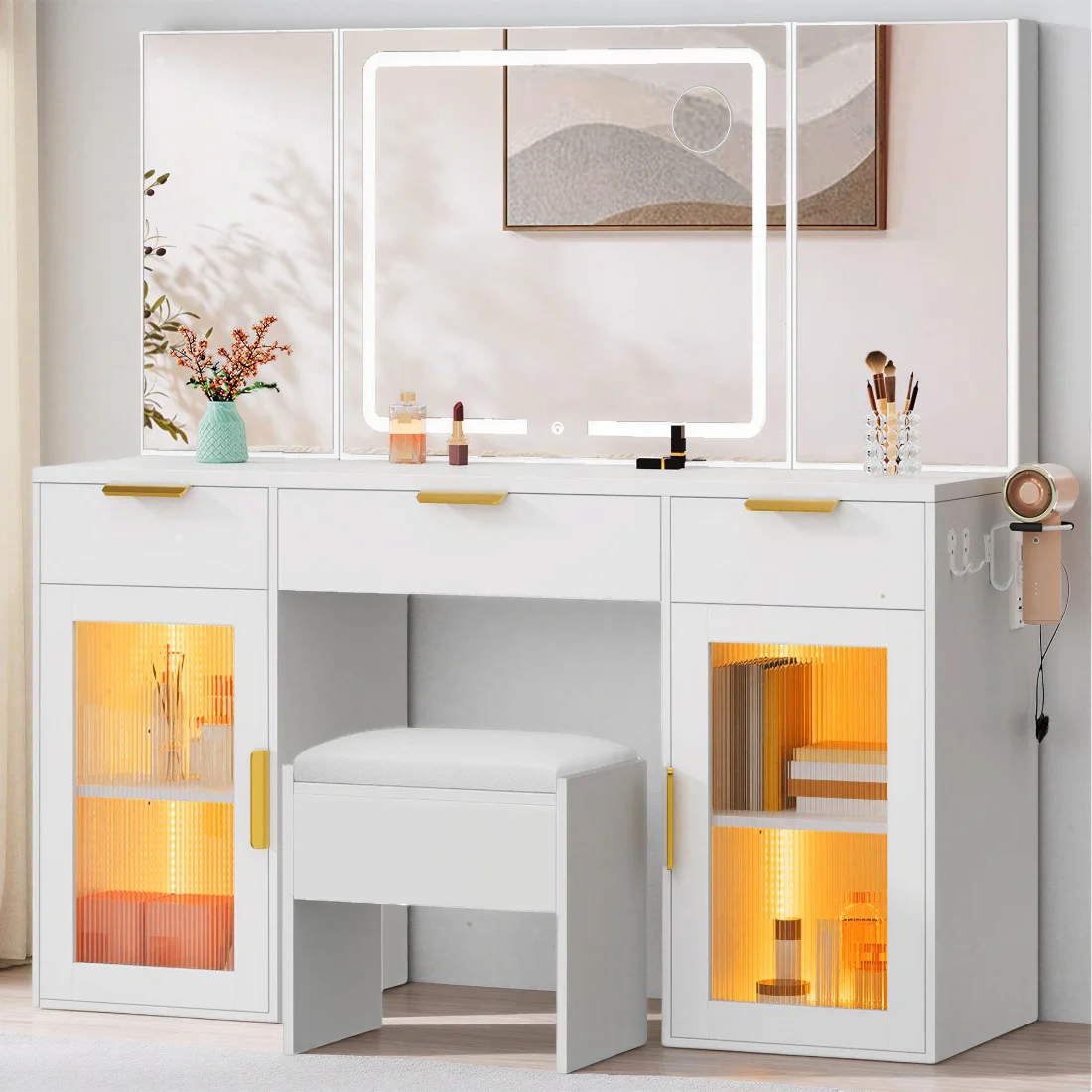
A lit, mirrored workstation with drawers that sort what mornings scatter.
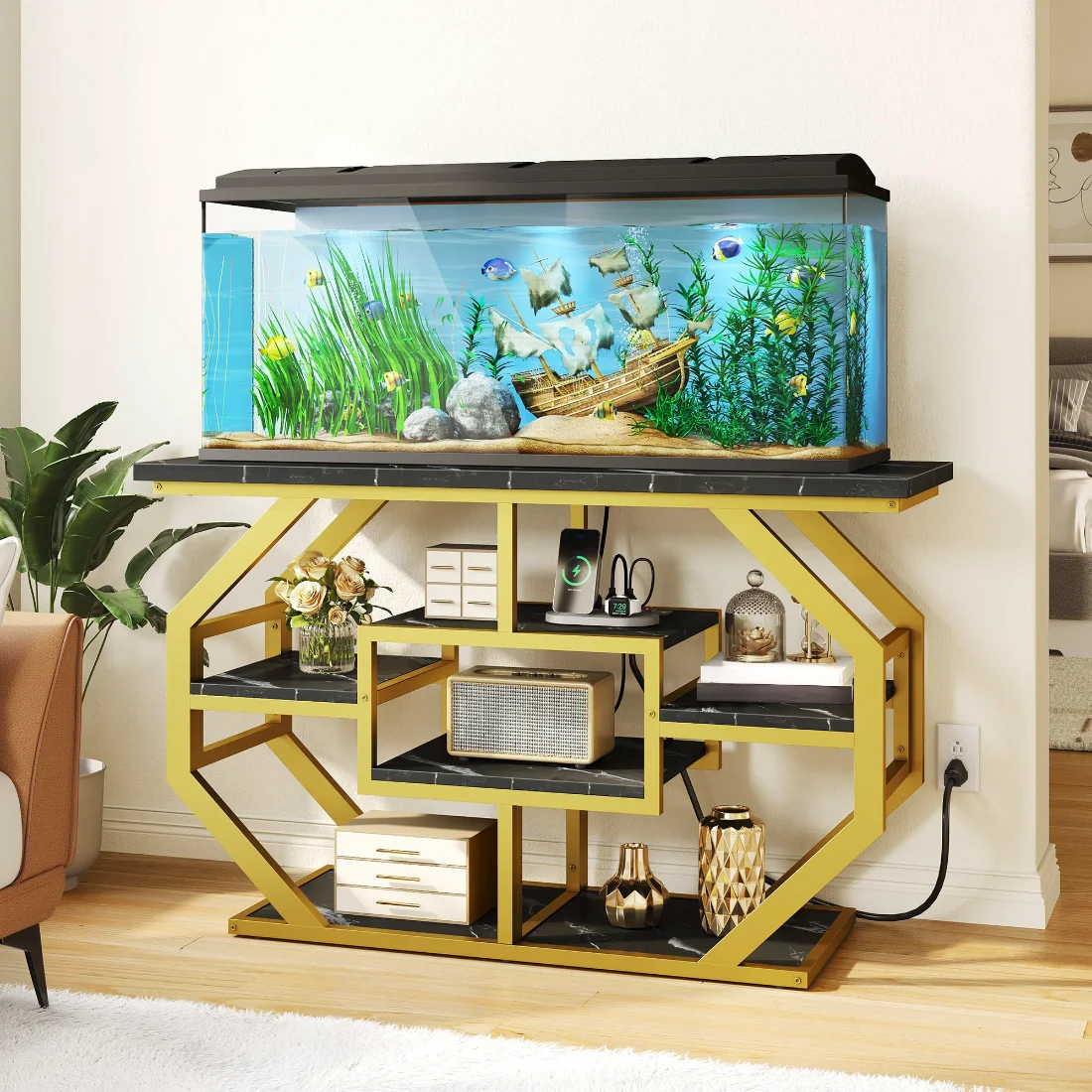
A cabinet rated for the honest weight of a full tank, with power routed where pumps plug in.

The slim pre-lit tree that works both holiday shifts, remote in hand, hinged for a fast raise.
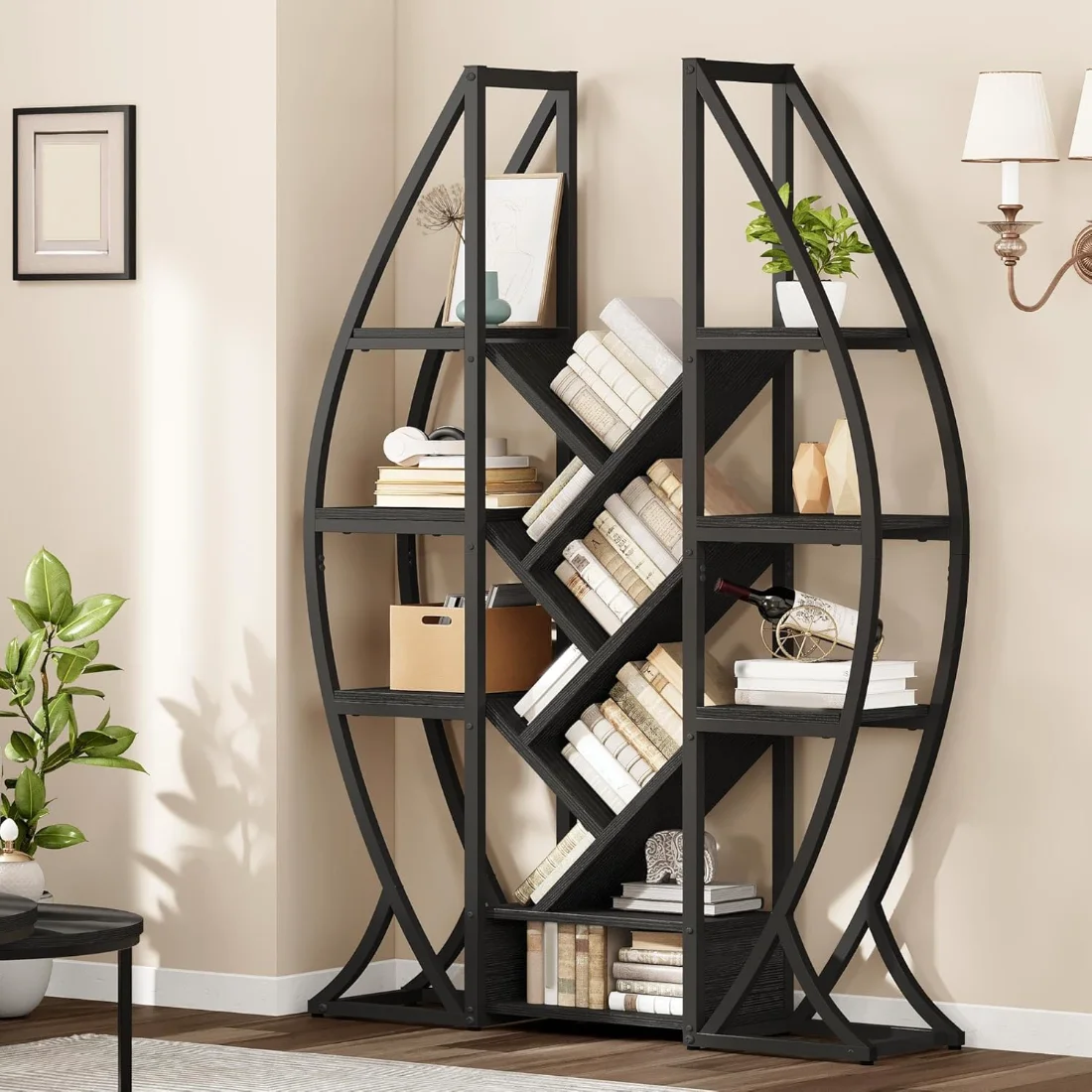
Five open shelves of vertical storage with the anchor kit in the box, because tall furniture gets anchored.

A workday-sized top with storage where the cables and files actually go, assembled in an evening.

Pet furniture that reads as furniture: sturdy panels, latching doors and a top that earns its floor space.
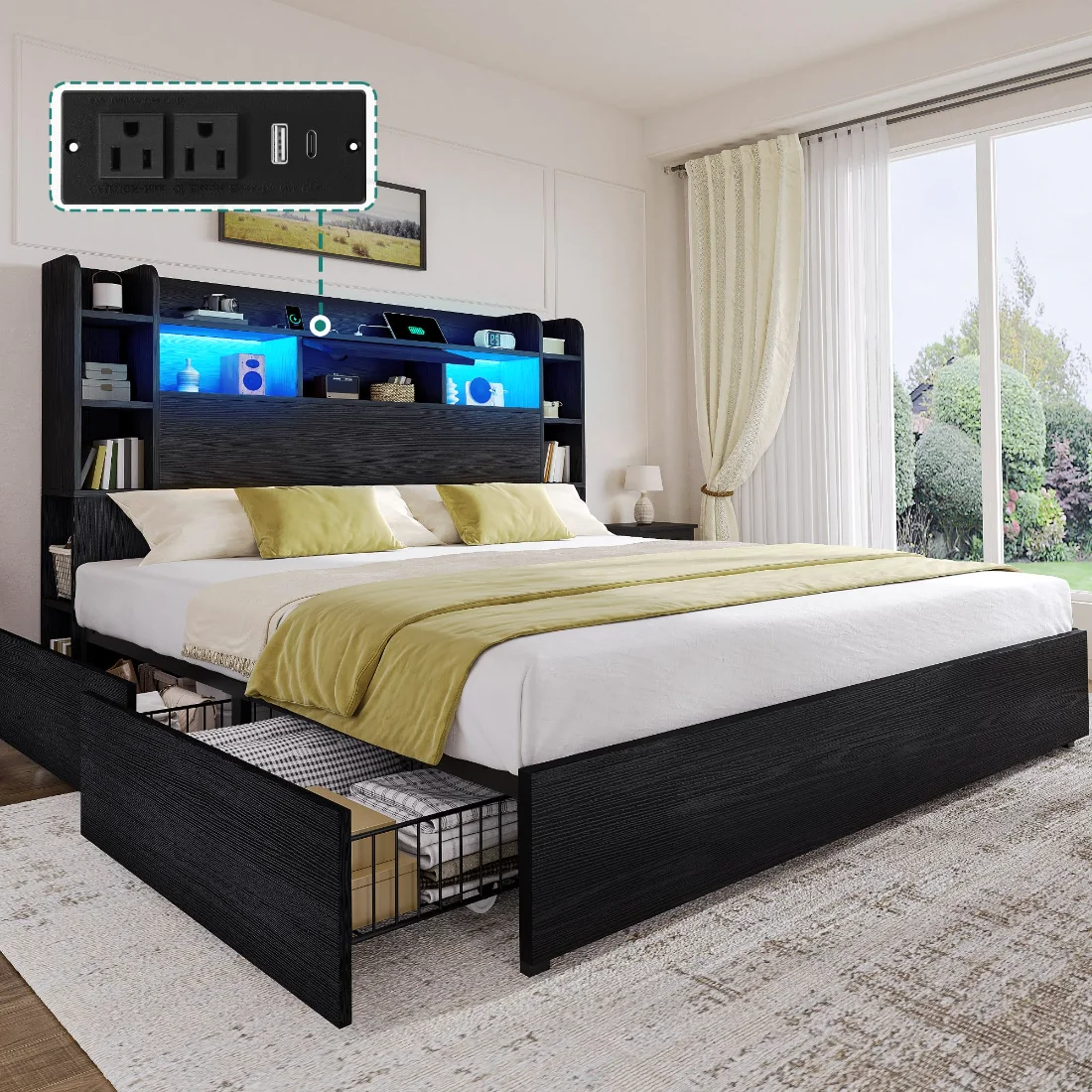
A platform frame with storage built into the space beds usually waste, no box spring required.
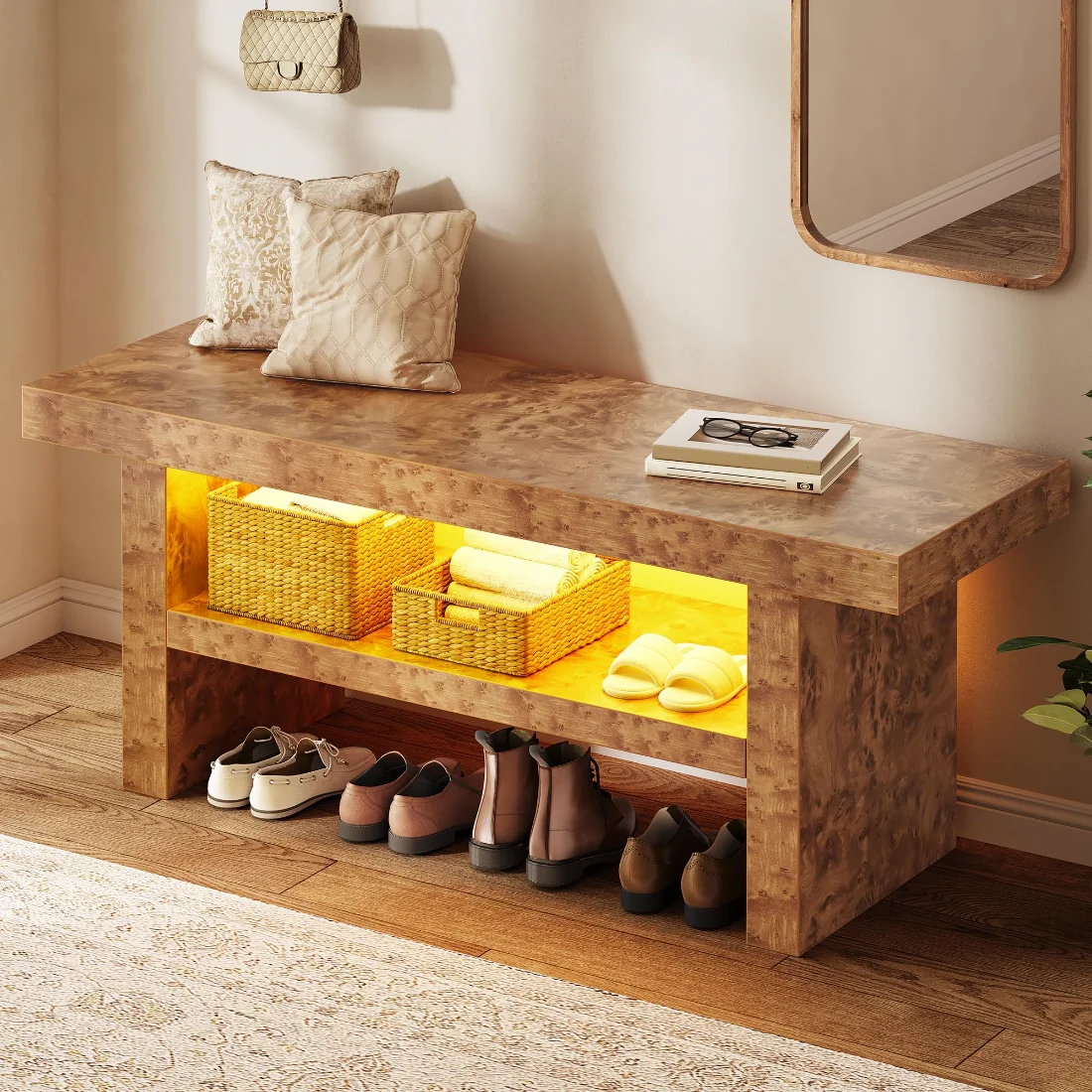
The entryway sorted: seats, hooks and flip drawers that swallow the shoes the doorway collects.
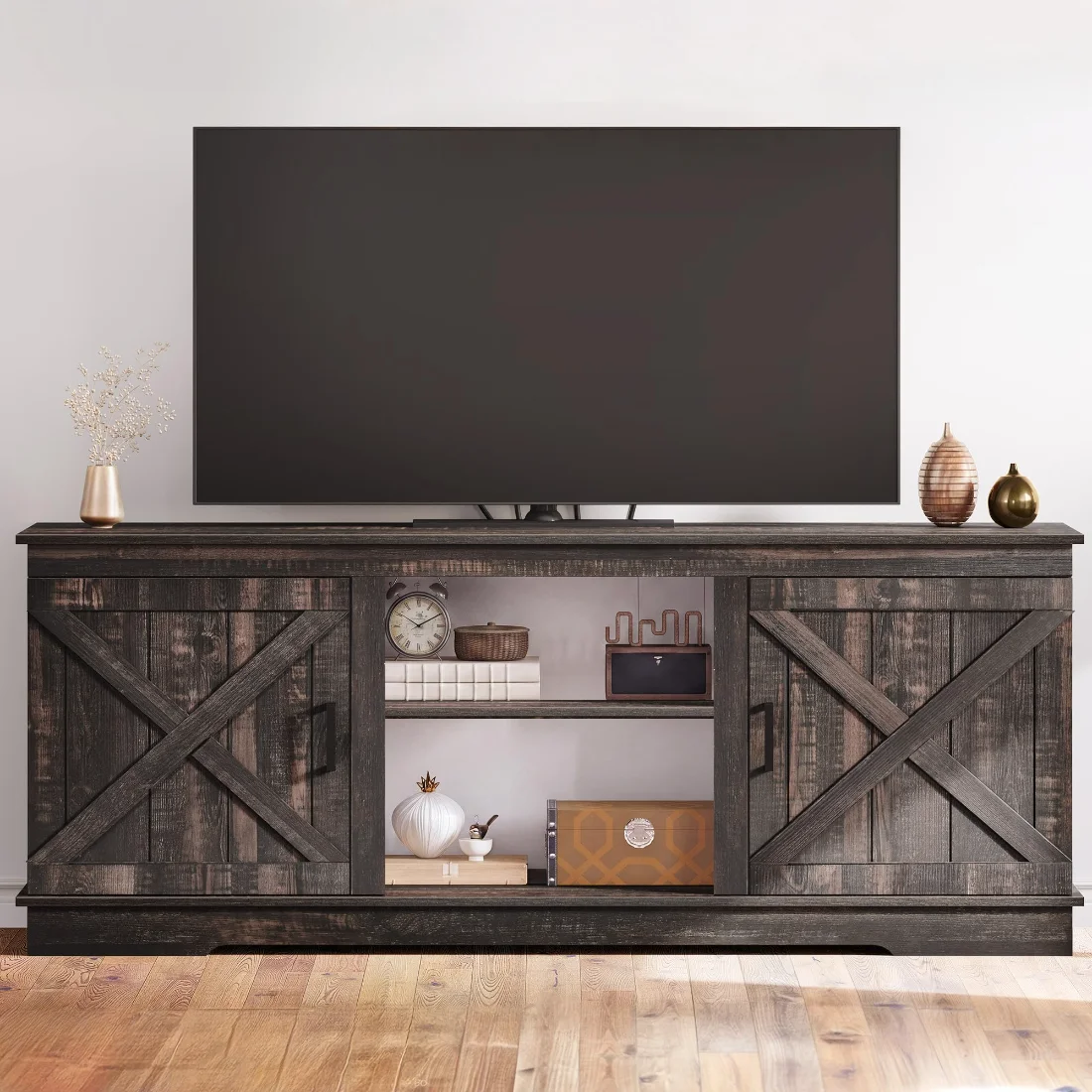
A media console with real cable routing, closed storage and a top rated for the screen in the name.
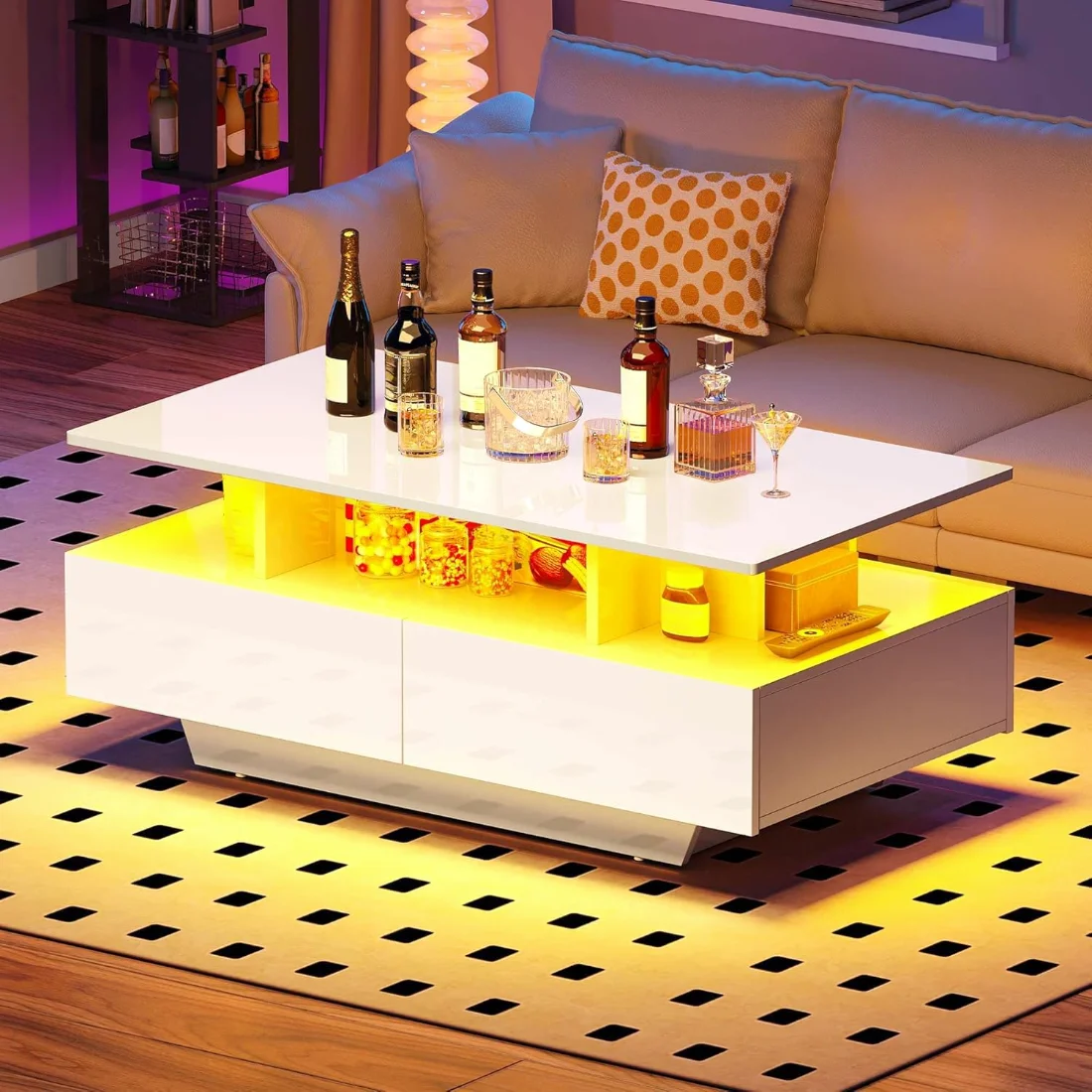
The living room's working surface: drawers for remotes, a top for feet and mugs, and light where it helps.
The crew
We would rather introduce the work than decorate the page with faces, so here is the crew the way the building actually splits: six benches, each owning one promise the lot makes. No staged portraits; the alternative to honesty here is stock photography of strangers, and that is not a team.
Sheds, gazebos, frames
Owns everything with a roofline: load cases, panel fits, the door sill a wheelbarrow crosses. If a shed goes up in an afternoon and stays plumb through March, this bench did its job.
Deck boxes, cabinets, bins
Thinks in gallons and lid cycles. Decides where a wall doubles, where a hinge is metal, and how a lid drains so cushions come out in June smelling like cushions.
Desks, frames, consoles
Builds the indoor half: the drawer slides, the cable holes where cables actually run, and the anchor kit that ships in every tall box because tip-over is not a detail.
Radiators, pumps, mirrors
Lives in fitment tables. A cooling part is right only for the exact years and engines in its name, so this bench answers to the vehicle first and the catalog second.
Every sentence on this site
Writes what you are reading, keeps the figures tied to our last update, and takes a wrong number personally. When a review and a spec disagree, this bench chases down which one is lying.
Reviews, spares, fixes
Reads the field reports, keeps spare hardware moving, and feeds the recurring complaints back to the bench that can delete them from the next run.
Certification
Certification marks sell, and that is exactly why we are careful with them. Our rule is simple: a claim appears here only when the product's own documentation states it, and where we cannot show the paper, the badge stays off the page. That costs us some shine and buys the rest of the page its credibility.
RULES
The categories we build in are governed by public rules, and we build to clear them: the federal stability rule for clothing storage furniture that took effect in September 2023, and the safety instructions that anchoring campaigns exist to enforce. Where a zone touches one of those rules, the page links the public body that publishes it, with the date we read the page.
PAPERS
Every structure ships with its own assembly instructions, load figures and care sheet, and those documents outrank this website. If a spec matters to your purchase, the sheet in the box and the figures on the product's own page are the record. We repeat them here rather than replace them.
CLAIMS
You will not find a laboratory badge, a tested-by seal, or a certificate number on this site that we cannot back with a document. If a claim like that ever appears on a card, treat it as our error and tell us, and that correction will outrank the sale.
LIMITS
A load rating describes the piece under its maker test, not every use a yard can invent. A shed rated for snow still wants anchoring, a bench-strength lid is not a ladder, and a radiator matched to the wrong engine year is scrap. The rating is a boundary, and the instructions draw it.
Zone 08
The lot does not stop at the lawn. DWVO also builds the working end of the driveway: direct-fit aluminum radiators and fuel pumps for the model years named on each card, towing mirrors wired for the factory harness, a workbench rated for real load, and the hoop the driveway votes for.
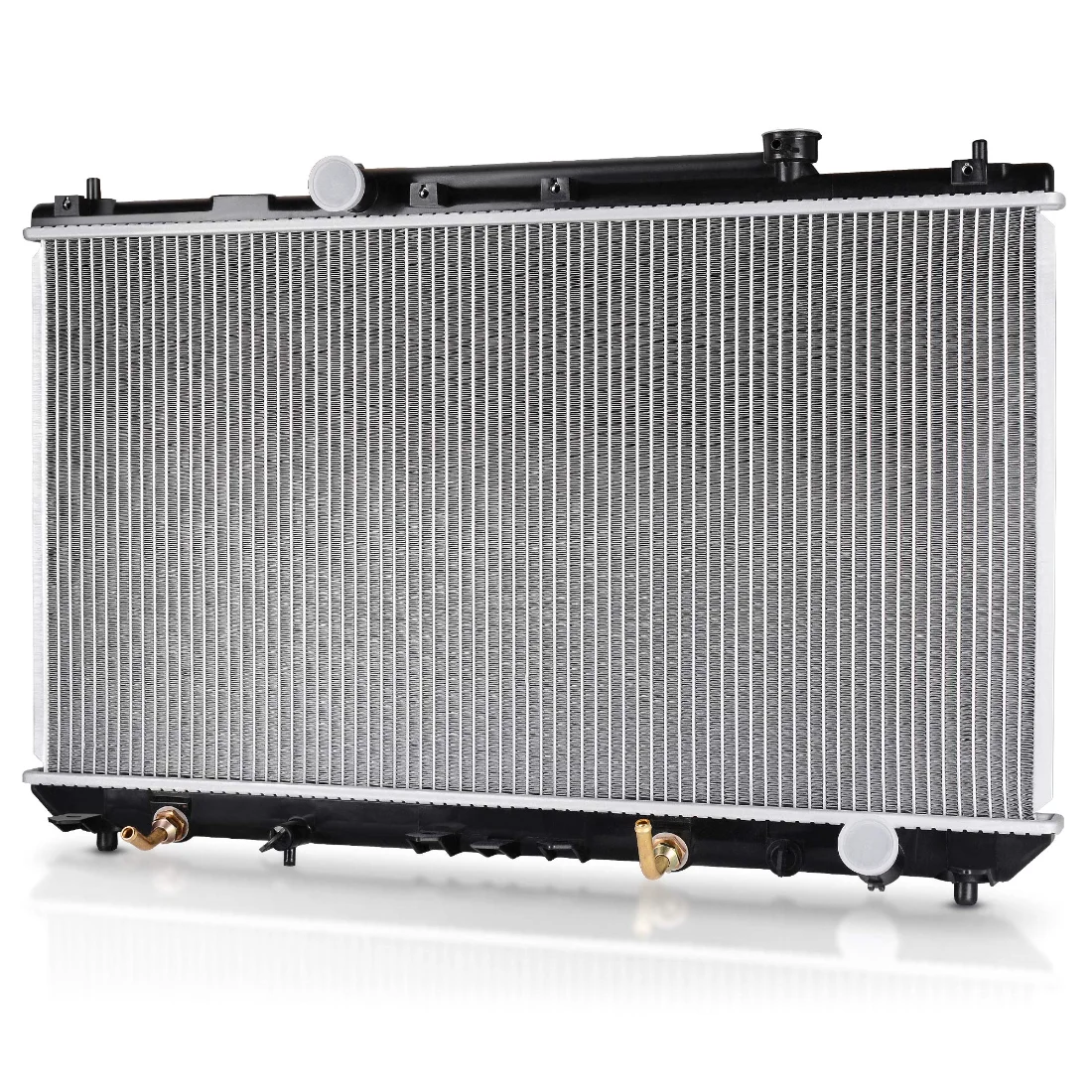
A direct-fit aluminum radiator for the exact model years in the name, pressure-tested before it ships.
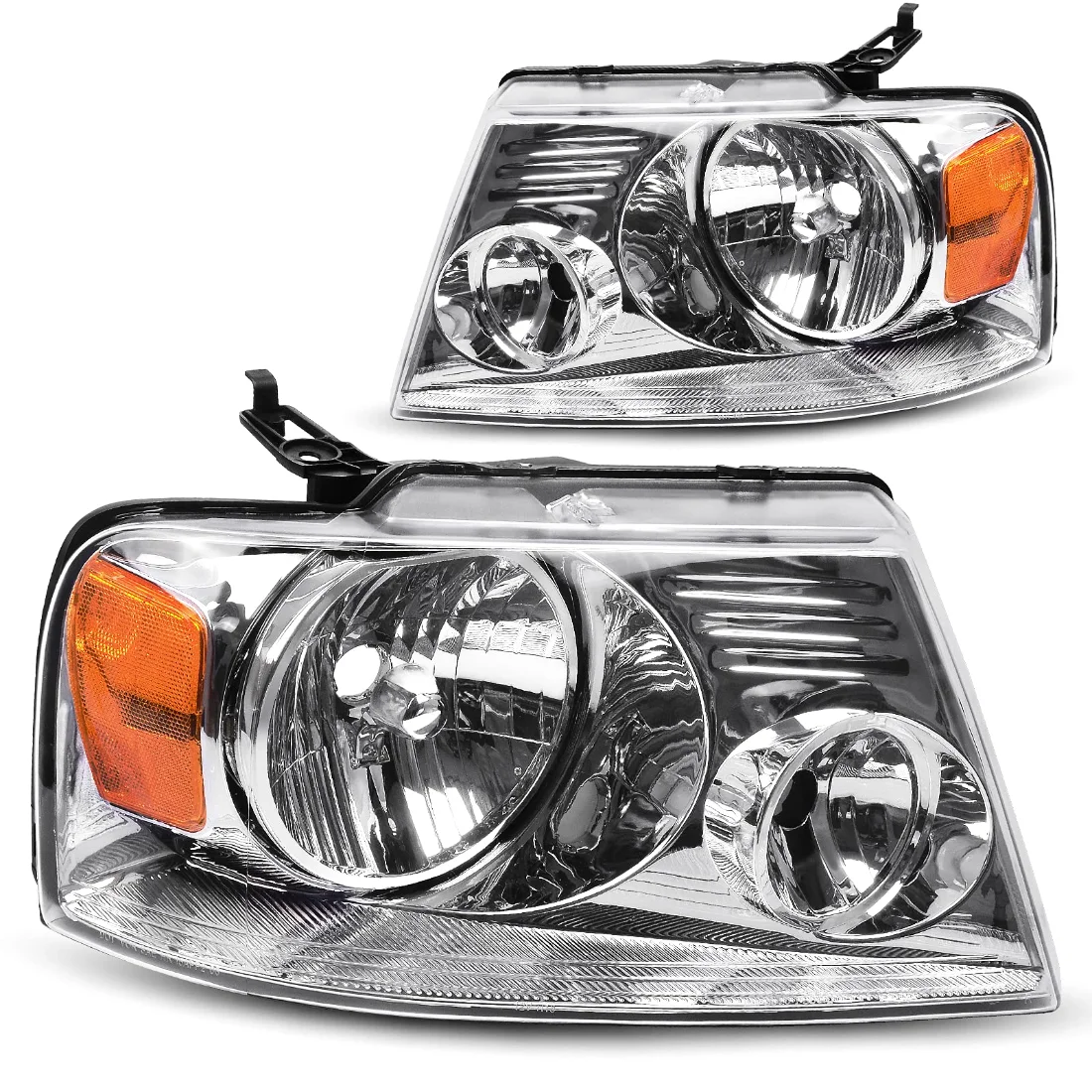
A direct-replacement headlight assembly for the exact trucks in the name, aimed and sealed.
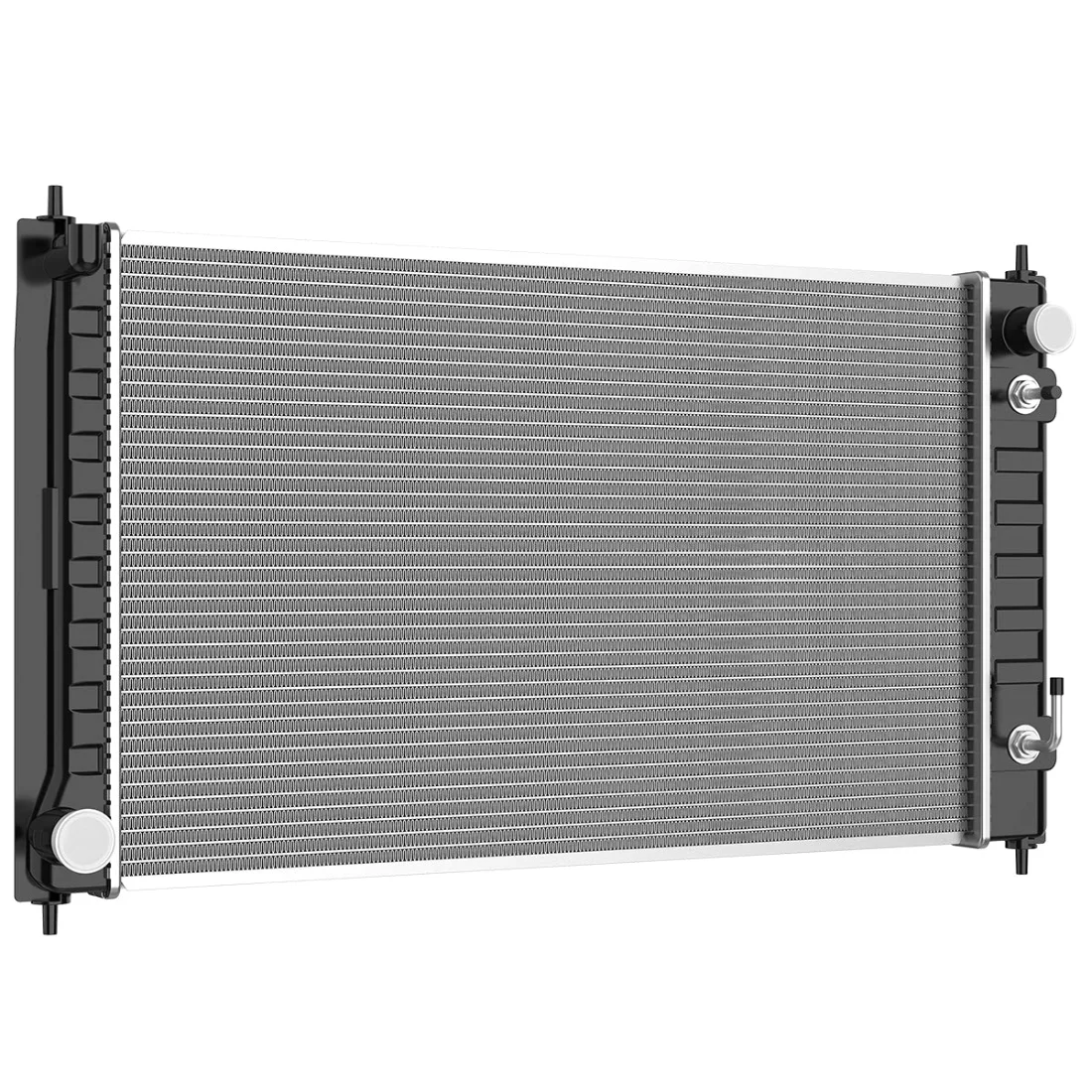
A direct-fit aluminum radiator for the exact model years in the name, pressure-tested before it ships.
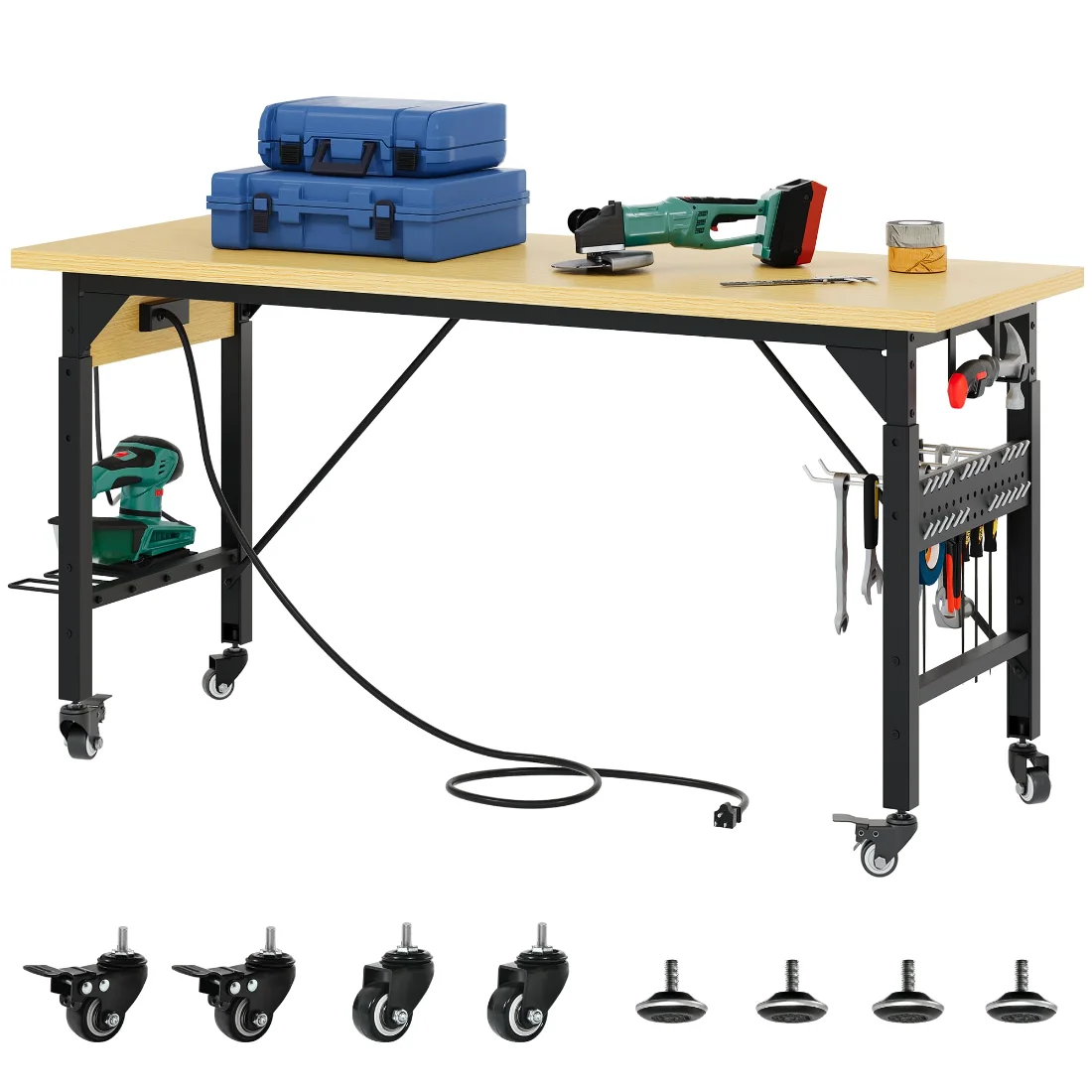
A rolling steel bench rated for real load, with pegboard, light and a top that takes hammer blows.
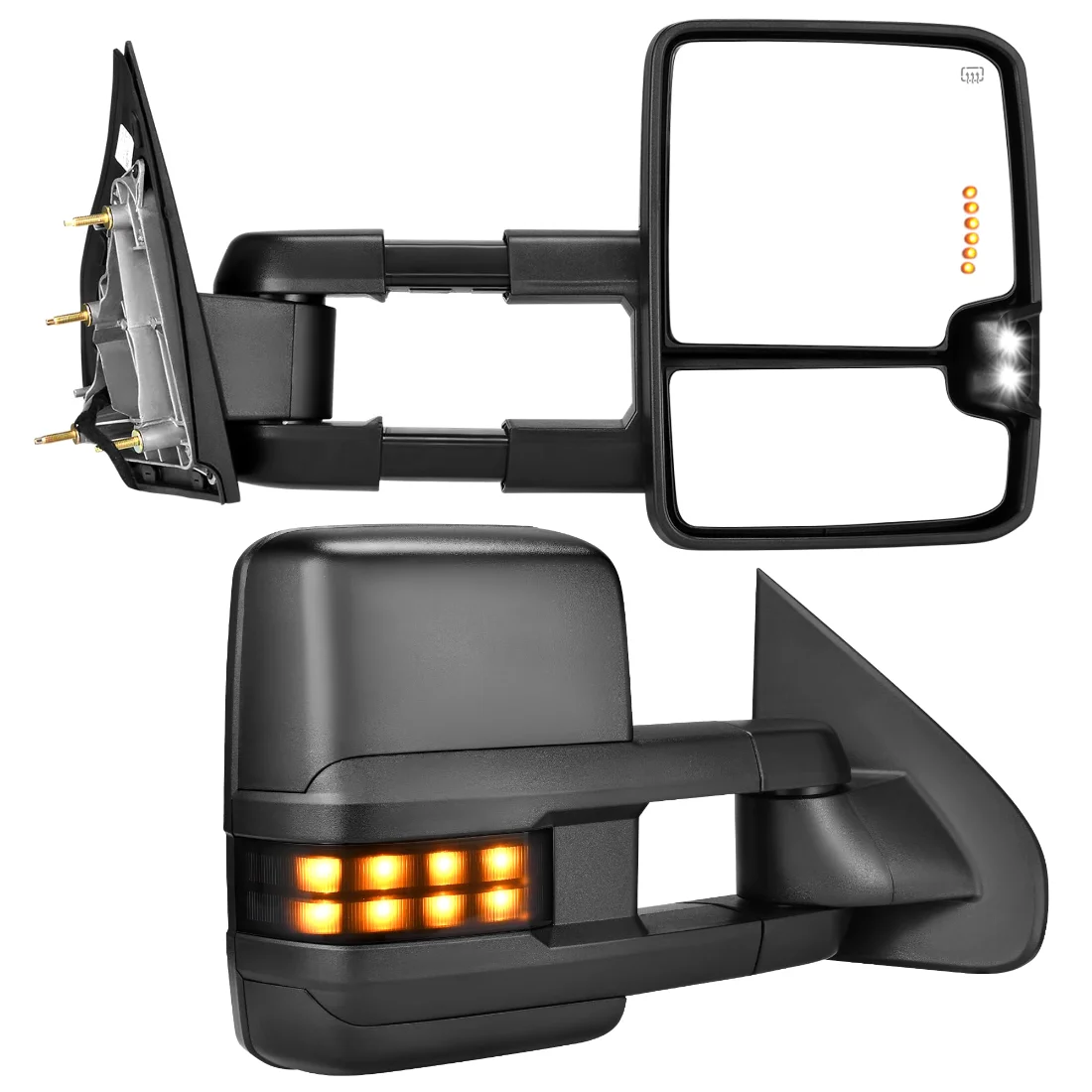
Tow-ready mirrors with the wide, stable view a trailer demands, wired for the factory harness.
Fitment first: a radiator or pump is right only for the exact years and engines in its name. Check the vehicle before the card, and when the two disagree, believe the vehicle.
Field reports
A shed that swallowed the mower and the bikes, a canopy that held through a gusty cookout, a cart that kept the ice till midnight. Owners in their own words, four-star reports included.
This is such a great product! It's a very well made item. All the pieces were in the box, which is a big plus. The instructions were very clear and easy to understand (I'm 68 years old). It only took one person to put it together.
k m
United States · June 8, 2026
This pergola is amazing. Solid metal with a solid metal roof, pricey but well worth the money. Its super sturdy and wasnt that difficult to assemble. It took two of us about two hours to assemble.
Chuck Brizzee
United States · August 10, 2025
It required some work to put together. In the end, it was worth the effort as it is well-designed, made of strong materials, and is attractive.
Bettina McCann
United States · November 19, 2024
We are very pleased with this item. It stands taller than we expected however, we are perfectly fine with that. You can see old vs new in our pic & it is quite a big difference for our lanai.
Elsie Walters Collier
United States · February 14, 2026
Not the easiest to put together. I had to use an easy-clamp set up to push out to get the last bolt in. With that said…there is zero wiggle in the frame. They’re light, but not plastic chair light. The materials are sturdy.
Rob
United States · July 15, 2026
I don’t normally leave reviews but I’m this case I’ve made an exception. The quality and workmanship of this table is truly impressive. The table looks like it should cost 5 times what it cost.
Debee A.
United States · May 13, 2026
This ice chest sits on our patio it’s perfect for parties you can clearly see what’s inside because the height is perfect nobody bending over to the floor to see what’s inside the ice box the bottle cap remover is awesome so handy to have that right…
Amy R
United States · July 13, 2025
I purchased this desk to be my dedicated electronics and project workstation. It is fantastic! The desktop has lots of room to work and store stuff. The shelves are perfect for storage but within easy reach.
Badabing
United States · November 11, 2025
Perfect fit for my 2003 Toyota Camry. It arrived with no cracks or damage from shipping, and there were no leaks after installation. All of the hoses fit properly, making the installation straightforward.
Xavinoo
United States · July 10, 2026
About the brand
DWVO is easiest to explain by walking the property it was built for. Start at the back fence, where a resin shed holds the mower, the bikes and the bagged soil that used to colonize the garage. Cross the lawn past a raised bed planted at working height, past the deck box that swallows eight cushions at the first sign of rain, and stop under a hardtop gazebo that went up one August and simply never came down. Step inside the house and the desks, the media console and the pantry cabinet carry the same plain build logic. Finish in the driveway, where a truck runs cool on one of our radiators. That walk is the brand. DWVO builds the working half of the property: the things that are bought once, used hard, and noticed mostly when they fail.
We think of that as a single job, not eight product lines, and it explains the range better than any category tree. A household does not experience storage, shade and seating as separate industries. It experiences one continuous problem: stuff needs to be dry, people need to be comfortable, food needs to stay cold, the vehicle needs to run, and none of it should demand a weekend of maintenance per month. So the lot grew the way a property does, one working corner at a time, until the map looked like this.
| Zone | What we build there | What it replaces |
|---|---|---|
| The back fence | Storage sheds, resin and steel | The garage as a junk drawer |
| The deck | Deck boxes from door-side to driveway scale | Cushions wintering in the living room |
| Over the table | Hardtop gazebos, pop-up canopies, party tents | Lunch at noon with no shade |
| The lawn edge | Patio seating that stays out | Furniture carried in at every forecast |
| The garden | Raised beds and grill carts at working height | Kneeling on tired ground |
| The cookout | Rolling coolers with real insulation | Bagged ice that quits by dusk |
| Indoors | Desks, consoles, pantries, bed frames | Flat-pack pieces that wobble by spring |
| The driveway | Radiators, fuel pumps, towing mirrors | A week of the truck off the road |
The build philosophy behind all of it fits in three sentences. Design against the enemy first: water, sun, load, heat, and the human habit of sitting on anything at bench height. Spend the money where failure lives, so hinges are metal, walls double where lids seat, and steel is coated before assembly rather than painted after. Then stop: no feature that exists for the brochure, no gauge upgrade that changes the spec sheet but not the piece.
That last sentence is where the price line comes from, and it is worth being direct about. Our pieces are usually not the cheapest card in a search, because a single-wall box with plastic hinges will always undercut a double-wall box with metal ones. They are also rarely the most expensive, because past a certain gauge the extra money buys warranty theater rather than strength. The middle of the market is not a compromise for us; it is the target. It is where a shed can be priced like an appliance and built like a structure.
Honesty about what we are extends to how this site works. The lot you see on the front page is a selection, not the whole catalog: the most-reviewed piece of each product family, zone by zone, so the page shows what thousands of buyers actually chose rather than what we feel like promoting. Every figure beside a card comes from our last update, and one page, linked in the footer, says when that was. Ratings are quoted by family pool and counted once, because a number repeated across eight colorways is still one number. When a piece goes out of stock, its card leaves the page at the next rebuild instead of hanging around unpriced. None of this is complicated. It is just the difference between a catalog and a billboard.
The same goes for the words. Product descriptions on this site are written from the piece's own specification and from what the field reports keep saying, not from a mood board. Where a card names a measurement, the measurement came from the sheet in the box. Where the writing touches safety, which storage, shade, coolers and tall furniture all eventually do, it leans on the public bodies that publish the actual guidance, and every one of those pages is linked with the date we read it. A brand that builds sheds has no business improvising heat-safety advice, and this one does not.
People sometimes ask what a radiator is doing in a catalog full of gazebos, and the honest answer is that the property does not end at the lawn. The same buyer who anchors a shed in October is under a hood in March. Cooling parts are the most exacting zone we build in, because fitment is binary: a radiator matched to the exact years and engines in its name either fits or it is scrap. That discipline turned out to be good for the rest of the lot. A company that lives with fitment tables learns to write specifications carefully, and careful specification is most of what separates furniture that survives a family from furniture that merely survives shipping.
What should you do with all this? Use the lot plan at the top of the page the way you would walk a real lot. Start at the zone where your property currently leaks time or space: the garage that has become an archive, the table that bakes at noon, the cushions with no address. Read the cards, and read the figure lines under them, which are terse on purpose. If a guide exists for the decision you are making, the journal has it, written long because the decision deserves it. And when a piece arrives, read the sheet in the box before this website, because that sheet is the document that governs the piece.
The brand promise, stated once and plainly: DWVO builds for the working half of the property, prices for the middle of the market, and writes its pages from specifications and field reports rather than adjectives. If a piece of ours ever fails that sentence, the contact page is one click away, and the correction will outrank the sale.
The journal
What to store where, how to put real shade over a table, and how a cookout keeps its cold. The safety figures come from the bodies that publish them, with the date beside each one.
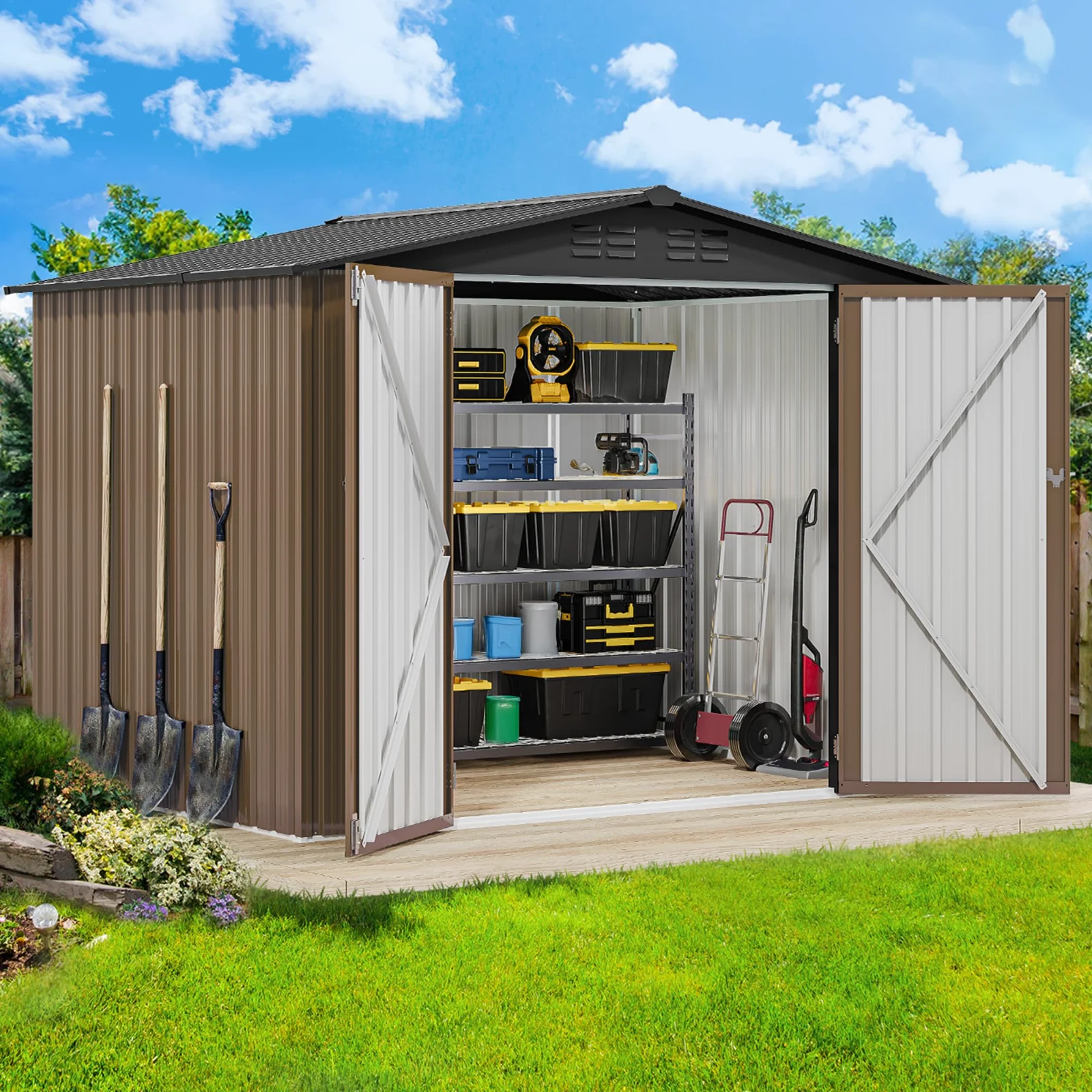
Storage, by the gallon
The garage did not fill itself. It filled one reasonable decision at a time, and here is the whole payment plan: the audit, the gallon math, resin against steel, the base, the anchors, and the loading order that keeps a shed organized past August.
Read the guide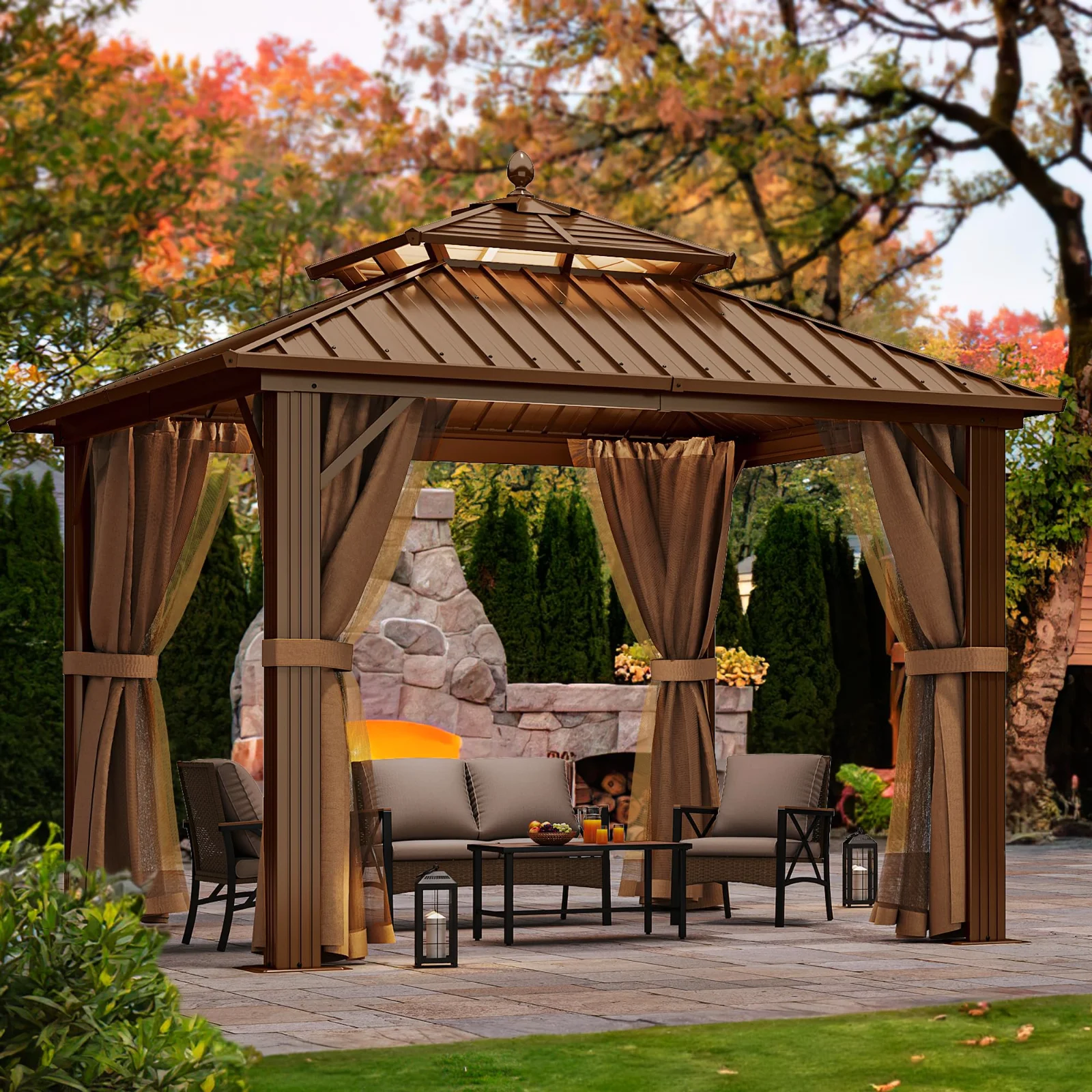
Engineered shade
Shade is the yard’s climate control, and the three roofs we build answer three different questions. How to size by the activity instead of the furniture, what wind really tests, and the seasonal rhythm that keeps fabric alive.
Read the guideCold, on wheels
Cold is the invisible supply line of every cookout. What the federal guidance actually says, how a cooler physically works, the two-cooler rule, the ice math, and the serving-table clock that separates leftovers from regrets.
Read the guidePlain-purpose note. DWVO builds structures and furniture; nothing on this page is medical advice, and the heat and food-safety guidance we quote links to the public bodies that publish it, with the date we read each page. Assembly instructions in the box outrank anything written here.
